LEOPARD’S LEAP | Culinaria Collection | Grand Vin | 2019
cabernet sauvignon | merlot | malbec | petit verdot | cabernet franc

 © We will be evaluating wines in no particular order on no particular schedule. Just stay tuned and you will never miss our reviews. If the wine is tasted more than once, the rating table will be updated so as to reflect all the new impressions and observations. We hope you will enjoy it!

Leopard’s Leap Family Vineyards is a distinguished winery located in the picturesque Franschhoek Valley of South Africa. Founded with the vision to blend the culinary arts with winemaking, Leopard’s Leap offers wine tastings accompanied by delightful food pairings. The winery’s principles hinge on innovation, quality, and sustainability, striving to produce premium wines while promoting responsible viticulture practices. Today we are going to review a quite interesting wine from the Franschhoek Valley, which is one of South Africa‘s rare gems in Western Cape – Culinaria Collection Grand Vin 2019 by Leopard’s Leap. This wine is a textbook Bordeaux-styled blend made of five grape varieties: cabernet sauvignon (52%), merlot (28%), malbec (12%), petit verdot (5%), and cabernet franc (3%), where cabernet sauvignon forms the wine’s main body and structure, merlot adds up-front richness, malbec builds a more refined mid-palate, petit verdot offers a a more dynamic finish and enhances the wine’s color depth, while cabernet franc enhances the wine’s aromatic profile with notes of red fruits and delicate dusty hints, thus delivering extra complexity to the final blend.
The grapes for this wine are sourced from unirrigated bush-vines in the Darling, Botriver, Franschhoek and Stellenbosch areas, where well-drained soil and cool, south-facing slopes, unexposed to direct afternoon sunlight, create ideal growing conditions for a prolonged growing season. Growing against slopes facing the False Bay, the grapes are also exposed to the cool sea breeze that contributes to a longer ripening period, allowing for the development of complex flavours in the berries.
Each variety is harvested separately at optimal ripeness, then fermented individually in temperature-controlled tanks at between 25°C and 27°C. After fermentation the grapes were pressed and malolactic fermentation was completed in small oak barrels. The wine is then aged for a period between 16 to 18 months in small 225-litre French oak barriques, from which 40% in first-fill barrels, and the remainder 60% in second- and third-fill barrels, in order to enhance the overall complexity and depth of flavors, with additional bottle ageing time (at least 3 months) before it was deemed ready for the market release.

The Franschhoek Valley boasts a mediterranean climate, characterized by warm and dry summers that are moderated by the cooling influence of nearby mountains. The predominant soil type in this area is decomposed granite, which promotes excellent drainage and provides minerality to the grapes. This unique micro-terroir allows for the cultivation of high-quality grapes, resulting in rich and complex wines.
The Stellenbosch area is renowned for its unique terroir, which plays a pivotal role in crafting world-class wines. The soils here are predominantly composed of decomposed granite and clay, which provides excellent drainage while retaining essential nutrients that are vital for healthy grapevine growth. Stellenbosch also enjoys a mediterranean climate, marked by warm sunny days and cool nights. This diurnal temperature range helps preserve the natural acidity in the grapes, essential for producing balanced wines, while facilitating a prolonged ripening season. This slow maturation process allows the grapes to develop complex flavors and reach optimal phenolic ripeness.
While often compared to Bordeaux due to similarities in climate and soil composition, Stellenbosch stands apart thanks to its geographical location. Nestled between rugged mountains and the cooling influence of the nearby ocean, the region benefits from a dynamic interplay of airflows, both warm and cold. These elements impart distinctive characteristics to the grapes, resulting in wines that are rich, vibrant, and complex – a hallmark that sets Stellenbosch apart from its french counterpart.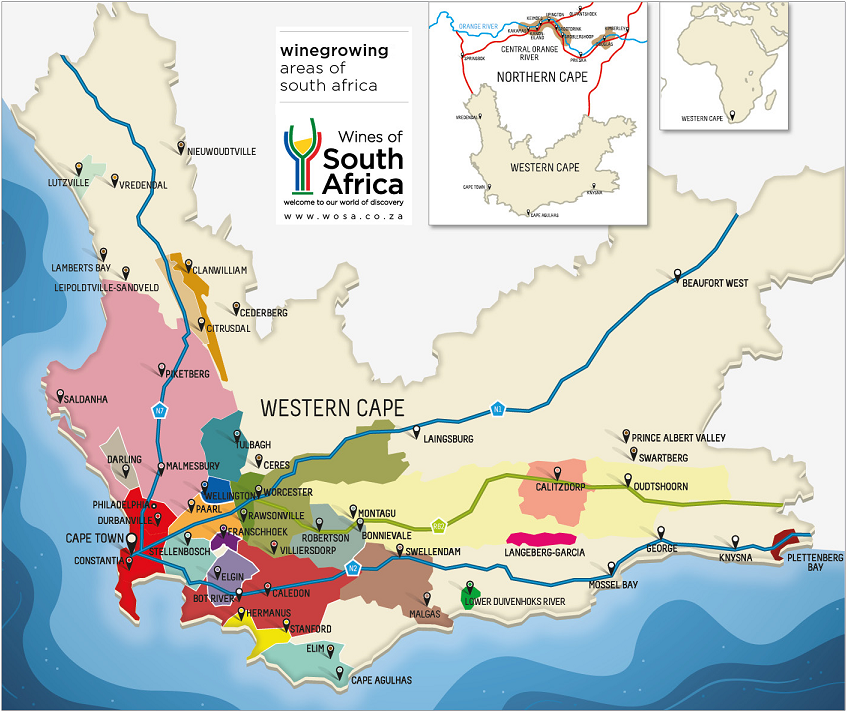

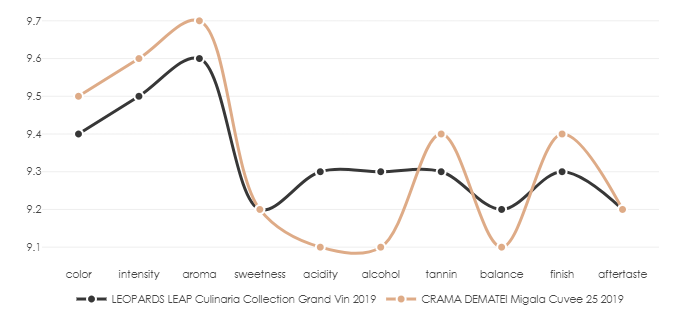
color: medium-deep ruby color
clarity: hazy garnet shades at the rim
In the glass, this wine presents a medium-deep ruby color adorned with hazy garnet shades at the rim, inviting to explore its depths.

intensity: rich & expressive
fruit character: ripe & dehydrated
On the nose, the wine is rich and expressive, revealing a ripe to dried fruit character. The first aromatic layer reveals aromas of dark cherries, red plums, blackberries, and redcurrants, complemented by hints of dried cranberries and oak-derived nuances, such as tobacco, cloves, and toasted oakwood. In the background, notes of nutmeg, anise, and subtle earthiness emerge, enhanced by delicate touches of iodine and iron that hints at the wine’s place of origin.

sweetness: dry | acidity: high | alcohol: medium+ | tannin: medium+ | balance: good
finish: medium | aftertaste: crisp
On the palate, the wine reveals a round, ample, and voluptuous character. The wine feels distinctly dry, with crisp acidity, a well-integrated touch of alcoholic warmth, and ripe tannins. The mouthfeel is well-structured, forming a crisp aftertaste with a seedy texture, echoing the wine’s old-world styling.

maturity: close to its prime | drink now or in the next 2 to 3 years
verdict: fine | highly recommended | a wine of premium quality
Overall, this is a wine that has almost reached the summit of its prime form and is currently in an excellent drinking window. It can be enjoyed today or within the next 2 to 3 years, with further development expected to enhance its tertiary traits. Today, the wine showcases a harmonious balance between all its elements, encompassing the essence of classic Bordeaux-blend without overpowering flamboyance or expressivity, managing to highlight the subtlety of the Western Cape‘s delicate terroir.
LEOPARD’S LEAP | Culinaria Collection | Grand Vin | 2019
variety: cabernet sauvignon | merlot | malbec | petit verdot | cabernet franc
country: South Africa | Western Cape
region: Darling | Botriver | Franschhoek | Stellenbosch
rating: 93.3

For an optimal tasting experience, consider pairing this wine with classic rare steaks or game meat. The wine’s rich and round texture will complement beautifully the juicy flavors of these dishes, creating a delightful harmony that would enhance both, the food richness and the wine’s harmony.

Leopard’s Leap is not just about wine – it’s a family-centric destination that invites guests to enjoy the beauty of the Franschhoek Valley while tasting exquisite wins paired with delightful dishes – all with a local accent.


 © The WineStatistics ratings are based solely on our own knowledge of the world of wine and on our personal wine tastes, which may, or may not, differ from yours – the reader. Just remember that there are no absolutes of right and wrong in wine appreciation. Cheers!
Make a one-time donation
Make a monthly donation
Make a yearly donation
Choose an amount
Or enter a custom amount
WineStatistics is a non-profit community. We produce independent and highly detailed wine reviews.
By training ourselves to stop, take a breath, and pay attention to the subtle elements that distinguish one wine from any other, we learn an important lesson about life – that it’s worth taking the time to slow down and appreciate things that pleases us, from a glass of wine to a great work of art. It’s a simple way to learn to appreciate the little things in life that may in some small way enhance our enjoyment of every day.
In order to continue our work we need support from people like you. People who appreciate our contribution in spreading wine knowledge and raising wine awareness across the borders.
You may now support us by contributing with a one-time donation so that we can review even more wines.
WineStatistics is a non-profit community. We produce independent and highly detailed wine reviews.
By training ourselves to stop, take a breath, and pay attention to the subtle elements that distinguish one wine from any other, we learn an important lesson about life – that it’s worth taking the time to slow down and appreciate things that pleases us, from a glass of wine to a great work of art. It’s a simple way to learn to appreciate the little things in life that may in some small way enhance our enjoyment of every day.
In order to continue our work we need support from people like you. People who appreciate our contribution in spreading wine knowledge and raising wine awareness across the borders.
You may now support us by contributing with a monthly donation so that we can review even more wines.
WineStatistics is a non-profit community. We produce independent and highly detailed wine reviews.
By training ourselves to stop, take a breath, and pay attention to the subtle elements that distinguish one wine from any other, we learn an important lesson about life – that it’s worth taking the time to slow down and appreciate things that pleases us, from a glass of wine to a great work of art. It’s a simple way to learn to appreciate the little things in life that may in some small way enhance our enjoyment of every day.
In order to continue our work we need support from people like you. People who appreciate our contribution in spreading wine knowledge and raising wine awareness across the borders.
You may now support us by contributing with a yearly donation so that we can review even more wines.
 WineStatistics