PRUNOTTO | Bansella | Nizza | 2021
barbera

 © We will be evaluating wines in no particular order on no particular schedule. Just stay tuned and you will never miss our reviews. If the wine is tasted more than once, the rating table will be updated so as to reflect all the new impressions and observations. We hope you will enjoy it!

Producing wines for more than a century, Prunotto is one of northern Italy’s most famous wineries. Nestled in Alba, in the heart of Langhe (Piemonte), halfway between the famous Barbaresco and Barolo, the Prunotto vineyards stretch throughout Langhe and Roero. Today the winery is under the patronage of the famous Antinori family – a name synonymous with Italian winemaking excellence, who continue to uphold the winery’s legacy and local traditions while also embracing winemaking innovation.
Today we are going to review a single-varietal barbera wine from its homeland, the famous Piemonte wine region in northern Italy – Bansella Nizza 2021 by Prunotto. Barbera is one of Italy’s most important grape varieties and the beloved sibling of the mighty nebbiolo, that produces the famous Barolo and Barbaresco wines. Unlike nebbiolo, barbera wines are known for their deep ruby color, vibrant acidity, and silky tannins, making them approachable while still young. The grape has been cultivated in Italy for centuries, with historical references dating back to the 13th century, and it thrives in a range of terroirs, especially suited for hilly sites, rich in clay or silt-based soils.
While barbera doesn’t command the same prestige as nebbiolo, modern viticulture and winemaking have elevated its reputation, oak aging for example, adds depth and structure to its naturally juicy, cherry-driven profile. Though not as overtly terroir-expressive as nebbiolo, barbera is still capable to reflect its place of origin, with bright acidity and lean mouthfeel in cooler sites, and rich character with voluptuous palate in warmer vineyards.
This particular wine comes from the the esteemed Nizza DOCG and is made with 100% barbera grapes. This appellation, nestled in the Monferrato Astiano area, is considered to be the optimal terroir and the footprint of the barbera grape variety. In order to preserve those delicate varietal characteristics of the barbera grapes, the wine has been aged for 12 months in small oak barriques (only second and third fill), allowing it to develop greater complexity while maintaining vibrancy and savouriness.

The Piedmont (or Piemonte) wine region, situated in north-west of Italy, at the foothills of the Alps, is one of the most famous wine regions, renowned for its noble red wines and deep-rooted traditions. The region features a continental climate with cold winters, warm summers, and frequent fog (especially in the Langhe and Monferrato areas), which contributes to slow and even grape ripening. Its hilly terrain, diverse exposures, and calcareous marl and clay soils create ideal conditions for high-quality grape growing. Piedmont is home to the famous nebbiolo – the grape behind the iconic Barolo and Barbaresco wines, known for their tannic structure and complex, earthy depth. The region also excels with barbera and dolcetto, which are raising in popularity with each passing season. This region is also the birthplace of Moscato d’Asti – a lightly sparkling sweet wine that conquered hearts all over the world.
 The Nizza micro-region is recognized as the optimal terroir for the barbera grape variety, and it is distinct from the nebbiolo-dominated marl soils of the nearby Langhe. Here, the soils are predominantly loam and sand, often veined with clay and limestone. This composition contributes to the wine’s vibrant aromas while also maintaining the characteristic freshness that the barbera wines are famous for. The combination of soil structure, exposure, and the significant diurnal temperature variations imparts a unique structure to the wines produced here, making them age worthy and allowing the wines to express both, their inherent fruit expression and a dusty, earthy minerality that not other barbera wines are capable to deliver.

color: deep & opaque ruby color
clarity: hazy ruby shades at the rim
In the glass, the wine presents a deep and opaque ruby color, hinting at its concentration and youth. Towards the rim of the glass, noble ruby shades emerge, adding a touch of elegance to its appearance.

intensity: pronounced, fruity-expressive & dusty
fruit character: ripe & overripe
The olfactory profile is pronounced and fruity-expressive, marked by a distinct dusty accent. The intensity is rich, driven by a ripe to overripe fruit character. The foreground is dominated by a medley of black fruits – dark cherry, black plum, blackberry, blackcurrant, and aronia – beautifully intertwined with earthy nuances of pencil lead, granite, crushed gravel, and that characteristic dusty accent that Nizza wines are famous for. The background reveals layers of spice, (peppercorn, cloves, and nutmeg), mingling with subtle oak-derived notes of tobacco, cloves, and some hints of liquorice. A delicate savory undertone (iron and old leather) adds further sophistication to the already complex aromatic profile.

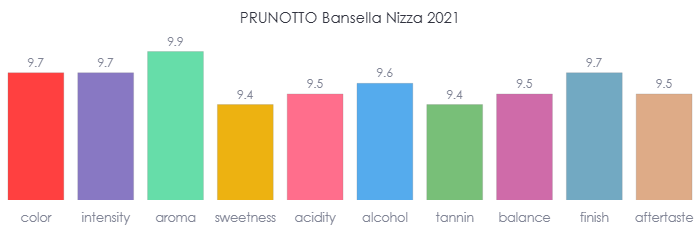
sweetness: dry | acidity: high | alcohol: high | tannin: medium- | balance: fine
finish: lasting | aftertaste: velvety-crisp
On the palate, the wine feels vibrant and crisp, showcasing a pleasantly-seedy texture that creates a velvety and elegant mouthfeel. It feels rich and ample, displaying exceptional structure and amazing balance between all its components. It tastes dry, with the exuberant acidity typical of barbera, providing a lively backbone that lifts the fruit and keeps the palate refreshed. Well-integrated alcoholic warmth adds body and depth without being intrusive, while a ripe and fine-grained tannins offers a firm but smooth grip that contributes significantly to the wine’s structure. The finish is long, leading to a velvety-crisp aftertaste that lingers and delights for quite a while.

maturity: developing | drink now or within the next 3 to 5 years
verdict: great | a benchmark wine | a wine that has all the traits to become legendary
Overall, this is a fruity-expressive barbera wine that captures the true potential of the Nizza terroir. Its expressive and nuanced fruit profile, coupled with that unique dusty-earthy accent, positions it as an epitome of modern the barbera – a successful blend of new-world expressivity and old-world elegance. This wine maintains a remarkable sense of elegance – it feels extremely appealing and delivers a rich and vibrant tasting experience that mixes fruit concentration with subtle terroir-driven hints. The wine is still developing, thus promising a great aging potential. That being said, it is ready to be enjoyed today, or it can be cellared for the next 3 to 5 years to allow further development. The restrained use of oak is particularly commendable, allowing the fruit and those delicate, terroir-driven hints to truly shine.

Given the wine’s vibrant acidity, ample body and earthy undertones, it calls for a dish with complementary richness and flavor depth. Consider a classic piedmontese pairing like Agnolotti del Plin with Sugo d’Arrosto (small pinched pasta filled with roasted meats, served with the drippings from the roast). The wine’s exuberant acidity will cut lovely through the richness of the pasta and the concentrated meat sauce, while its ample body and ripe fruit flavors will harmoniously complement the savory, slow-cooked profile of the dish. The fine-grained tannins would provide structure to stand up to the hearty elements of the dish, creating a synergistic wine tasting experience that would denote the best of Piedmont. Enjoy! PRUNOTTO | Bansella | Nizza | 2021
variety: barbera
country: Italy
region: Piedmont | Nizza
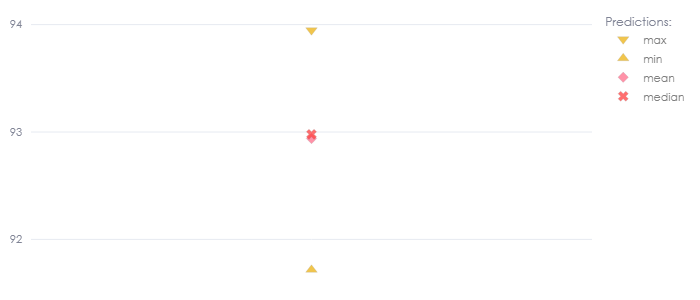
rating: 95.9
The Prunotto winery wasn’t originally named after Alfredo Prunotto. Founded in 1905 as a co-operative winery called Cantina Sociale ‘Ai Vini delle Langhe’, founded in Serralunga’s Town Hall with the youthful Alfredo Prunotto as a witness. It wasn’t until 1922, after the co-op faced financial ruin and liquidation following World War I, that Alfredo Prunotto personally took over the business and renamed it after himself.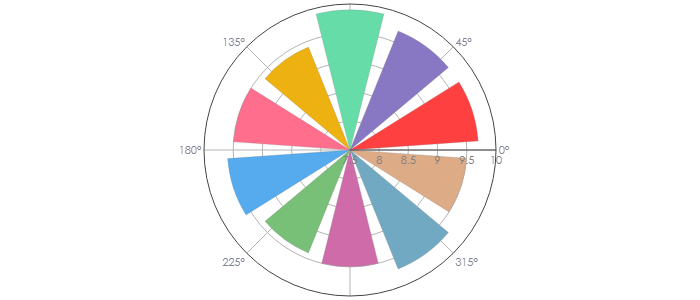
 © The WineStatistics ratings are based solely on our own knowledge of the world of wine and on our personal wine tastes, which may, or may not, differ from yours – the reader. Just remember that there are no absolutes of right and wrong in wine appreciation. Cheers!
Make a one-time donation
Make a monthly donation
Make a yearly donation
Choose an amount
Or enter a custom amount
WineStatistics is a non-profit community. We produce independent and highly detailed wine reviews.
By training ourselves to stop, take a breath, and pay attention to the subtle elements that distinguish one wine from any other, we learn an important lesson about life – that it’s worth taking the time to slow down and appreciate things that pleases us, from a glass of wine to a great work of art. It’s a simple way to learn to appreciate the little things in life that may in some small way enhance our enjoyment of every day.
In order to continue our work we need support from people like you. People who appreciate our contribution in spreading wine knowledge and raising wine awareness across the borders.
You may now support us by contributing with a one-time donation so that we can review even more wines.
WineStatistics is a non-profit community. We produce independent and highly detailed wine reviews.
By training ourselves to stop, take a breath, and pay attention to the subtle elements that distinguish one wine from any other, we learn an important lesson about life – that it’s worth taking the time to slow down and appreciate things that pleases us, from a glass of wine to a great work of art. It’s a simple way to learn to appreciate the little things in life that may in some small way enhance our enjoyment of every day.
In order to continue our work we need support from people like you. People who appreciate our contribution in spreading wine knowledge and raising wine awareness across the borders.
You may now support us by contributing with a monthly donation so that we can review even more wines.
WineStatistics is a non-profit community. We produce independent and highly detailed wine reviews.
By training ourselves to stop, take a breath, and pay attention to the subtle elements that distinguish one wine from any other, we learn an important lesson about life – that it’s worth taking the time to slow down and appreciate things that pleases us, from a glass of wine to a great work of art. It’s a simple way to learn to appreciate the little things in life that may in some small way enhance our enjoyment of every day.
In order to continue our work we need support from people like you. People who appreciate our contribution in spreading wine knowledge and raising wine awareness across the borders.
You may now support us by contributing with a yearly donation so that we can review even more wines.
 WineStatistics