MEERLUST | Rubicon | Stellenbosch | 2022
cabernet sauvignon | merlot | cabernet franc | petit verdot
 © We will be evaluating wines in no particular order on no particular schedule. Just stay tuned and you will never miss our reviews. If the wine is tasted more than once, the rating table will be updated so as to reflect all the new impressions and observations. We hope you will enjoy it!

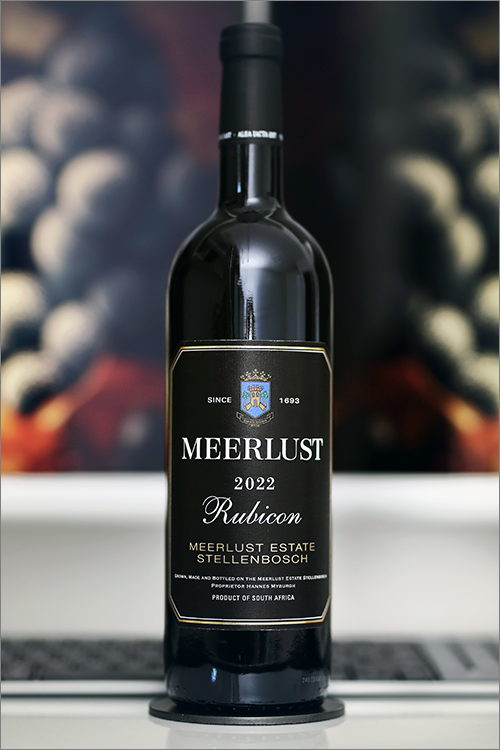
The story of Meerlust Estate is deeply rooted in South African history. German immigrant Henning Huising was so struck by an idyllic spot on a granite outcrop just a couple of leagues from False Bay, that he decided to name his new estate ‘Meerlust’ – ‘pleasure of the sea’. In 1756 it was purchased by the Myburgh family, who have owned it ever since. Today, eight generations later, Hannes Myburgh continues its legacy with the vision for the estate’s flagship wine – Rubicon – that was born from his experiences working at the legendary Château Lafite in Bordeaux. Hannes returned to South Africa with the ambition to create a world-class Bordeaux-style blend that could stand alongside the world’s finest – a goal he unequivocally achieved, cementing Rubicon’s status as one of South Africa’s most iconic and sought-after wines. Today we are going to review a wine that hardly requires any introduction, as this is one of the most famous wine labels from South Africa‘s famous Stellenbosch wine region – Rubicon Stellenbosch 2022 by Meerlust Estate. This is the estate’s flagship wine – a classic Bordeaux-style blend made of four grape varieties: cabernet sauvignon (67%), merlot (17%), cabernet franc (12%) and petit verdot (7%), where cabernet sauvignon forms the wine’s main body and structure, merlot lends softness and builds a more refined mid-palate, cabernet franc adds up-front richness and enhances the wine’s aromatic profile with delicate dusty hints, whereas petit verdot enhances the wine’s color depth and offers a leaner and a more dynamic finish.
The 2022 vintage was shaped by a cool and wet winter that saturated the soils, followed by a dry and warm spring and early summer. This allowed for a slow and steady grape ripening, which allowed for exceptional flavor development and optimal phenolic ripeness at harvest. The grapes for this wine were sourced from the estate’s four most important vineyards: Compagniesdrift, River Terraces, Quarry and Lowlands, each terroir providing a unique element to the final blend. The soils are predominantly clay-based with gravel.
The grapes from the Compagniesdrift vineyard, with its warm, north-facing slopes of decomposed granite gravel, yield wines that are expressive and bold in structure. The vineyards on the River Terraces feature sandy soils with rounded river stones and experience significant day-to-night temperature shifts, promoting delicateness and finesse. The Quarry vineyard, with its rocky soils of greywacke and shale, offers grapes that produce wines with vibrant acidity and aromatic precision. In the same key, the Lowlands vineyards, with their cool, south-facing clay-rich soils, impart a smooth, silky texture and prominent black fruit notes to the wines. This mosaic of microclimates allows for creation of a complex wine blend that capable to showcase the hallmark of a truly great wine, giving Rubicon such a depth and character that is unmistakably Stellenbosch in style and texture.
Under the guidance of winemaker Wim Truter, each grape parcel was vinified separately, aged initially for 8 months in French oak barrels, blended, and then returned to the barrel for another 10 months to further harmonize and develop, resulting in a total of 18 months of oak ageing (60% new oak and 40% oak at second and third fill), with additional bottle ageing before it was deemed ready for the market release.

As South Africa’s most celebrated wine region, Stellenbosch is distinguished by its mediterranean climate with warm, dry summers and cool, wet winters, which creates a high diurnal temperature variation that helps preserve acidity and build complexity during the slow ripening season. Nestled between the Helderberg and Simonsberg mountains, and within reach of the cooling influence from False Bay, Stellenbosch wine region is moderated by the ocean and mountain breezes, creating ideal conditions for grape growing. Soils are predominantly decomposed granite and clay, offering excellent drainage and moderate fertility, which encourages deep root growth and low vine vigor – key factors for concentrated flavor development. Known as South Africa’s ‘Bordeaux of the Cape‘, Stellenbosch is famous for its Cabernet Sauvignon, Merlot, and Cabernet Franc wines, often blended into age-worthy and complex reds, while also producing exceptional Chenin Blanc and Chardonnay wines. With its varied topography, rich soils, and maritime influence, Stellenbosch consistently delivers wines of profound depth, astonishing vibrancy, and unmistakable in their South African character.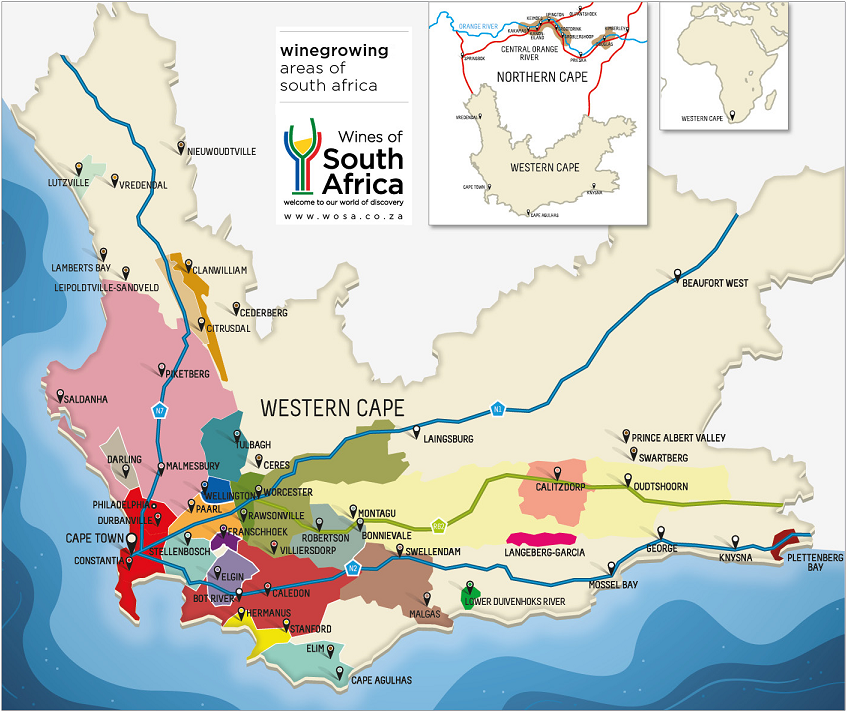

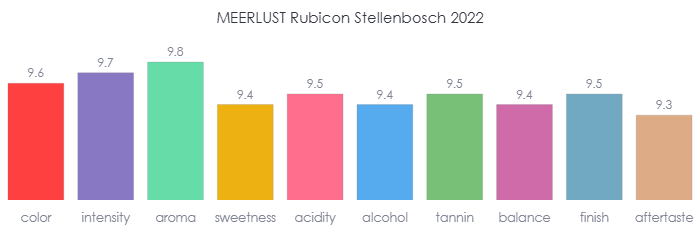
color: deep & opaque ruby color
clarity: hazy ruby shades at the rim
In the glass, the wine presents a deep and opaque ruby color, with noble and slightly hazy ruby shades at the rim, hinting at its concentration and complexity.

intensity: pronounced & explosive
fruit character: ripe & overripe
The aromatic profile is explosive and flamboyant, leading with a rich, fruity-expressive intensity, characterized by ripe to overripe dark fruits. In the foreground, a powerful wave of black fruits and jam hit the nose, with notes of dark cherry, black plum, cassis, and aronia berry, evolving into a luscious black cherry jam. This fruit core is beautifully intertwined with a distinctly-earthy and slightly mineral signature of pencil lead and wet granite, complemented by a nuanced dusty character. The background reveals a sophisticated layering of oak-derived aromas – liquorice, sweet tobacco, toasted oakwood, vanilla, and mocha, complemented by a warm baking spice mixture: nutmeg, cloves, and peppercorn, with subtle hints of dried figs and dates, adding a final touch to round up the wine’s aromatic complexity.

sweetness: dry | acidity: high | alcohol: high | tannin: high | balance: fine
finish: long | aftertaste: crisp & seedy
The palate is as flamboyant and expressive as the nose suggests – it makes a bold and vibrant entrance, revealing a rich, full-bodied and well-structured mouthfeel. The texture is firm and complex, defined by ripe and seedy tannins that provide a substantial grippy character without being austere. Exuberant acidity cuts through the richness of the fruit, bringing almost perfect balance and vivid freshness to the wine’s powerful frame. A well-integrated alcoholic warmth enhances the wine’s body, leading to a long, crisp, and pleasantly-seedy aftertaste.

maturity: developing | needs more time | drink now or age for another 3 to 5 years
verdict: great | a benchmark wine | a wine that has all the traits to become legendary
All in all, this is a textbook Bordeaux-styled wine blend, crafted in a clear-cut New World way, showcasing an expressive fruit profile with a nuanced jammy and oaky accent that lingers impressively on the finish. This wine stands as a good example of a modern cabernet sauvignon-based blend: explosive and flamboyant, with a multi-layered aromatic profile and a rich, grippy palate that is very well structured. While the use of oak is generous, it is skillfully integrated into the wine’s body, managing to enhance its complexity without overshadowing the vibrant dark fruit character and varietal typicity. This is a wine of immense character and structure that is still in its developing phase. It is not yet ready to be enjoyed, therefore we would highly recommend cellaring it for at least 3 to 5 more years to allow the tannins to soften and the complex flavors to fully integrate, unlocking the wine’ true potential.

Given the wine’s richness, bold structure, and firm tannins, it demands a dish of equal stature. We would suggest pairing it with a slow-braised Karoo lamb shank infused with rosemary, garlic, and thyme. The succulent meat will be beautifully complemented by the wine’s rich dark fruit notes, while the firm tannins will effortlessly cut through the richness of the lamb, cleansing the palate. In the same key, the dish’s herbal notes will echo the wine’s spicy and earthy undertones, creating a harmonious wine pairing experience that elevates both, the food and the wine itself. Cheers! MEERLUST | Rubicon | Stellenbosch | 2022
variety: cabernet sauvignon | merlot | cabernet franc | petit verdot
country: South Africa
region: Stellenbosch
rating: 95.1
The name ‘Rubicon’ is a nod to a pivotal moment in history, when Gaius Iulius Caesar crossed the Rubicon river, signifying a point of no return. For Meerlust, launching this ambitious Bordeaux-style blend in 1980 was a similar declaration of intent, a commitment to creating a wine that would forever change the landscape of South African winemaking. It was the first Bordeaux-style blend to be commercially produced in South Africa and has since become an enduring wine icon.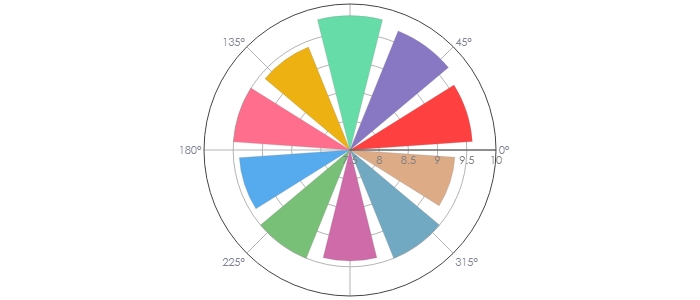
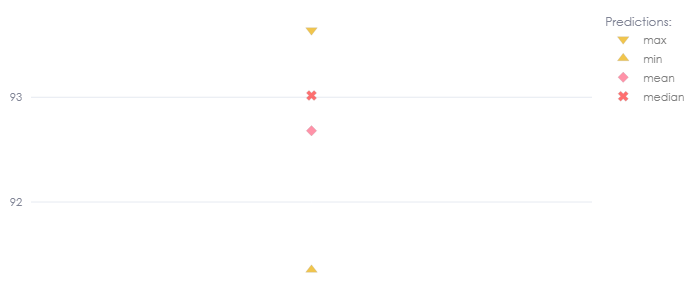
 © The WineStatistics ratings are based solely on our own knowledge of the world of wine and on our personal wine tastes, which may, or may not, differ from yours – the reader. Just remember that there are no absolutes of right and wrong in wine appreciation. Cheers!
Make a one-time donation
Make a monthly donation
Make a yearly donation
Choose an amount
Or enter a custom amount
WineStatistics is a non-profit community. We produce independent and highly detailed wine reviews.
By training ourselves to stop, take a breath, and pay attention to the subtle elements that distinguish one wine from any other, we learn an important lesson about life – that it’s worth taking the time to slow down and appreciate things that pleases us, from a glass of wine to a great work of art. It’s a simple way to learn to appreciate the little things in life that may in some small way enhance our enjoyment of every day.
In order to continue our work we need support from people like you. People who appreciate our contribution in spreading wine knowledge and raising wine awareness across the borders.
You may now support us by contributing with a one-time donation so that we can review even more wines.
WineStatistics is a non-profit community. We produce independent and highly detailed wine reviews.
By training ourselves to stop, take a breath, and pay attention to the subtle elements that distinguish one wine from any other, we learn an important lesson about life – that it’s worth taking the time to slow down and appreciate things that pleases us, from a glass of wine to a great work of art. It’s a simple way to learn to appreciate the little things in life that may in some small way enhance our enjoyment of every day.
In order to continue our work we need support from people like you. People who appreciate our contribution in spreading wine knowledge and raising wine awareness across the borders.
You may now support us by contributing with a monthly donation so that we can review even more wines.
WineStatistics is a non-profit community. We produce independent and highly detailed wine reviews.
By training ourselves to stop, take a breath, and pay attention to the subtle elements that distinguish one wine from any other, we learn an important lesson about life – that it’s worth taking the time to slow down and appreciate things that pleases us, from a glass of wine to a great work of art. It’s a simple way to learn to appreciate the little things in life that may in some small way enhance our enjoyment of every day.
In order to continue our work we need support from people like you. People who appreciate our contribution in spreading wine knowledge and raising wine awareness across the borders.
You may now support us by contributing with a yearly donation so that we can review even more wines.
 WineStatistics