VON WINNING | Riesling Extra Brut | Pfalz | #
riesling
 © We will be evaluating wines in no particular order on no particular schedule. Just stay tuned and you will never miss our reviews. If the wine is tasted more than once, the rating table will be updated so as to reflect all the new impressions and observations. We hope you will enjoy it!

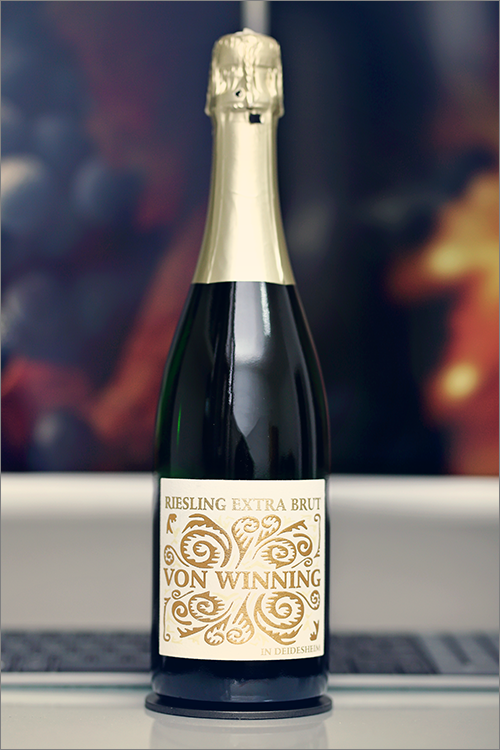
Weingut Von Winning, nestled in the heart of Deidesheim in Germany’s Pfalz region, boasts a rich history dating back to 1849. However, it was under Leopold von Winning, in the early 20th century, that the estate truly began to define its legacy of excellence, renown particularly for its dry Rieslings. Today, under the visionary leadership of winemaker Stephan Attmann, Von Winning is revered as one of Germany’s leading estates and a proud member of the prestigious VDP (Verband Deutscher Prädikatsweingüter) – a testament to their unwavering commitment to quality and genuine expression of the Pfalz terroir in every bottle. Today we are going to review a captivating sparkling wine from Pfalz – which is one of Germany’s most famous wine regions – Riesling Extra Brut by Von Winning. Riesling must be the world’s most underrated grape variety, as the resulting wines are unlike any others – light in alcohol, high in natural acidity, with the ability to transmit the terrior through its extract and minerality and, what makes it stand out from the crowd, riesling wines are capable of ageing for decades. Relative to other internationally grape varieties, riesling ripens quite early, so when planted in a hot climate its juice can be overripe and flabby, while in a cool climate it has the chance to stay on the vine late into the autumn, hence the german obsession with late harvest riesling wines. Germany have championed single-varietal wines since the first mass plantings of riesling at Schloss Johannisberg in 1720 in Rheingau. Since then, it has become the world’s top riesling producer, developing a wide range of styles from dry and crisp to lusciously sweet. Dry (trocken) and sparkling (sekt) styles of riesling are becoming increasingly popular lately.
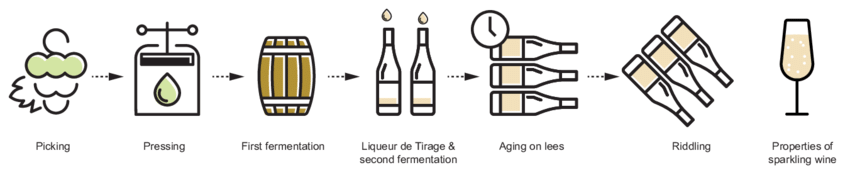
When it comes to sparkling wines, not all of them are created the same way. One of the key differences lies in how the bubbles are formed, specifically, whether the wine undergoes its second fermentation in the bottle (traditional method) or in large pressurized tanks (tank method, also known as charmat method). In the tank method the secondary fermentation happens in stainless steel tanks rather than individual bottles. This process is quicker, more cost-effective, and preserves the wine’s vibrant fruit character and freshness. The result is a more aromatic, easy-drinking sparkling wine with crisp acidity and minimal yeasty complexity (think of Prosecco). On the other hand, the traditional method is a more time-intensive process, as the second fermentation happens in the bottle, where the wine also ages on the fine lees (the dead yeast particles) for extended periods, from several months to several years. This slow aging builds extra layers of complexity on the nose and creates a creamy textures on the palate (think of classic sparkling wines like Champagne, Cava, or Franciacorta).
The winemaking process for this wine is a meticulous mix between tradition and precision, as the wine went through its primary fermentation in both, stainless steel tanks and a small oak barrels, adding layers of extra complexity and texture. The second fermentation happens directly in the bottle, in accordance with the revered ‘méthode traditionnelle‘ technique. The wine then ages on fine lees for an impressive 36 months, a period that significantly contributes to its creamy mouthfeel, opulent body, refined perlage, and the development of intricate autolytic characteristics.

Stretching along the eastern slopes of the Haardt Mountains (an extension of France’s Vosges Mountains), Pfalz is one of Germany’s warmest and driest wine regions, often referred to as its “sunbelt.” Sheltered from cold winds by the mountains, the region enjoys a mild, almost Mediterranean climate with long, sunny summers and limited rainfall, allowing grapes to achieve full ripeness while retaining freshness.
The soils are highly diverse: sandstone, limestone, loess, loam, and basalt, giving winemakers a wide palette of terroirs. This versatility supports both white and red wines: Riesling reigns supreme here, producing ripe, rich and fruit-forward wines than have more nuance and extract than those of the Mosel or Rheingau regions. The warmer conditions also make Pfalz a stronghold for thin-skinned red varieties such as Spätburgunder (the german name for Pinot Noir), Dornfelder, and Portugieser.

color: medium-deep yellow color
clarity: bright topaz-yellow hues
The wine presents a medium-deep yellow color, with bright topaz-yellow shades towards the rim of the glass. The perlage is fine and persistent, with delicate streams of tiny bubbles ascending to the surface.

intensity: pronounced & leesy
fruit character: ripe & dried
On the nose, the wine displays a pronounced leesy character, with ripe and dried fruits. In the foreground, vibrant citrusy notes burst forth, dominated by zesty lemon and pomelo, beautifully intertwined with hints of Riesling’s blueprint petroleum notes. These are gracefully complemented by delicate whispers of dried fruits, such as raisins and dried quince, adding a layer of sophisticated sweetness. As the aromatic profile evolves, the background unveils profound yeasty aromas – a symphony of fresh bread crumbs, baguette, and yeas. As the wine breathes, a subtle, yet discernible herbal touch emerges, reminiscent of hay, pear leaf, aromatic dried herbs, and even a faint hint of vine leaf – all contributing to an incredibly complex and alluring aromatic tapestry.

sweetness: dry | acidity: high | alcohol: medium+ | tannin: low | balance: good
finish: medium+ | aftertaste: crisp
On the palate, the wine feels extremely appealing and intensely refreshing, with a lean and round mouthfeel. It has invigoratingly-crisp acidity and a dry mouthfeel that is perfectly balanced by a subtle, well-integrated alcoholic warmth. The complexity experienced on the nose transitions to the palate as well, with layers of citrus, subtle savory notes, and a creamy texture. The finish is long and appealing, culminating in a crisp and clean aftertaste that lingers for quite a while, inviting for yet another sip.

maturity: developing | drink now or age for 3 to 4 more years
verdict: fine | highly recommended | a wine of premium quality
Overall, this is a rich and beautifully structured sparkling wine, showcasing a complex and harmonious palate that delivers an amazing varietal typicity of the Riesling grape. The 36 months of lees ageing imparted a creamy roundness and profound depth to the wine. The subtle touch of phenolic bitterness adds extra character without detracting the wine’s roundness. The wine is still developing, ready to be enjoyed today or cellared for another 3 to 4 years to allow its complexities to further unfold and its tertiary notes to reach their peak expression, promising an even more profound tasting experience.

We would recommend pairing this wine with dishes that can harmonize with its vibrant acidity and subtle creaminess. A classic choice would be freshly shucked oysters with a touch of mignonette, as the wine’s crispness will cut beautifully through the salinity of the oysters. Prost!
 VON WINNING | Riesling Extra Brut | Pfalz | #
variety: riesling
country: Germany
region: Pfalz
rating: 93.5
Weingut Von Winning is considered one of the pioneers in the production of dry Rieslings in Germany, moving away from the sweeter styles that were traditionally associated with german wines. As a proud member of the VDP, their wines adhere to the highest quality standards, ensuring they are genuine expressions of the Pfalz terroir.

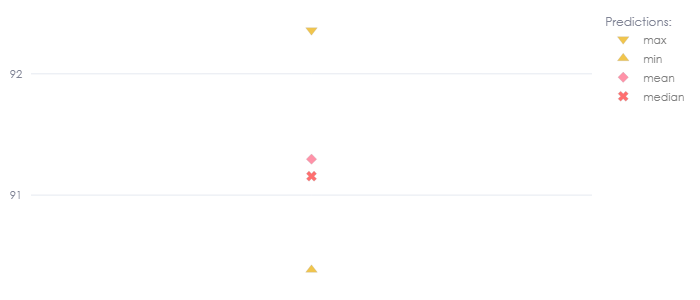
 © The WineStatistics ratings are based solely on our own knowledge of the world of wine and on our personal wine tastes, which may, or may not, differ from yours – the reader. Just remember that there are no absolutes of right and wrong in wine appreciation. Cheers!
Make a one-time donation
Make a monthly donation
Make a yearly donation
Choose an amount
Or enter a custom amount
WineStatistics is a non-profit community. We produce independent and highly detailed wine reviews.
By training ourselves to stop, take a breath, and pay attention to the subtle elements that distinguish one wine from any other, we learn an important lesson about life – that it’s worth taking the time to slow down and appreciate things that pleases us, from a glass of wine to a great work of art. It’s a simple way to learn to appreciate the little things in life that may in some small way enhance our enjoyment of every day.
In order to continue our work we need support from people like you. People who appreciate our contribution in spreading wine knowledge and raising wine awareness across the borders.
You may now support us by contributing with a one-time donation so that we can review even more wines.
WineStatistics is a non-profit community. We produce independent and highly detailed wine reviews.
By training ourselves to stop, take a breath, and pay attention to the subtle elements that distinguish one wine from any other, we learn an important lesson about life – that it’s worth taking the time to slow down and appreciate things that pleases us, from a glass of wine to a great work of art. It’s a simple way to learn to appreciate the little things in life that may in some small way enhance our enjoyment of every day.
In order to continue our work we need support from people like you. People who appreciate our contribution in spreading wine knowledge and raising wine awareness across the borders.
You may now support us by contributing with a monthly donation so that we can review even more wines.
WineStatistics is a non-profit community. We produce independent and highly detailed wine reviews.
By training ourselves to stop, take a breath, and pay attention to the subtle elements that distinguish one wine from any other, we learn an important lesson about life – that it’s worth taking the time to slow down and appreciate things that pleases us, from a glass of wine to a great work of art. It’s a simple way to learn to appreciate the little things in life that may in some small way enhance our enjoyment of every day.
In order to continue our work we need support from people like you. People who appreciate our contribution in spreading wine knowledge and raising wine awareness across the borders.
You may now support us by contributing with a yearly donation so that we can review even more wines.
 WineStatistics