CECILIA BERETTA | Conegliano Valdobbiadene | Prosecco Superiore | Brut | 2023
glera

 © We will be evaluating wines in no particular order on no particular schedule. Just stay tuned and you will never miss our reviews. If the wine is tasted more than once, the rating table will be updated so as to reflect all the new impressions and observations. We hope you will enjoy it!

Rooted in the heart of Veneto, Cecilia Beretta is more than just a winery; it’s a living research center dedicated to advancing viticulture and winemaking. Established in the 1980’s by the prominent Pasqua family, Cecilia Beretta operates as an independent innovative venture, despite remaining under the Pasqua ownership. With 89 hectares of prime, limestone-rich vineyards spread across the rolling hills of Valpolicella and Soave, the winery’s vision is deeply committed to understanding and expressing the unique potential of Italy’s indigenous grape varieties and diverse terroirs. This dedication has garnered them increasing critical acclaim, including prestigious awards, demonstrating their unwavering pursuit of excellence. Today we are also going to review a genuine Prosecco wine – that appealing and refreshing sparkling wine style that is so much sought after all over the world – Conegliano Valdobbiadene Prosecco Superiore Brut 2023 by Cecilia Beretta. Made out of glera grapes, that were sourced from the Conegliano Valdobbiadene area within the Prosecco sub-region in Treviso (an appellation renowned for producing the highest quality Prosecco wines), this wine has been produced using the non-traditional tank method developed by Federico Martinotti (also known as Martinotti Method or Méthode Charmat, as later it was improved by Eugéne Charmat), with second fermentation in pressurized tanks. This wine style is growing in popularity with each passing season and there’s a reason why – Prosecco tends to have boisterous fruit and mesmerizing flower aromas, and because it ages in large tanks with less pressure, Prosecco has bigger and lighter bubbles that don’t last as long as in classic Champagne wines. The aromatic profile of a Prosecco is mesmerizing, so much that it has become the most famous italian sparkling wine, and it is meant to be enjoyed young and fresh, in order to experience its full aromatic profile and zingy fizziness.
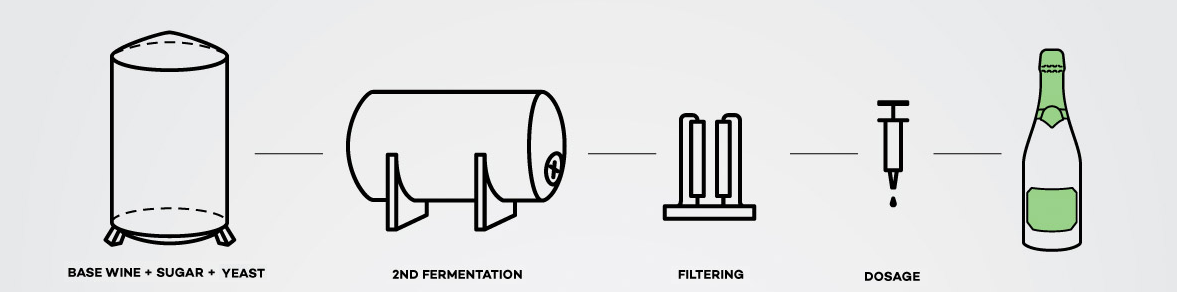
When it comes to sparkling wines, not all of them are created the same way. One of the key differences lies in how the bubbles are formed — specifically, whether the wine undergoes its second fermentation in the bottle (traditional method) or in large pressurized tanks (tank method, also known as charmat method). In the tank method the secondary fermentation happens in stainless steel tanks rather than individual bottles. This process is quicker, more cost-effective, and preserves the wine’s vibrant fruit character and freshness. The result is a more aromatic, easy-drinking sparkling wine with crisp acidity and minimal yeasty complexity (think of Prosecco). On the other hand, the traditional method is a more time-intensive process, as the second fermentation happens in the bottle, where the wine also ages on the fine lees (the dead yeast particles) for extended periods, from several months to several years. This slow aging builds extra layers of complexity on the nose and creates a creamy textures on the palate (think of classic sparkling wines like Champagne, Cava, or Franciacorta).

The Conegliano Valdobbiadene micro-regions enjoy a favorable cool continental climate and diverse soil types, featuring clay, marl, sandstone, and Miocene molasse. The unique geography of this verysmall area, with altitudes ranging from 225 to 350 meters, allows for optimal grape ripening. The mix of clay and limestones allows for good drainage that supports deep root growth and deliver the much needed nutrients, while the cool breezes during summer nights preserve the natural acidity and aromatic intensity of the grapes. The region’s rolling hills create a microclimate with a long growing season that allow the grapes to ripen fully and develop complex aromatic compounds. All those factors form a quite complex and diverse micro-terroir that allow for production of a high-quality sparkling wines.

color: pale | straw-yellow color
clarity: clear | pastel-greenish hues
In the glass, the wine presents a pale straw-yellow color, shimmering with subtle citrine reflections and delicate pale greenish hues that dance towards the rim of the glass. The perlage is fine and persistent, with a steady stream of elegant, tiny bubbles rising gracefully to the surface.

intensity: rich & expressive
fruit character: ripe & underripe
The olfactory profile is rich and expressive, revealing a ripe to underripe fruit character that is both inviting and invigorating. The foreground is dominated by a vibrant medley of green fruits (green pear and green apple) intertwined with a zesty citrus notes (lime, green grapefruit, lemon, and a subtle hint of pomelo). Hints of kiwi and aromatic bergamot add an intriguing layer of complexity, while the background unveils a captivating blend of herbal undertones, with nettle, currant leaf, and lemongrass providing extra aromatic sophistication. These are beautifully complemented by sweet flowery notes of acacia and lindenflower, culminating in a subtle yet alluring touch of pineapple and cantaloupe.

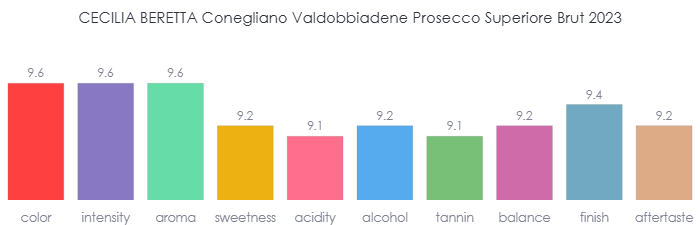
sweetness: off dry | acidity: high | alcohol: medium+ | tannin: low | balance: good
finish: medium+ | aftertaste: silky-crisp
The palate is immediately inviting, presenting a soft, round, and smooth texture that glides effortlessly across the tongue. It reveals a supple, lean, and ample body, creating an incredibly approachable mouthfeel. While the wine feels slightly off-dry, with a subtle touch of sweetness that adds charm without being cloying, the acidity feels slightly flat, providing freshness but perhaps lacking a touch of vibrant zest. A well-integrated hint of alcoholic warmth adds structure without dominating, allowing the wine’s rich character to shine. The finish is medium+, leading to a silky and lean aftertaste that leaves a refreshing sensation, inviting for yet another sip.

maturity: in its prime | drink now or within a year
verdict: fine | highly recommended | a wine of premium quality
Overall, this is a truly appealing sparkling wine, showcasing a delicate balance between sweetness and freshness. Its structure is well-defined, making it a true crowd-pleaser and food friendly. It serves as a nice example of a Valdobbiadene Prosecco wine, delivering that famous silky and supple texture on the mouthfeel that is both elegant and velvety. This is nicely made and easy-to-drink Prosecco sparkling wine that exhibits a beautiful structure with an appealingly-green freshness on the palate. It is perfectly ready to be enjoyed today, offering vibrant freshness, though it could potentially gain a touch more complexity and aromatic sophistication if cellared for up to a year.

Given the wine’s slightly sweet profile and delightful aromatic profile, it demands a pairing that can both complement and elevate its characteristics. We would recommend pairing this Prosecco wine with pan-seared scallops served atop a delicate pea and mint purée, finished with a drizzle of lemon-infused olive oil. The inherent sweetness of the scallops will harmonize beautifully with the wine’s subtle sweetness, while the vibrant acidity of the wine will cut through the richness of the seafood and the purée. The wine’s citrus and herbal undertones will find a delightful echo in the lemon and mint, creating a congruent and refreshing interplay of flavors, while the fine perlage will cleanse the palate. Cheers!
 CECILIA BERETTA | Conegliano Valdobbiadene | Prosecco Superiore | Brut | 2023
variety: glera
country: Italy | Veneto
region: Verona | Prosecco Superiore | Conegliano-Valdobbiadene
rating: 93.2
Cecilia Beretta, while renowned for its Amarone and other still wines from Valpolicella and Soave, was actually founded as a viticultural research center in the 1980’s by the Pasqua family. This spirit of innovation and deep understanding of terroir influences all their wines. The estate itself is named after Giuseppe Beretta, a 17th-century nobleman who built the splendid villa that now stands at its heart.

 © The WineStatistics ratings are based solely on our own knowledge of the world of wine and on our personal wine tastes, which may, or may not, differ from yours – the reader. Just remember that there are no absolutes of right and wrong in wine appreciation. Cheers!
Make a one-time donation
Make a monthly donation
Make a yearly donation
Choose an amount
Or enter a custom amount
WineStatistics is a non-profit community. We produce independent and highly detailed wine reviews.
By training ourselves to stop, take a breath, and pay attention to the subtle elements that distinguish one wine from any other, we learn an important lesson about life – that it’s worth taking the time to slow down and appreciate things that pleases us, from a glass of wine to a great work of art. It’s a simple way to learn to appreciate the little things in life that may in some small way enhance our enjoyment of every day.
In order to continue our work we need support from people like you. People who appreciate our contribution in spreading wine knowledge and raising wine awareness across the borders.
You may now support us by contributing with a one-time donation so that we can review even more wines.
WineStatistics is a non-profit community. We produce independent and highly detailed wine reviews.
By training ourselves to stop, take a breath, and pay attention to the subtle elements that distinguish one wine from any other, we learn an important lesson about life – that it’s worth taking the time to slow down and appreciate things that pleases us, from a glass of wine to a great work of art. It’s a simple way to learn to appreciate the little things in life that may in some small way enhance our enjoyment of every day.
In order to continue our work we need support from people like you. People who appreciate our contribution in spreading wine knowledge and raising wine awareness across the borders.
You may now support us by contributing with a monthly donation so that we can review even more wines.
WineStatistics is a non-profit community. We produce independent and highly detailed wine reviews.
By training ourselves to stop, take a breath, and pay attention to the subtle elements that distinguish one wine from any other, we learn an important lesson about life – that it’s worth taking the time to slow down and appreciate things that pleases us, from a glass of wine to a great work of art. It’s a simple way to learn to appreciate the little things in life that may in some small way enhance our enjoyment of every day.
In order to continue our work we need support from people like you. People who appreciate our contribution in spreading wine knowledge and raising wine awareness across the borders.
You may now support us by contributing with a yearly donation so that we can review even more wines.
 WineStatistics