GRAHAM BECK | Brut | Méthode Cap Classique | #
chardonnay | pinot noir

 © We will be evaluating wines in no particular order on no particular schedule. Just stay tuned and you will never miss our reviews. If the wine is tasted more than once, the rating table will be updated so as to reflect all the new impressions and observations. We hope you will enjoy it!

Graham Beck Estate was founded in 1983 and has since quickly established its legacy as a pioneer in the South African sparkling wine scene. Their unwavering commitment to crafting world-class Méthode Cap Classique wines led them to focus almost exclusively on these exceptional bubblies. Under the masterful guidance of cellarmaster Pieter Ferreira, affectionately known as Mr. Bubbles, Graham Beck Estate has consistently raised the bar, producing wines of great sophistication, noble elegance, and top quality. Today we are going to review a very famous sparkling wine from the Western Cape, which is South Africa‘s most famous wine-producing area – Brut Méthode Cap Classique by Graham Beck. This wine is a classic blend of chardonnay and pinot noir, produced by the authentic méthode traditionelle technique (also called the champenoise method) which in South Africa is known as Méthode Cap Classique (MCC), with a long period of second fermentation in the bottle. This wine is a textbook expression of the Méthode Cap Classique – South Africa’s answer to traditional method sparkling wines, produced using the same time-honoured techniques as in the famous Champagne wines. This wine is a harmonious blend of the two classic sparkling wine grape varieties: chardonnay, which contributes finesse, elegance, and vibrant acidity, and pinot noir, which provides richness to the mouthfeel, adding weight on the palate and extra texture. This is a non-vintage blend made from different vintages, ensuring year on year consistency, thus making it possible to achieve the signature Graham Beck style. After the second fermentation, the wine was then aged for 15 months on fine lees (a process known as ‘sur lie ageing’), which allowed it to develop more aromatic sophistication, an extra layer of complexity and the much desired creaminess on the palate.
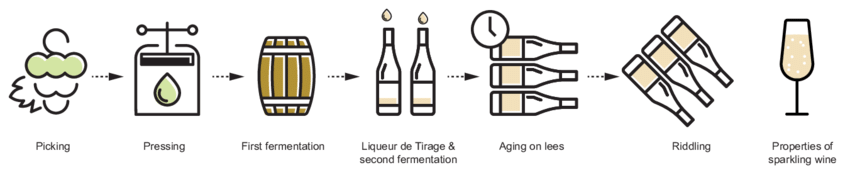
When it comes to sparkling wines, not all of them are created the same way. One of the key differences lies in how the bubbles are formed — specifically, whether the wine undergoes its second fermentation in the bottle (traditional method) or in large pressurized tanks (tank method, also known as charmat method). In the tank method the secondary fermentation happens in stainless steel tanks rather than individual bottles. This process is quicker, more cost-effective, and preserves the wine’s vibrant fruit character and freshness. The result is a more aromatic, easy-drinking sparkling wine with crisp acidity and minimal yeasty complexity (think of Prosecco). On the other hand, the traditional method is a more time-intensive process, as the second fermentation happens in the bottle, where the wine also ages on the fine lees (the dead yeast particles) for extended periods, from several months to several years. This slow aging builds extra layers of complexity on the nose and creates a creamy textures on the palate (think of classic sparkling wines like Champagne, Cava, or Franciacorta).

Western Cape is the heart of South Africa’s wine industry, encompassing a broad and diverse set of wine regions, including the world’s famous Stellenbosch, Paarl, Swartland, and Walker Bay. Its maritime climate is shaped by the cold Benguela current and strong oceanic breezes from both the Atlantic and Indian oceans, which help moderate temperatures, reduce disease pressure, and prolonge the ripening season. This results in wines with excellent natural acidity and aromatic complexity. The region’s varied topography and soils, ranging from ancient granite and shale to sandstone and alluvial deposits, allow for a wide range of grape varieties to thrive, from cabernet sauvignon, syrah, and pinotage, to chenin blanc, chardonnay, and sauvignon blanc. The vast diurnal range between warm days and cool nights, further enhance the freshness and structure of the wines. All of this allows Western Cape to produce expressive and terroir-driven wines that balance new world’s fruit generosity with old world’s finesse.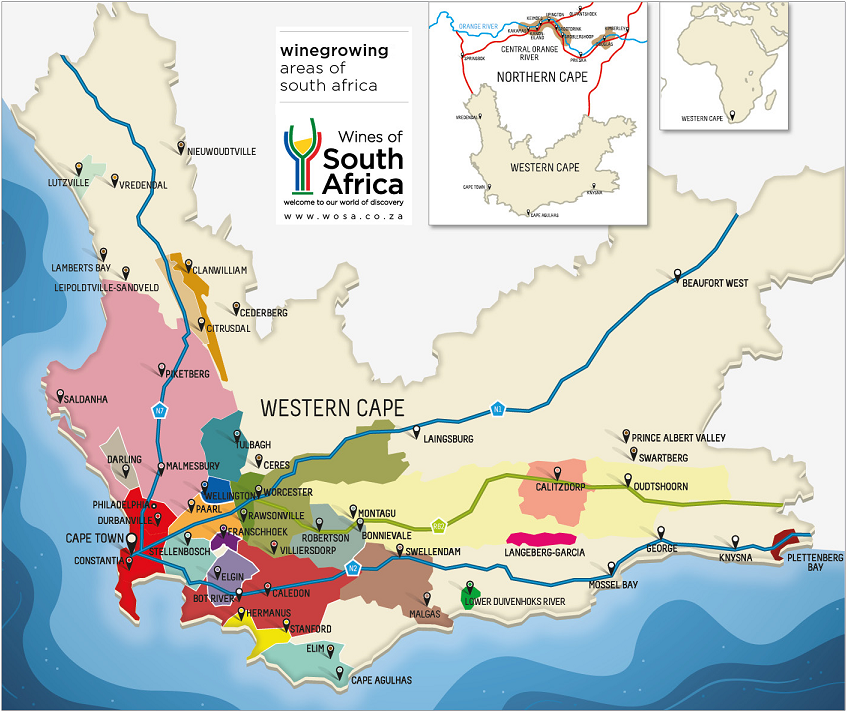

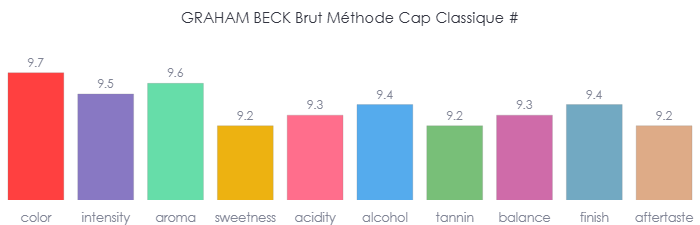
color: medium-deep pastel-yellow color
clarity: pale straw-yellow hues at the rim
In the glass, this wine presents a medium to deep, pastel-yellow color, adorned with delicate nd pale, straw-yellow hues at the rim of the glass. The effervescence is captivating, with a persistent stream of fine, pin-prick bubbles that rise gracefully to form a delicate mousse – a clear indication of the wine’s pedigree.

intensity: rich & leesy
fruit character: ripe
The aromatic profile is rich and expressive, revealing a pronounced leesy character that is complemented by ripe fruits. In the foreground, a wave of yeasty and lees-driven notes captivates the nose, think of fresh baguette, buttered brioche, and toasted biscuit. Those are beautifully complemented by a vibrant core of sour fruits (sour apple and quince), with delicate hints of zesty lemon and pomelo adding a refreshing lift. As the aroma evolves, the background unveils nuanced herbal notes of hay and dry straw grass, gracefully mingling with subtle undertones of orchid fruits like yellow mirabelle and asian pear, all rounded off by a comforting touch of oatmeal and whole grain, adding extra layers of intriguing complexity.

sweetness: dry | acidity: high | alcohol: medium+ | tannin: none | balance: good
finish: medium+ | aftertaste: appealingly-crisp
The palate is as enticing and well-structured as the nose suggests, making a smooth, lean, and ample entrance. It delivers a round, rich, and crisp mouthfeel, showcasing a remarkable balance and a truly sophisticated texture. The wine is distinctly dry, yet it carries a subtle underlying sweetness that adds to its appeal. A vibrant acidity cuts through the wine’s richness, bringing energy and freshness, while a well-integrated touch of alcoholic warmth enhances the wine’s body without overpowering. The tannins are lean, almost non-existent, allowing the fruit and leesy characters to shine. This leads to a complex, well-structured, and harmonious finish, culminating in an appealingly-crisp aftertaste that invites another sip.

maturity: in its prime | drink now or within the next 2 years
verdict: fine | highly recommended | a wine of premium quality
All in all, this is a textbook Méthode Cap Classique sparkling wine, expertly crafted with a beautifully balanced aromatic profile. It feels nicely structured, harmonious, and extremely appealing, showcasing a pronounced leesy character perfectly integrated with its vibrant fruit core. This brut sparkling wine is unequivocally in its prime form, demonstrating both character and structure in abundance. While it is ready to be thoroughly enjoyed today, its inherent quality suggests it will continue to develop and gain even more complexity and aromatic sophistication over the next 2 years, making it a truly rewarding experience for any sparkling wine enthusiast.

Given its vibrant acidity and rich, leesy complexity, we believe this wine is an incredibly versatile food companion. We would suggest to pair it with freshly shucked oysters, where the wine’s bright acidity and delicate bubbles would cut through the briny notes of the dish, thus cleansing the palate. For a more sophisticated pairing, consider a classic brunch like eggs benedict with a rich hollandaise sauce, where the wine’s acidity will be beautifully balanced by the richness of the egg and sauce, while its brioche notes will echo the english muffin, creating a harmonious and memorable wine tasting experience. Cheers!
 GRAHAM BECK | Brut | Méthode Cap Classique | #
variety: chardonnay | pinot noir
country: South Africa
region: Western Cape
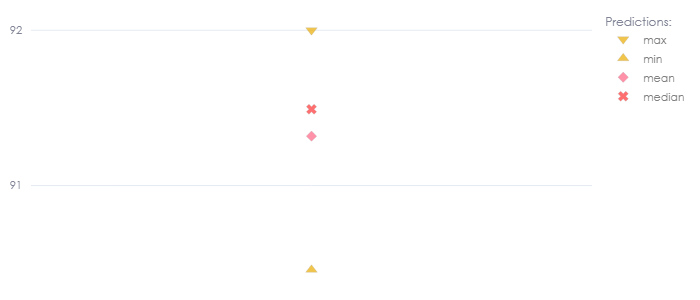
rating: 93.8
The term ‘Cap Classique’ holds a special significance, having been used in South Africa since 1992. It’s a clever nod to the Cape region and the classic ‘french method’ of secondary fermentation in the bottle – a technique identical to that used for producing Champagne wines. South African producers are legally prohibited from using the ‘Champagne’ designation, making ‘Cap Classique’ a prestigious naming alternative. Today’s Brut is famously known as the “President’s Choice” – a testament to its exceptional quality and broad appeal, having been served at historic occasions like Nelson Mandela’s inauguration, but also at Barack Obama’s presidential victory, making it a bubbly with a truly historic pedigree.
 © The WineStatistics ratings are based solely on our own knowledge of the world of wine and on our personal wine tastes, which may, or may not, differ from yours – the reader. Just remember that there are no absolutes of right and wrong in wine appreciation. Cheers!
Make a one-time donation
Make a monthly donation
Make a yearly donation
Choose an amount
Or enter a custom amount
WineStatistics is a non-profit community. We produce independent and highly detailed wine reviews.
By training ourselves to stop, take a breath, and pay attention to the subtle elements that distinguish one wine from any other, we learn an important lesson about life – that it’s worth taking the time to slow down and appreciate things that pleases us, from a glass of wine to a great work of art. It’s a simple way to learn to appreciate the little things in life that may in some small way enhance our enjoyment of every day.
In order to continue our work we need support from people like you. People who appreciate our contribution in spreading wine knowledge and raising wine awareness across the borders.
You may now support us by contributing with a one-time donation so that we can review even more wines.
WineStatistics is a non-profit community. We produce independent and highly detailed wine reviews.
By training ourselves to stop, take a breath, and pay attention to the subtle elements that distinguish one wine from any other, we learn an important lesson about life – that it’s worth taking the time to slow down and appreciate things that pleases us, from a glass of wine to a great work of art. It’s a simple way to learn to appreciate the little things in life that may in some small way enhance our enjoyment of every day.
In order to continue our work we need support from people like you. People who appreciate our contribution in spreading wine knowledge and raising wine awareness across the borders.
You may now support us by contributing with a monthly donation so that we can review even more wines.
WineStatistics is a non-profit community. We produce independent and highly detailed wine reviews.
By training ourselves to stop, take a breath, and pay attention to the subtle elements that distinguish one wine from any other, we learn an important lesson about life – that it’s worth taking the time to slow down and appreciate things that pleases us, from a glass of wine to a great work of art. It’s a simple way to learn to appreciate the little things in life that may in some small way enhance our enjoyment of every day.
In order to continue our work we need support from people like you. People who appreciate our contribution in spreading wine knowledge and raising wine awareness across the borders.
You may now support us by contributing with a yearly donation so that we can review even more wines.
 WineStatistics