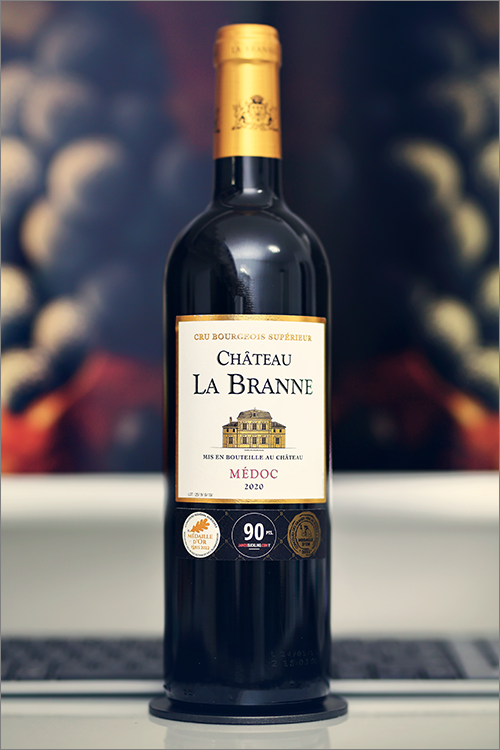
CHÂTEAU LA BRANNE | Médoc | Cru Bourgeois Supérieur | 2020
cabernet sauvignon | merlot | petit verdot
 © We will be evaluating wines in no particular order on no particular schedule. Just stay tuned and you will never miss our reviews. If the wine is tasted more than once, the rating table will be updated so as to reflect all the new impressions and observations. We hope you will enjoy it!

The story of Château La Branne is one of passion and gradual growth, deeply rooted in the Médoc peninsula. Originally a modest family property of just two hectares, the estate, under the stewardship of Fabienne and Philippe Videau, has expanded to 30 hectares. The pivotal year was 1999, when the family made the bold decision to cease selling their grapes and instead vinify their own wine, aiming to fully express the potential of their unique terroir. Today we are going to review a classic ‘left bank‘ blend from the Médoc sub-region of the world’s famous Bordeaux appellation – Médoc Cru Bourgeois Supérieur 2020 by Château La Branne. This wine is a quintessential Médoc blend composed of three famous Bordeaux grape varieties: 55% cabernet sauvignon, 35% merlot (also known locally as merlot noir), and 10% petit verdot, where cabernet sauvignon forms the wine’s main body and structure, merlot adds up-front richness and builds a more refined mid-palate, while petit verdot add floral notes and extra tannin, as well as color depth, thus enhancing the wine’s overall complexity. The grapes are sourced only from the estate’s vineyards that are planted across three different soil types: gravelly sand, which yields fine and elegant wines, clay-gravel, contributing intense aromatics, and clay-limestone, which imparts structure and powerful tannins. The well-drained gravel soils, typical of the Médoc region, force the vines’ roots deep in search of nutrients, resulting in highly concentrated grapes at harvest. This wine has been assigned the prestigious ‘Cru Bourgeois Supérieur‘ status – a testament to its exceptional quality. In order to soften the tannins and add a layer of extra complexity to the final blend, the final blend has been aged for 12 months in french oak barriques, from which 25% new oak, with additional bottle ageing time before it was deemed ready for the market release.

Bordeaux is the world’s most influential wine region, defined by a temperate maritime climate with mild winters, moderate summers, and regular rainfall that supports long and even ripening. The region is shaped by the Gironde estuary and its tributaries, the Garonne and Dordogne rivers, which moderate temperatures and reduce frost risk. Bordeaux’s soils are highly varied, ranging from gravel, sand, and limestone, to clay-rich formations, allowing different grape varieties to thrive in distinct zones. Cabernet Sauvignon, Merlot, Cabernet Franc, Petit Verdot, and Malbec are all at home here, dominating red wine production, while Sauvignon Blanc, Sémillon, and Muscadelle form the backbone of the region’s whites.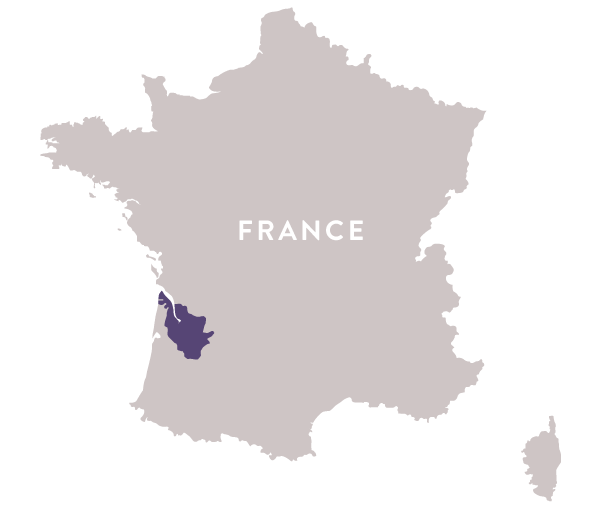 Bordeaux‘s ‘Left Bank‘ lies west of the Gironde and Garonne rivers and is best known for its gravel-dominated soils, which offer excellent drainage and heat retention, ideal for Cabernet Sauvignon. The maritime influence of the Atlantic Ocean tempers extreme heat and extends the growing season, allowing grapes to ripen slowly while retaining freshness. Wines from the Left Bank are typically well structured, with a nuanced tannic grip, with Cabernet Sauvignon playing the main role, supported by Merlot and smaller proportions of other grape varieties, creating age worthy wines of high precision and power.
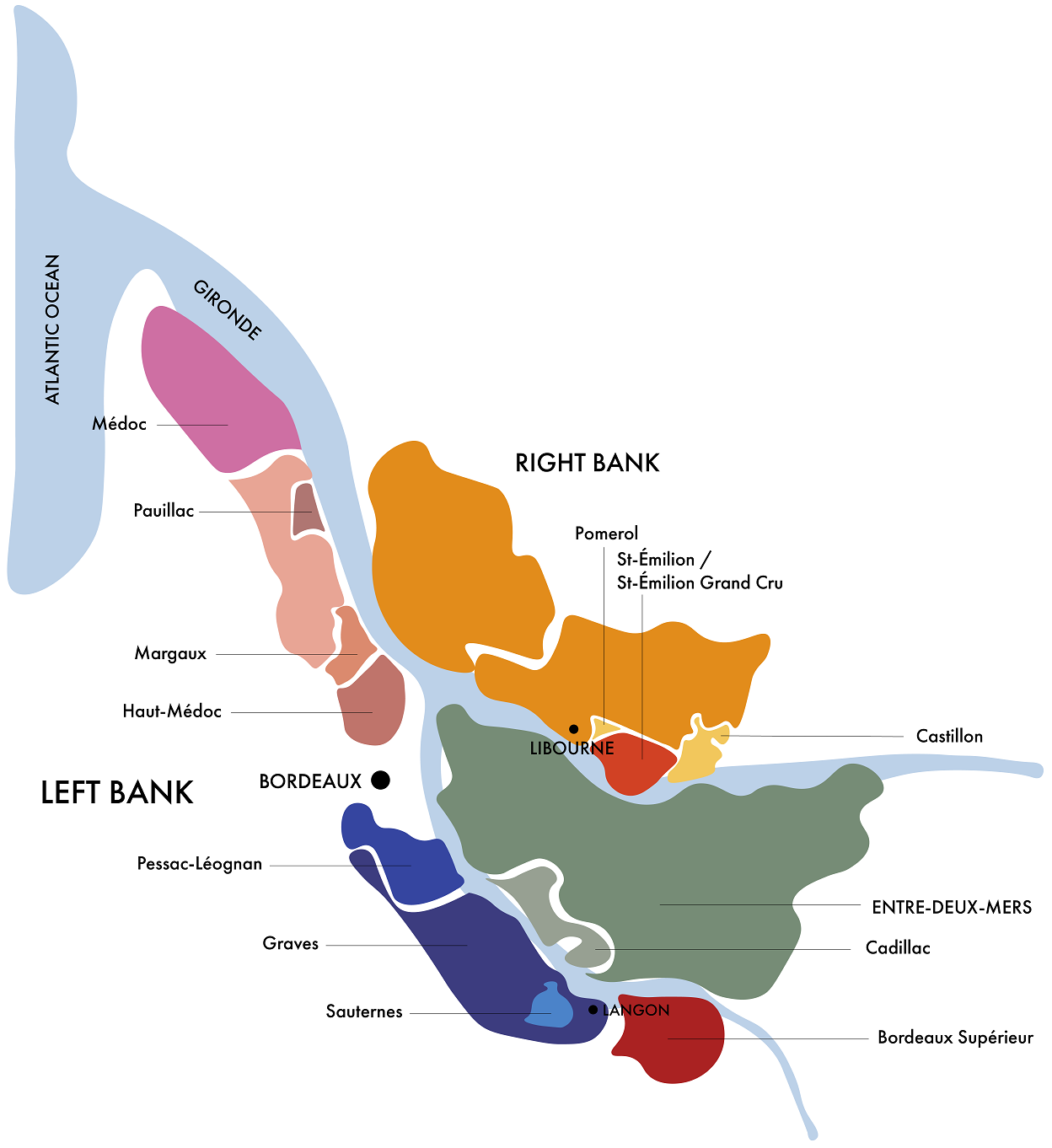 The Médoc sub-region, located north of the city of Bordeaux along the left bank of the Gironde estuary, is defined by its long strip of deep gravel terraces formed by ancient river deposits. These gravelly soils provide exceptional drainage and heat retention, creating ideal conditions for Cabernet Sauvignon, which dominates the blends here, supported by Merlot, Cabernet Franc, and small amounts of Petit Verdot. The proximity to the Gironde river moderates temperature extremes, reducing frost risk and extending the ripening season, which allows grapes to reach full phenolic maturity while preserving freshness. The wines of Médoc are well structured, powerful, and bold, marked by firm tannins, black fruits core, and notes of cedar, graphite, and tobacco – all of them wines with a great ageing potential. Within Médoc lie some of Bordeaux’s most prestigious appellations, including Pauillac, Margaux, Saint-Julien, and Saint-Estèphe, each offering its own expression of this iconic terroir.

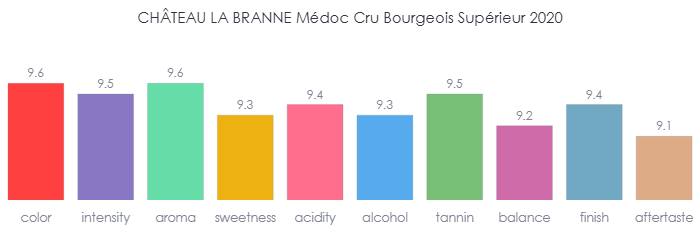
color: deep & opaque ruby color
clarity: hazy ruby shades at the rim
In the glass, the wine presents a classic Bordeaux appearance, with a deep and opaque ruby color that extends to its core. Towards the rim, it reveals hazy ruby shades, signaling its vibrant youthfulness and concentration.

intensity: rich & savory
fruit character: ripe & overripe
The aromatic profile is rich, offering a captivating savory-delicate character that hints at the classic, old-world styled Bordeaux reds. On the forefront, a wave of ripe black fruits, including blackcurrant, blackberry, black plum, and dark cherry, elegantly intertwines with distinct savory notes of iodine, old leather, brown olive, and iron. Subtle and sophisticated touches of eucalyptus and barnyard add an extra layer of complexity. In the background, an earthy foundation of pencil lead, crushed granite, and charcoal emerges, seamlessly integrated with hints of peppercorn, cloves, and elegant traces of tobacco and toasted oakwood from its time in barrel.

sweetness: bone dry | acidity: high | alcohol: high | tannin: high | balance: good
finish: medium+ | aftertaste: crisp & astringent
The palate reveals a crisp and delicate, yet nicely structured Bordeaux blend. The mouthfeel is marked by a seedy-astringent texture, with grippy tannins that create a firm and compelling frame. This is a wine that beautifully balances the ripe, new world’s fruit nuances with the delicate, savory complexity of its old-world origins. The main elements are in a youthful tension: it feels bone dry, with a bright acidity and a noticeable touch of alcoholic warmth. The tannins are prominent and seedy, leading to a slightly austere character with a touch of phenolic bitterness on the finish. The aftertaste is crisp, astringent, and persistent, showcasing a wine with a clear terroir-driven identity.

maturity: developing | needs time | age for at another 3 to 5 years
verdict: fine | an excellent wine | a wine of premium quality with good potential
Overall, this is a textbook, old-world Bordeaux blend that masterfully showcases the synergy between the nuance of fruit s and the unmistakable footprint of the Médoc terroir. It is a pure-bred Bordeaux that mixes power with delicacy, revealing a rustic, multi-layered profile. In its current youthful state, the wine feels slightly off-balance and unpolished, with its structural elements yet to fully integrate. Its use of oak is commendably restrained, allowing the savory and earthy notes to shine. This is a wine that is still developing and is too young to be fully appreciated today. We highly recommend cellaring it for at least 3 to 5 more years, which will allow it to gain further complexity, soften its tannic grip, and achieve greater aromatic sophistication.

Given its firm structure and savory profile, this wine calls for rich and flavorful dishes. A complementary pairing would be a classic roast duck breast, where the wine’s tannins would cut through the richness of the meat, while its dark fruit notes would enhance the flavor of the duck. For a more congruent and regional pairing, a bordelaise-style ribeye steak is an impeccable choice, where the char of the steak and its savory sauce would harmonize with the wine’s earthy and tannic character. Cheers! CHÂTEAU LA BRANNE | Médoc | Cru Bourgeois Supérieur | 2020
variety: cabernet sauvignon | merlot | petit verdot
country: France
region: Bordeaux | Médoc
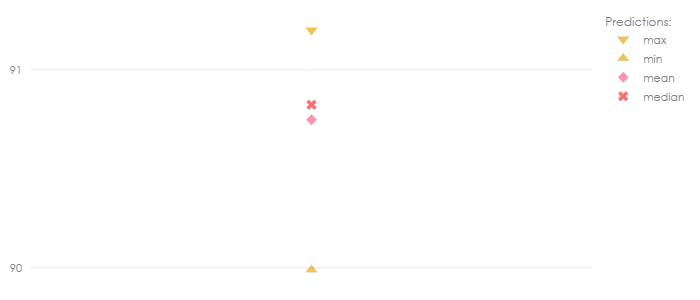
rating: 93.9
The ‘Cru Bourgeois’ classification has a history as rich as the wines it represents, dating back to the Middle Ages. The term originated from the ‘bourgeois’ – the merchants and craftsmen of the ‘bourg’ of Bordeaux, who acquired the region’s finest vineyards. In 2020, the classification was revitalized into a three-tier quality-based system: Cru Bourgeois, Cru Bourgeois Supérieur, and Cru Bourgeois Exceptionnel.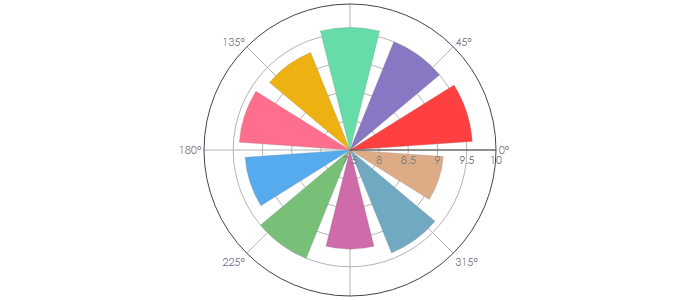
 © The WineStatistics ratings are based solely on our own knowledge of the world of wine and on our personal wine tastes, which may, or may not, differ from yours – the reader. Just remember that there are no absolutes of right and wrong in wine appreciation. Cheers!
Make a one-time donation
Make a monthly donation
Make a yearly donation
Choose an amount
Or enter a custom amount
WineStatistics is a non-profit community. We produce independent and highly detailed wine reviews.
By training ourselves to stop, take a breath, and pay attention to the subtle elements that distinguish one wine from any other, we learn an important lesson about life – that it’s worth taking the time to slow down and appreciate things that pleases us, from a glass of wine to a great work of art. It’s a simple way to learn to appreciate the little things in life that may in some small way enhance our enjoyment of every day.
In order to continue our work we need support from people like you. People who appreciate our contribution in spreading wine knowledge and raising wine awareness across the borders.
You may now support us by contributing with a one-time donation so that we can review even more wines.
WineStatistics is a non-profit community. We produce independent and highly detailed wine reviews.
By training ourselves to stop, take a breath, and pay attention to the subtle elements that distinguish one wine from any other, we learn an important lesson about life – that it’s worth taking the time to slow down and appreciate things that pleases us, from a glass of wine to a great work of art. It’s a simple way to learn to appreciate the little things in life that may in some small way enhance our enjoyment of every day.
In order to continue our work we need support from people like you. People who appreciate our contribution in spreading wine knowledge and raising wine awareness across the borders.
You may now support us by contributing with a monthly donation so that we can review even more wines.
WineStatistics is a non-profit community. We produce independent and highly detailed wine reviews.
By training ourselves to stop, take a breath, and pay attention to the subtle elements that distinguish one wine from any other, we learn an important lesson about life – that it’s worth taking the time to slow down and appreciate things that pleases us, from a glass of wine to a great work of art. It’s a simple way to learn to appreciate the little things in life that may in some small way enhance our enjoyment of every day.
In order to continue our work we need support from people like you. People who appreciate our contribution in spreading wine knowledge and raising wine awareness across the borders.
You may now support us by contributing with a yearly donation so that we can review even more wines.
 WineStatistics