CHATEAU HAUT ROUDIER | Bordeaux Supérieur | 2023
merlot | cabernet sauvignon

 © We will be evaluating wines in no particular order on no particular schedule. Just stay tuned and you will never miss our reviews. If the wine is tasted more than once, the rating table will be updated so as to reflect all the new impressions and observations. We hope you will enjoy it!

The Maison Noble family estate, home to Château Haut-Roudier, traces its origins several centuries back, appearing on the first map of France in 1756 during the reign of King Louis XV. This legacy speaks volumes about its deep roots in Bordeaux winemaking. Since 1993, the Milhade family has overseen the distribution of this historic wine house, upholding the tradition of crafting wines that offer exceptional value while embodying the authentic spirit of Bordeaux wine region. Today we are going to review a ‘right bank‘ blend from the world’s famous Bordeaux wine region – Bordeaux Supérieur 2023 by Château Haut-Roudier. This wine is a blend composed of 80% merlot (also known locally as merlot noir), and 20% cabernet sauvignon, where merlot forms the wine’s main body and structure, whereas cabernet sauvignon adds color depth, tannins extract and builds a more robust mid-palate, thus enhancing the wine’s overall complexity. The grapes are sourced from vineyards planted mostly across three different soil types: gravelly sand, which yields elegant wines, clay-gravel, contributing intense aromatics, and clay-limestone, which imparts powerful tannins. The winemaking process is traditional, involving pump-overs during a three-week cold maceration to extract color and aromatics without harsh tannins. This is followed by a three-week fermentation in controlled temperature stainless steel tanks to preserve the fruit’s vibrancy. The wine is then aged for 9 months in new and used french oak casks and cement vats, which allows for subtle micro-oxygenation and fine tannin extractions without overwhelming the final blend with intrusive oak-derived flavors. The Supérieur designation in a Bordeaux wine highlights more strict aging requirements and higher alcohol content, ensuring a wine of greater complexity and longevity.

Bordeaux is the world’s most influential wine region, defined by a temperate maritime climate with mild winters, moderate summers, and regular rainfall that supports long and even ripening. The region is shaped by the Gironde estuary and its tributaries, the Garonne and Dordogne rivers, which moderate temperatures and reduce frost risk. Bordeaux’s soils are highly varied, ranging from gravel, sand, and limestone, to clay-rich formations, allowing different grape varieties to thrive in distinct zones. Cabernet Sauvignon, Merlot, Cabernet Franc, Petit Verdot, and Malbec are all at home here, dominating red wine production, while Sauvignon Blanc, Sémillon, and Muscadelle form the backbone of the region’s whites.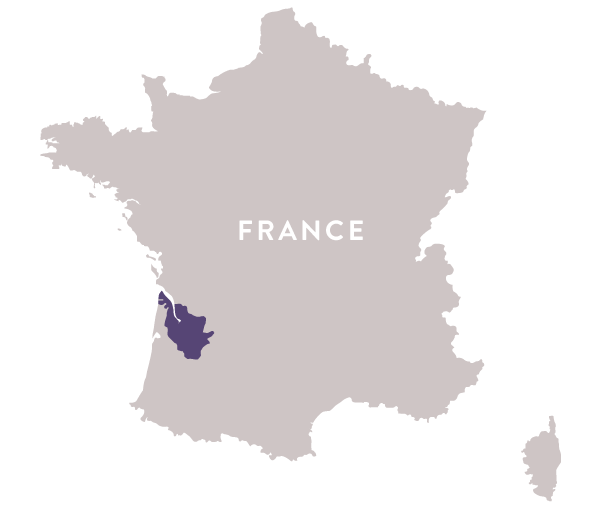 The generic Bordeaux appellation covers the entire wine region, encompassing vineyards on both banks of the Gironde river and its tributaries, the Garonne and Dordogne, as well as the land between them. Its broad geographical area includes an extraordinary diversity of climates, soils, and vineyard landscapes, from gravelly and sandy soils to clay and limestone, allowing a wide range of grape varieties to thrive. The appellation produces red, white, rosé, clairet, and sweet wines, with red wines typically based on Merlot, Cabernet Sauvignon, and Cabernet Franc, while Sauvignon Blanc, Sémillon, and Muscadelle dominate the whites. Bordeaux wines are generally designed to express the region’s classic balance of ripe fruit, freshness, structure, and moderate tannic grip, offering an accessible introduction to the classic wine style that made Bordeaux famous worldwide.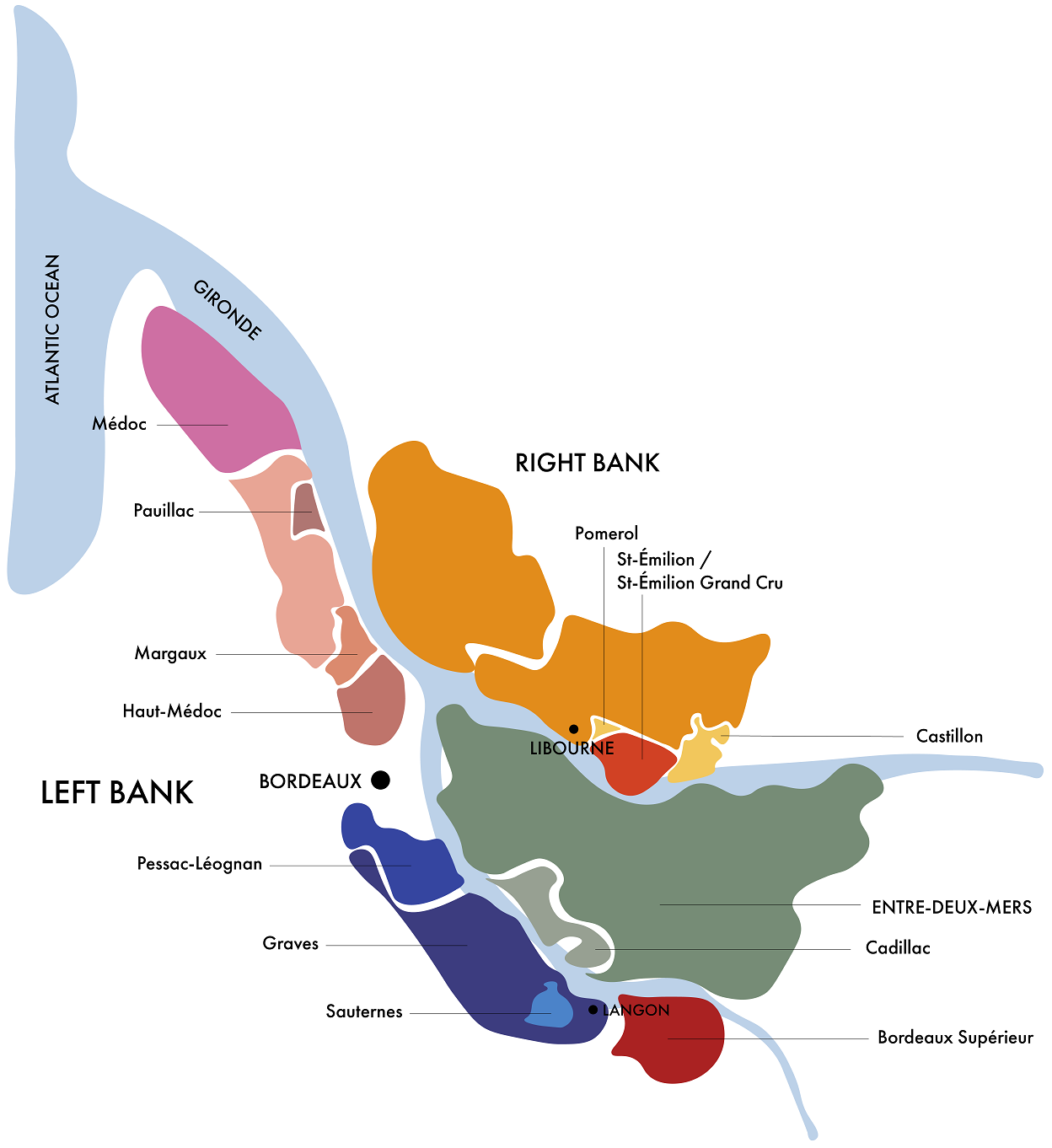

color: medium-deep ruby color
clarity: hazy garnet shades at the rim
In the glass, the wine presents a medium-deep ruby color that extends elegantly to its core, hinting at its concentration and youthful vibrancy, while towards the rim of the glass, the color transitions into hazy garnet shades.

intensity: rich & expressive
fruit character: ripe & jammy
The aromatic profile is rich and expressive, offering a ripe and slightly jammy fruit character. A generous wave of dark fruits dominates the foreground, featuring notes of blackcurrant, bitter cherry, prune, mulberry, blackberry, cassis, and aronia berry. These are beautifully interwoven with delightful nuances of blackberry, blackcurrant, and mulberry jams, adding a layer of sweet opulence. Elegant hints of liquorice and new leather adds aromatic sophistication. As the wine breathes, a complex spicy-oaky background emerges, revealing alluring notes of tobacco, peppercorn, anise, cloves, a whisper of nutmeg, and the essence of toasted oakwood. This intricate bouquet is beautifully grounded by an earthy foundation of pencil lead, dust, and crushed granite, all harmonized by sweet touches of dried figs and dates that provide an intriguing warmth to the overall aromatic experience.

sweetness: dry | acidity: high | alcohol: medium+ | tannin: high | balance: good
finish: medium+ | aftertaste: crisp
On the palate, this blend unfolds with an ample, round, and voluptuous character, delivering a crisp yet rich mouthfeel. It feels dry, supported by a vibrant acidity that provides refreshing lift and ensures excellent balance throughout the tasting experience. A nicely integrated touch of alcoholic warmth adds depth and body without ever overpowering the fruit. The tannins are ripe and fine-grained, creating a firm yet supple structure that is both present and remarkably approachable, contributing to a smooth texture. The finish is crisp and lingers gracefully, showcasing the wine’s inherent quality and careful craftsmanship. This wine beautifully balances its opulent, fruity-expressive character with a subtle touch of oak-derived elegance, presenting a classic Bordeaux profile that prioritizes generosity and fruit expression.

maturity: developing | drink today or age for at another 2 to 3 years
verdict: fine | an excellent wine | a wine of premium quality with good potential
Overall, this is an expressive Bordeaux blend with a nuanced, fruit-forward profile that is complemented by a subtle, terroir-driven earthiness. It presents as a crisp wine with a harmonious and well-structured mouthfeel that is both rich and voluptuous. While its oaky-spicy accents frame the fruit expression, emphasizing a genuine Bordeaux appeal, it offers a well-balanced and round experience overall. There is a touch of appealing phenolic seediness and alcoholic warmth that underscores its youthful vigor and adds to its complexity. This wine is all about fruit and judicious oak integration, showcasing an ample and vibrant character with unmistakable Merlot-based Bordeaux opulence. While crisp and appealing, it perhaps lacks some of the ultimate finesse and intricate elegance seen in the most prestigious examples from Bordeaux. Currently still developing, it holds some promise to evolve further, with its fine-grained tannins suggesting that cellaring it for another 2 to 3 years will allow it to integrate more fully and gain greater aromatic sophistication and textural harmony.

Given its ripe dark fruit, fine-grained tannins and a touch of spicy oakiness, this wine calls for dishes with substance. For a complementary pairing that would highlight its fruity nuance, consider a slow-braised lamb shank with rosemary and garlic, where the richness of the lamb will beautifully soften the wine’s tannins, while the aromatic herbs will echo the wine’s spicy undertones. For something a little more adventurous, pair it with a wild mushroom and truffle risotto, with the deep umami and earthy notes of the dish resonating beautifully with the wine’s subtle terroir-driven hints. Cheers! CHATEAU HAUT ROUDIER | Bordeaux Supérieur | 2023
variety: merlot | cabernet sauvignon
country: France
region: Bordeaux
rating: 93.3
The Maison Noble family estate, which produces Château Haut-Roudier, is one of Bordeaux’s oldest vineyards, appearing on France’s first official wine map commissioned by King Louis XV in 1756. Château Haut-Roudier is situated on Bordeaux’s east bank, near the satellite appellations of Saint-Emilion, where the slightly cooler climate and heavy clay soils create ideal conditions for Merlot grape variety. This explains why Merlot dominates their blend, contributing to its characteristically rich and supple style. The vines themselves are quite venerable, averaging 65 years of age, which provides concentration and depth.


 © The WineStatistics ratings are based solely on our own knowledge of the world of wine and on our personal wine tastes, which may, or may not, differ from yours – the reader. Just remember that there are no absolutes of right and wrong in wine appreciation. Cheers!
Make a one-time donation
Make a monthly donation
Make a yearly donation
Choose an amount
Or enter a custom amount
WineStatistics is a non-profit community. We produce independent and highly detailed wine reviews.
By training ourselves to stop, take a breath, and pay attention to the subtle elements that distinguish one wine from any other, we learn an important lesson about life – that it’s worth taking the time to slow down and appreciate things that pleases us, from a glass of wine to a great work of art. It’s a simple way to learn to appreciate the little things in life that may in some small way enhance our enjoyment of every day.
In order to continue our work we need support from people like you. People who appreciate our contribution in spreading wine knowledge and raising wine awareness across the borders.
You may now support us by contributing with a one-time donation so that we can review even more wines.
WineStatistics is a non-profit community. We produce independent and highly detailed wine reviews.
By training ourselves to stop, take a breath, and pay attention to the subtle elements that distinguish one wine from any other, we learn an important lesson about life – that it’s worth taking the time to slow down and appreciate things that pleases us, from a glass of wine to a great work of art. It’s a simple way to learn to appreciate the little things in life that may in some small way enhance our enjoyment of every day.
In order to continue our work we need support from people like you. People who appreciate our contribution in spreading wine knowledge and raising wine awareness across the borders.
You may now support us by contributing with a monthly donation so that we can review even more wines.
WineStatistics is a non-profit community. We produce independent and highly detailed wine reviews.
By training ourselves to stop, take a breath, and pay attention to the subtle elements that distinguish one wine from any other, we learn an important lesson about life – that it’s worth taking the time to slow down and appreciate things that pleases us, from a glass of wine to a great work of art. It’s a simple way to learn to appreciate the little things in life that may in some small way enhance our enjoyment of every day.
In order to continue our work we need support from people like you. People who appreciate our contribution in spreading wine knowledge and raising wine awareness across the borders.
You may now support us by contributing with a yearly donation so that we can review even more wines.
