COTNARI MILLESIME | Francusa | 2018
francusa

 © We will be evaluating wines in no particular order on no particular schedule. Just stay tuned and you will never miss our reviews. If the wine is tasted more than once, the rating table will be updated so as to reflect all the new impressions and observations. We hope you will enjoy it!

Casa de Vinuri Cotnari, with roots tracing back to the reign of Stephen the Great, stands as one of Romania’s most historically significant wineries, particularly renowned for its exceptional sweet and sparkling wines. With the Millesime collection, the winery embarks on an ambitious journey to showcase the outstanding potential of its indigenous grape varieties in the realm of traditional method sparkling wines. This wine line represents a profound commitment to artisanal craftsmanship, producing limited-edition sparkling wines that pay homage to the Cotnari vineyard’s rich legacy and unique terroir. 
Today we are going to review a mesmerizing sparkling wine from eastern Romania, more precisely from the famous Cotnari vineyards of Moldova wine region – Cotnari Millesime Francusa 2018 by Casa de Vinuri Cotnari. This particular wine is adorned with captivating artwork by the celebrated romanian artist Georges Mazilu, symbolizing a beautiful fusion of viticultural excellence and artistic expression. The wine is crafted entirely from francusa grapes, and is produced by the authentic méthode traditionelle technique (also known as metodo classico or the champenoise method), the same way the famous Champagne wines are made in France, with a long period of second fermentation in the bottle, where the wine spends a staggering 64 months on fine lees (sur lie ageing), followed by an additional 2 months of refinement after disgorgement, which allowed it to develop an extra layer of aromatic complexity and the much desired creaminess on the palate.
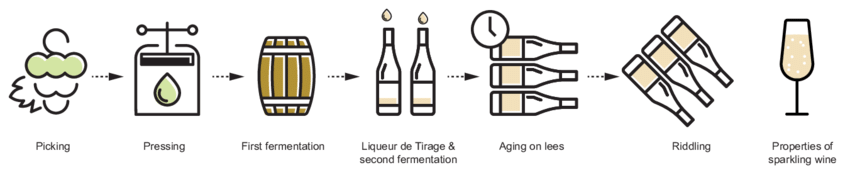
When it comes to sparkling wines, not all of them are created the same way. One of the key differences lies in how the bubbles are formed, specifically, whether the wine undergoes its second fermentation in the bottle (traditional method) or in large pressurized tanks (tank method, also known as charmat method). In the tank method the secondary fermentation happens in stainless steel tanks rather than individual bottles. This process is quicker, more cost-effective, and preserves the wine’s vibrant fruit character and freshness. The result is a more aromatic, easy-drinking sparkling wine with crisp acidity and minimal yeasty complexity (think of Prosecco). On the other hand, the traditional method is a more time-intensive process, as the second fermentation happens in the bottle, where the wine also ages on the fine lees (the dead yeast particles) for extended periods, from several months to several years. This slow aging builds extra layers of complexity on the nose and creates a creamy textures on the palate (think of classic sparkling wines like Champagne, Cava, or Franciacorta).
Francusa (spelled frâncușă) is an ancient romanian white grape variety that has been cultivated for centuries in the historic Cotnari vineyard of Moldova, where it remains one of the region’s four traditional indigenous grapes alongside Grasă de Cotnari, Fetească Albă, and Tămâioasă Românească. Unlike its sweeter companions, Frâncușă is best known for producing dry, lively white wines, distinguished by their freshness and elegant character. Naturally vigorous and productive, the variety adapts well to drought but is sensitive to severe winter frosts and powdery mildew, while its ability to retain acidity even in warm vintages makes it particularly well suited to the rolling hills of Cotnari. The wines are typically pale yellow in color with greenish reflections and display delicate aromas of white flowers, green apple, citrus, and subtle herbal notes. Although frâncușă has traditionally played a supporting role in blends, lately producers have recognized its potential as a varietal wine and even as a base for high quality sparkling wines, where its vibrant acidity shines. Produced almost exclusively in its native region and rarely encountered elsewhere, frâncușă remains one of Romania’s hidden viticultural treasures, offering an authentic expression of the country’s winemaking heritage.

The Moldova wine region, stretching between the Eastern Carpathians and the Prut River, is the country’s largest viticultural area. Its temperate-continental climate is characterized by warm summers, cold winters, and long autumns that allow grapes to ripen gradually while preserving freshness and aromatic complexity. The region’s rolling hills provide favorable sun exposure and natural air circulation, while soils vary from fertile chernozem and clay-loam to limestone-rich and sandy deposits, creating a diverse range of terroirs. Moldova is particularly renowned for its aromatic white varieties, including Fetească Albă, Fetească Regală, and Grasă de Cotnari, as well as increasingly successful plantings of international grape varieties such as Sauvignon Blanc and Chardonnay. Cotnari sub-region, situated in the northwestern part of the Moldova, is one of Romania’s oldest and most prestigious wine-growing areas. Protected by surrounding hills and forests, this small region benefits from a unique microclimate characterized by warm summers, long autumns, and frequent morning mists that favor slow ripening and, in suitable vintages, the development of noble rot. Vineyards are planted on gentle slopes at elevations generally ranging between 150 and 300 m above sea level, on soils composed primarily of clay, marl, sandstone, and limestone-rich deposits that provide both water retention and mineral complexity. Cotnari is particularly famous for its indigenous grape varieties, including Grasă de Cotnari, Frâncușă, Fetească Albă, and Tămâioasă Românească, which thrive in these conditions. The wines are known for their aromatic intensity, vibrant acidity, and remarkable longevity, ranging from fresh and elegant dry wines to the region’s legendary sweet wines, whose richness and complexity have earned Cotnari a place among Europe’s most prolific wine terroirs.

color: medium-deep yellow color
clarity: straw-yellow hues at the rim
The wine presents a lovely straw yellow color, shimmering with delicate pale yellow shades at the rim of the glass. A persistent stream of fine, elegant bubbles rises steadily from the base of the flute, forming a delicate and creamy mousse at the surface.

intensity: rich & citrusy
fruit character: ripe
The aromatic profile is rich and captivating with a pronounced intensity. It opens with a vibrant citrusy character that dominates the foreground, offering an invigorating burst of fresh lemon, pomelo, and white grapefruit. These aromas are seamlessly intertwined with elegant orchard fruit notes, reminiscent of white apple, nashi pear, and mirabelle plums. As the wine breathes and opens up, a sophisticated background of autolytic hints emerges, a direct result of its extensive aging on fine lees, with notes of freshly baked baguette, brioche, and a touch of creamy butter. Subtle herbaceous undertones of dried straw and fresh wheat add an extra layer of complexity, creating an evolving bouquet that is both invigorating, intriguing, and deeply rewarding.

sweetness: dry | acidity: high | alcohol: medium+ | tannin: none| balance: good
finish: medium+ | aftertaste: crisp
The palate mirrors the nose with a crisp and refreshing character, delivering a zesty and fresh mouthfeel. This is a bone-dry sparkling wine, with exuberant aciditythat provides a lively backbone. With a lean and ample body, the wine has a nicely integrated touch of alcoholic warmth that contributes to a harmonious and rounded mouthfeel without ever overpowering the wine’s delicate nuances. This wine displays a very good varietal typicity of the Francusa grape variety, expressing its inherent freshness and vibrant citrus core, subtly interwoven with mineral hints. The finish is long and culminates in a wonderfully crisp and invigorating aftertaste, leaving an enduring impression of purity, vitality, and a desire for another sip.

maturity: developing | drink now or within the next 3 to 4 years
verdict: fine | an excellent wine | a wine of premium quality with good ageing potential
All in all, this is a truly memorable sparkling wine that showcases the immense potential of indigenous romanian grapes in traditional method sparkling production. It feels zingy, nicely structured, and well-balanced, offering a delightful interplay of primary citrus and orchard fruit, complemented by subtle autolytic complexity. Currently, the wine is in a developing stage, and while it delivers immense pleasure today with its vibrant freshness, its inherent structure and vitality suggest a promising future. Although perhaps not possessing the overt and creamy elegance sometimes associated with Grand Cru Champagne, this wine still offers an authentic charm and a unique interpretation of traditional method sparkling. We highly recommend aging it for an additional 3 to 4 years to allow its complexity to further unfold, revealing even deeper layers of tertiary aromas and a more profound textural richness.

Given its exuberant acidity and those pronounced citrusy notes, this sparkling wine would make an incredibly versatile food companion. It would create a delightful contrast with the richness of pan-seared mahi-mahi fillets, where the wine’s zesty character would cut through the fish’s texture, cleansing the palate. For an exquisite wow-effect, consider serving it alongside raw red shrimp or a platter of briny oysters, so that the wine’s invigorating crispness would counter-balance the natural saltiness of the seafood. Cheers! COTNARI MILLESIME | Francusa | 2018
variety: francusa
country: Romania
region: Moldova | Cotnari
rating: 93.7
The Millesime collection was launched originally under the theme “The Art of Champagne, Champagne as Art”. While mass-market sparkling wines are often released early, this one took a massive test of patience, as it spent a staggering 64 months (more than 5 years) aging on fine lees inside the bottle before it was finally disgorged. To celebrate the sheer patience of this project, the entire Millesime collection was officially debuted in late 2024 at an exclusive event held inside Romania’s famous Artmark Auction House in Bucharest. It was designed to blur the line between elite romanian viticulture and fine gallery art.
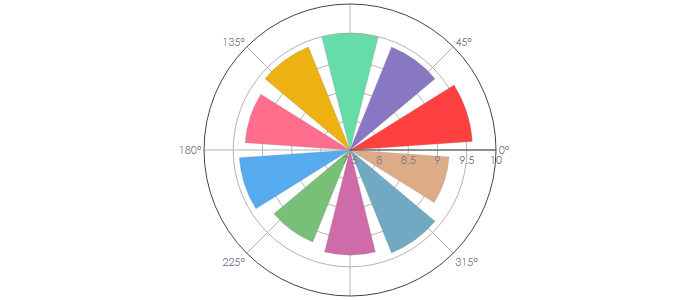
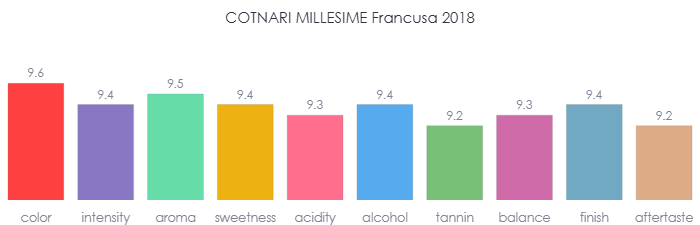
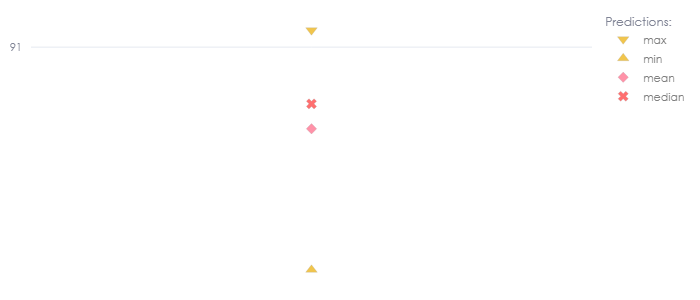
 © The WineStatistics ratings are based solely on our own knowledge of the world of wine and on our personal wine tastes, which may, or may not, differ from yours – the reader. Just remember that there are no absolutes of right and wrong in wine appreciation. Cheers!
Make a one-time donation
Make a monthly donation
Make a yearly donation
Choose an amount
Or enter a custom amount
WineStatistics is a non-profit community. We produce independent and highly detailed wine reviews.
By training ourselves to stop, take a breath, and pay attention to the subtle elements that distinguish one wine from any other, we learn an important lesson about life – that it’s worth taking the time to slow down and appreciate things that pleases us, from a glass of wine to a great work of art. It’s a simple way to learn to appreciate the little things in life that may in some small way enhance our enjoyment of every day.
In order to continue our work we need support from people like you. People who appreciate our contribution in spreading wine knowledge and raising wine awareness across the borders.
You may now support us by contributing with a one-time donation so that we can review even more wines.
WineStatistics is a non-profit community. We produce independent and highly detailed wine reviews.
By training ourselves to stop, take a breath, and pay attention to the subtle elements that distinguish one wine from any other, we learn an important lesson about life – that it’s worth taking the time to slow down and appreciate things that pleases us, from a glass of wine to a great work of art. It’s a simple way to learn to appreciate the little things in life that may in some small way enhance our enjoyment of every day.
In order to continue our work we need support from people like you. People who appreciate our contribution in spreading wine knowledge and raising wine awareness across the borders.
You may now support us by contributing with a monthly donation so that we can review even more wines.
WineStatistics is a non-profit community. We produce independent and highly detailed wine reviews.
By training ourselves to stop, take a breath, and pay attention to the subtle elements that distinguish one wine from any other, we learn an important lesson about life – that it’s worth taking the time to slow down and appreciate things that pleases us, from a glass of wine to a great work of art. It’s a simple way to learn to appreciate the little things in life that may in some small way enhance our enjoyment of every day.
In order to continue our work we need support from people like you. People who appreciate our contribution in spreading wine knowledge and raising wine awareness across the borders.
You may now support us by contributing with a yearly donation so that we can review even more wines.
