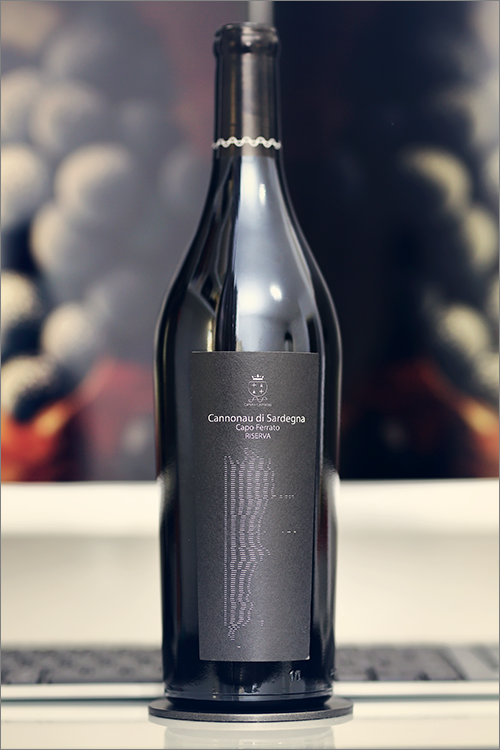
CANTINA CASTIADAS | Cannonau di Sardegna | Capo Ferrato Riserva | 2020
grenache
 © We will be evaluating wines in no particular order on no particular schedule. Just stay tuned and you will never miss our reviews. If the wine is tasted more than once, the rating table will be updated so as to reflect all the new impressions and observations. We hope you will enjoy it!

Founded in 1959, Cantina Castiadas embodies the enduring spirit and rich winemaking heritage of south-eastern Sardinia. Located in an area that was historically part of the Giudicato of Cagliari, the winery is deeply rooted in sardinian tradition. Their philosophy is simple yet profound: the quality of the wines originates from the earth itself, producing grapes of exceptional quality that are capable to reflect the richness of Sardinia’s unique terroir. Today we are going to review a remarkable wine from the beautiful island of Sardinia, which is one of Italy‘s most famous wine regions – Cannonau di Sardegna Capo Ferrato Riserva 2020 by Cantina Castiadas. Made entirely of cannonau grapes (the local name for the garnacha/grenache grape variety), this wine is the purest expression of Sardinia‘s flagship red grape, which has the same DNA as spanish garnacha and french grenache. Sourced from vineyards located in the municipalities of Castiadas, Muravera, and San Vito within the notorious Capo Ferrato area, tonight’s wine reflects the grape’s profound character when cultivated in its ancestral home. The winemaking process was meticulously crafted to honor both the grape and the island’s mediteranian terroir: after destemming and crushing, the must was fermented at low temperatures, followed by a period of extended maceration, in order to ensure deep color and rich flavor extraction. The final wine has been then aged for 12 months in stainless steel tanks, followed by 18-24 months of oak ageing in 10-hectoliter slavonian casks, and a minimum of 6 months of bottle ageing before it was deemed ready for the market release.
Until recently, grenache has been ignored in much of the world, even though it’s the grape variety that is responsible for two of the world’s more famous red wines: Châteauneuf-du-Pape and a more recent star Priorat. The main two reasons of the world’s ignorance towards grenache was that it tends to be over-productive when poorly managed and, as thus, it was widely planted in hot regions where cheap bulk wine was the main target (mostly in northern Spain, where it is known as garnacha). In fact grenache was the second most planted grape variety in the world after the infamous airén. But, if carefully managed, garnacha can produce very intense, vibrant and expressive red wines, especially when made of grapes that are sourced from old bush vines. With its upright growth and strong, sturdy trunk, grenache is well suited to being grown as a water-seeking bush vine in hot and windy regions, its only disadvantage is its predilection to set relatively little fruit, which means all the more flavour in the grapes that remain.
Wines labelled as Riserva has more strict ageing requirements, with a minimum of 2 years of ageing before release, resulting in wines of greater complexity, with more velvety tannins, and extended ageing potential. Cannonau di Sardegna represents one of Italy’s finest expressions of the grenache grape variety, combining mediterranean allure with remarkable finesse and longevity.

Sardinia is Italy’s second-largest island and is defined by its rugged landscapes, abundant sunshine, and strong maritime influence, making it one of the Mediterranean’s most distinctive wine regions. The island enjoys a warm Mediterranean climate with long, dry summers, mild winters, and persistent coastal winds, most notably the Mistral winds, which moderate temperatures, reduce vine diseases, and prolong the ripening season. Sardinia’s diverse soils vary from granite, limestone and schist, to sandstone and sandy soils, many of which are poor and well drained, naturally limiting vine vigor and concentrating flavour in the grapes. The island is home to a wealth of indigenous grape varieties, with Cannonau being the island’s flagship grape, alongside Carignano, Monica, Vermentino, and Nuragus.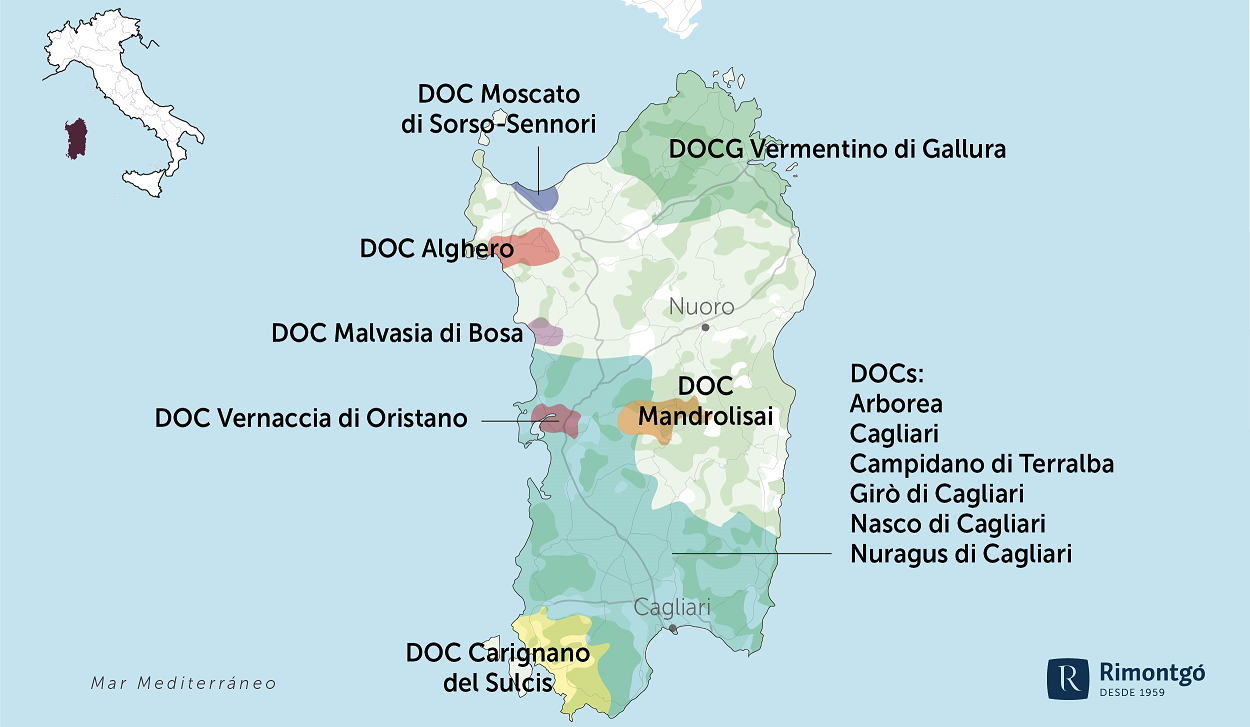 The Cannonau di Sardegna DOC covers much of the island, although many of its finest expressions originate from the rugged eastern and southeastern hills, where poor granite soils and elevated vineyards produce wines of exceptional character. Areas such as Capo Ferrato, located along Sardinia’s southeastern coast, benefit from constant sea breezes, abundant sunshine, and rocky granite-rich soils that encourage low yields and slow, even ripening. These conditions allow Cannonau (the local name for Grenache/Garnacha grape variety) to develop concentrated flavours while retaining surprising freshness and aromatic elegance.

color: medium-deep garnet color
clarity: hazy & noble garnet hues
In the glass, the wine presents a medium-deep garnet color, offering a classic Cannonau/Garnacha appearance. Towards the rim of the glass, hazy garnet shades emerge, hinting at its maturity and rich concentration within.

intensity: rich & elegant
fruit character: ripe & dehydrated
On the nose, the wine feels rich and elegant, revealing a multi-layered and complex aromatic profile. It balances a ripe to dehydrated fruit character with distinctive Mediterranean herbs and beautifully integrated oak-derived undertones. The foreground displays a vibrant array of red fruits, with notes of dried red cherry, dried cranberry, redcurrant, red plum, and a hint of pomegranate, lending both freshness and depth. These fruit notes are elegantly intertwined with a sophisticated oaky-spice medley, showcasing notes of cloves, vanilla, toasted oakwood, sweet tobacco, nutmeg, and anise, further enhanced by subtle hints of red pepper and sun-dried oak, contributing warmth and complexity. As the wine breathes and evolves, the background unveils fragrant Mediterranean herbs, including elegant notes of bay leaf and oregano, providing a refreshing, herbaceous lift. This is all harmoniously complemented by an oily-rich touch of balsamic vinegar, adding an intriguing savory dimension that invites further exploration.

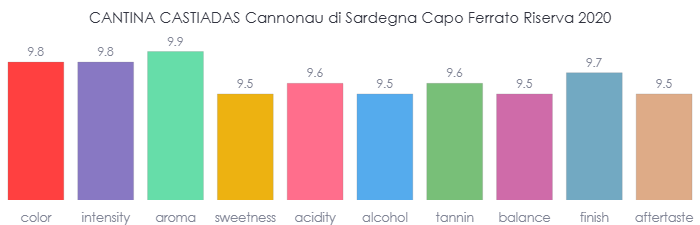
sweetness: dry | acidity: high | alcohol: high | tannin: high | balance: fine
finish: lasting | aftertaste: crisp & elegant
On the palate, the wine reveals a rich and elegant mouthfeel that feels crisp and warm, showcasing amazing complexity. The wine tastes bone-dry, driven by a bright, mouth-watering acidity that provides remarkable vibrancy and lift, preventing any sense of headiness. A noticeable touch of alcoholic warmth is nicely integrated, adding structure and depth without being overpowering. The tannins are ripe and velvety-seedy, coating the mouth with a fine-grained texture that speaks to the wine’s significant aging potential. This wine achieves a delicate balance between its plush, dehydrated fruit character and its distinct, terroir-driven dustiness, almost savory in its minerality. It truly maintains that exquisite equilibrium, delivering noble oakiness without overshadowing the fruit. The richness and elegance continue through to a long and persistent finish, culminating in a warm, complex, and inviting aftertaste.

maturity: in its prime | drink now or within the next 2 to 3 years
verdict: excellent | a reference wine | a wine that can reach into the realm of perfection
Overall, this is a blueprint Cannonau wine – the epitome of a modern Grenache with that unmistakable old-world charm. It flawlessly delivers the richness of its fruit alongside a profound footprint of its place of origin. This is a complex and remarkably well-structured wine, showcasing amazing varietal typicity for the Garnacha grape – a wine that offers both depth and elegance. It feels rich and crisp, with an elegant balsamic touch and an evocative Mediterranean herbal touch – one can almost feel the coastal influence in the glass. The use of oak is elegant and well integrated, accentuating rather than dominating, making this wine a true benchmark for the Riserva category: elegant, warm, and rich. Harmonious and impeccably balanced, this is arguably the finest Cannonau di Sardegna wine we have tasted to date- Cannonau might just be the ultimate expression of the Grenache grape variety. The wine is in its prime, ready to be enjoyed today or within the next 2 to 3 years. Our recommendation would be to savour it sooner rather than later, as it is always better to drink a wine a year too soon, than a day too late.

Due to the wine’s rich complexity and elegant structure, it calls for a pairing that can stand up to its depth while complementing its unique character. Consider a traditional sardinian dish like ‘Porceddu’ (slow-roasted suckling pig). The wine’s bright acidity will cut through the richness and succulence of the crispy-skinned pork, while its distinct notes of Mediterranean herbs and subtle balsamic undertones will harmoniously complement the aromatic herbs and earthy flavors of the dish. The wine’s velvety tannins and warm alcohol will embrace the tender meat, creating a congruent pairing that is quintessentially sardinian and utterly delightful. Enjoy! CANTINA CASTIADAS | Cannonau di Sardegna | Capo Ferrato Riserva | 2020
variety: grenache
country: Italy
region: Sardinia | Cannonau di Sardegna
rating: 96.4
Cannonau is the local name for the Grenache/Garnacha grape – a varietal that has found an extraordinary home on the sun-drenched island of Sardinia, expressing itself with a unique intensity and terroir-driven character. The area where Cantina Castiadas is located holds a deep historical significance, having been part of the ancient Giudicato of Cagliari and its administrative subdivisions known as curatorates – Sarrabus, Colostrai, and Gerrei – from the 9th to the 15th centuries. This rich historical tapestry underscores the centuries-old winemaking tradition and the deep connection of the local people to their land. 
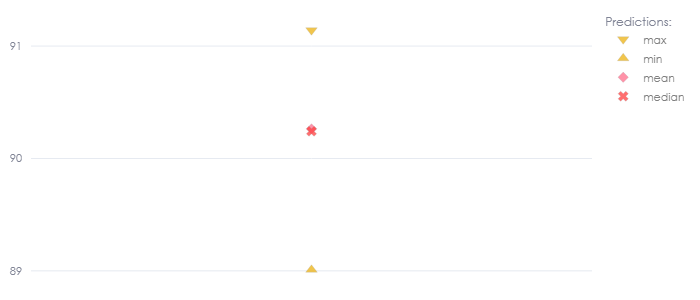
 © The WineStatistics ratings are based solely on our own knowledge of the world of wine and on our personal wine tastes, which may, or may not, differ from yours – the reader. Just remember that there are no absolutes of right and wrong in wine appreciation. Cheers!
Make a one-time donation
Make a monthly donation
Make a yearly donation
Choose an amount
Or enter a custom amount
WineStatistics is a non-profit community. We produce independent and highly detailed wine reviews.
By training ourselves to stop, take a breath, and pay attention to the subtle elements that distinguish one wine from any other, we learn an important lesson about life – that it’s worth taking the time to slow down and appreciate things that pleases us, from a glass of wine to a great work of art. It’s a simple way to learn to appreciate the little things in life that may in some small way enhance our enjoyment of every day.
In order to continue our work we need support from people like you. People who appreciate our contribution in spreading wine knowledge and raising wine awareness across the borders.
You may now support us by contributing with a one-time donation so that we can review even more wines.
WineStatistics is a non-profit community. We produce independent and highly detailed wine reviews.
By training ourselves to stop, take a breath, and pay attention to the subtle elements that distinguish one wine from any other, we learn an important lesson about life – that it’s worth taking the time to slow down and appreciate things that pleases us, from a glass of wine to a great work of art. It’s a simple way to learn to appreciate the little things in life that may in some small way enhance our enjoyment of every day.
In order to continue our work we need support from people like you. People who appreciate our contribution in spreading wine knowledge and raising wine awareness across the borders.
You may now support us by contributing with a monthly donation so that we can review even more wines.
WineStatistics is a non-profit community. We produce independent and highly detailed wine reviews.
By training ourselves to stop, take a breath, and pay attention to the subtle elements that distinguish one wine from any other, we learn an important lesson about life – that it’s worth taking the time to slow down and appreciate things that pleases us, from a glass of wine to a great work of art. It’s a simple way to learn to appreciate the little things in life that may in some small way enhance our enjoyment of every day.
In order to continue our work we need support from people like you. People who appreciate our contribution in spreading wine knowledge and raising wine awareness across the borders.
You may now support us by contributing with a yearly donation so that we can review even more wines.
