HERDADE DA FARIZOA | Gaião | Reserva | Portugal | 2020
alicante bouschet | trincadeira | touriga nacional

 © We will be evaluating wines in no particular order on no particular schedule. Just stay tuned and you will never miss our reviews. If the wine is tasted more than once, the rating table will be updated so as to reflect all the new impressions and observations. We hope you will enjoy it!

Herdade da Farizoa is a distinguished estate nestled in the Borba sub-region of Alentejo of Portugal, with a clear vision – to craft wines that genuinely express the unique character of their land. The estate is dedicated to cultivating some of the region’s most emblematic grape varieties, such as Aragonez, Trincadeira, Alicante Bouschet, and Touriga Nacional. Their philosophy centers on harnessing the rich potential of these grapes, known for producing wines of exceptional quality.
 Today we are going to review a quite intriguing wine from the sun-drenched Alentejo region of Portugal – Gaião Reserva 2020 by Herdade da Farizoa. This wine is a classic portuguese blend, made of the region’s three main grape varieties: alicante bouschet, trincadeira and touriga nacional, where alicante bouschet, being a teinturier grape, forms the wine’s main body by imparting a deep color and enriching the flavor profile with dark fruit notes, trincadeira enhances the wine’s structure and offers vibrant floral notes and a touch of acidity, whereas touriga nacional is all about depth and concentration, building a more tannic mouthfeel and a more resilient finish.
The grapes were sourced from the sun-drenched vineyards in the the Borba sub-region of Alentejo. The 2020 vintage benefited from the typical hot and dry region’s climate, which ensured optimal ripeness and concentration. The winemaking process involved fermentation and maceration in stainless steel tanks, which preserved the fruit’s integrity, followed by a period of aging in french oak barrels in order to impart subtle, rather than overpowering, oak notes. This was followed by a period of bottle ageing, ensuring the wine had ample time to integrate and harmonize before its market release.

Alentejo, covering nearly one-third of Portugal’s landmass, is one of the largest and most diverse wine regions. It boasts a warm Mediterranean climate with hot and dry summers, coupled with mild winters and abundant sunshine, allowing the grapes to achieve full phenolic ripeness, while higher-altitude areas and cooling Atlantic influences in the west help preserve freshness and acidity. The region’s soils are highly varied, including granite, schist, limestone, clay, and marble-rich formations, creating a mosaic of terroirs that support both indigenous and international grape varieties. Aragonez (Tempranillo), Alicante Bouschet, Trincadeira (Tinta Amarela), and Touriga Nacional are the most planted red varieties, while Antão Vaz, Arinto, and Roupeiro produce expressive white wines. 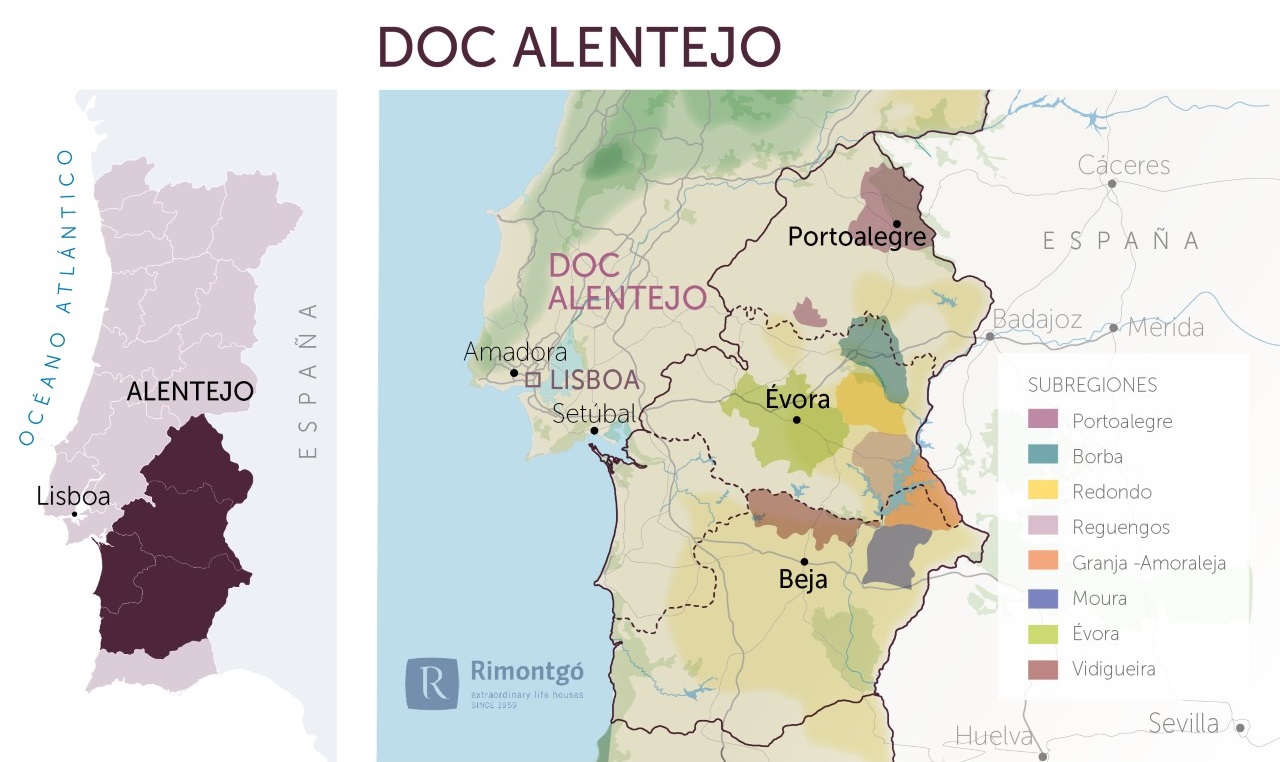
The Borba sub-region, situated in the northeastern part of Alentejo near the Spanish border, is one of the region’s most historic and highly regarded appellations. Its vineyards are planted predominantly on limestone and marble-derived soils, often mixed with clay, providing excellent water retention while naturally regulating vine vigor during the region’s hot, dry summers. The climate is tempered by the nearby Serra d’Ossa hills, whose elevation brings cooler nights and a wider diurnal temperature range, helping preserve acidity and aromatic complexity. Aragonez, Alicante Bouschet, Trincadeira, and Castelão thrive in these conditions, producing structured reds with ripe black fruit, spice, and firm yet polished tannins, while Antão Vaz, Arinto, and Roupeiro yield fresh and velvety whites with notable minerality. Borba is widely regarded as one of Alentejo‘s benchmark terroirs, consistently producing complex and structured wines with a good ageing potential.

color: deep ruby color
clarity: hazy garnet shades
In the glass, the wine displays ruby color that hints at its profound concentration. Towards the rim of the glass, hazy garnet shades emerge, which is a sign of the wine’s youthfulness.

intensity: rich & savory
fruit character: ripe & dehydrated
The nose is rich and surprisingly delicate for a wine of this perceived power. The initial impression is dominated by a ripe and dehydrated fruit character, where black fruits (black plum, blackcurrant, blackberry, and dark cherry) emerge prominently, hinting at the Alentejo’s scorching sun. This fruit core is intertwined with a savory layer, where notes of brown olive, old leather, the metallic tang of iron, and subtle hints of barnyard, speak to its rustic charm. As the aroma unfolds, a sophisticated background emerges, featuring earthy tones of brown soil and pencil lead, these are complemented by oaky-spicy nuances of tobacco, peppercorn, anise, nutmeg, and cloves, all grounded by earthy layers of loam, clay, and marl, contributing to the wine’s complexity.

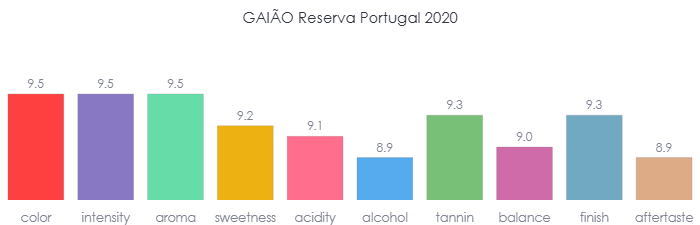
sweetness: bone dry | acidity: medium+| alcohol: high | tannin: high | balance: fair
finish: medium | aftertaste: seedy-astringent
On the palate, the wine immediately asserts its presence with a seedy-angular character that feels rough and unpolished. It delivers a touch of earthy delicacy amidst its bold structure. The mouthfeel feels bone dry, with exuberant acidity which cuts through the wine body with invigorating energy. There’s an overwhelming touch of alcoholic warmth that remains integrated within its powerful framework. The tannins are seedy and firm, contributing to the wine’s structural backbone, offering a very grippy and astringent sensation that demands attention. The wine feels slightly off-balanced due to its youthful vigor, prioritizing raw power and structure over harmony and finesse. The seedy-angular aftertaste is long and persistent, leaving a lingering impression of its robust character and future promise.

maturity: developing | needs more time | drink now or within the next 3 to 5 years
verdict: fine | an excellent wine | a wine of premium quality with good ageing potential
Overall, this is a wine in a development state, a wine that requires more time in the cellar to soften its robust edges. In its current state it feels astringent and sharp. All in all, this is a bold and firm blend with a full body, unapologetically focused more around structure rather than delicacy. While it currently lacks the refined harmony and finesse often found in the more famous blends from Portugal, it undeniably possesses a profound character. This is a muscular and powerful wine, that is more about raw strength than elegance. While it can be enjoyed today by those who appreciate youthful vigour, our recommendation is to drink it within the next 3 to 5 years, allowing it to evolve into a more harmonious and integrated experience. It has immense potential to transform into a truly captivating wine with patience.

Given the wine’s robust structure and savory-earthy undertones, it demands equally hearty and flavorful food companions. It would be an good match for traditional alentejo lamb stew (‘ensopado de borrego‘), where the richness of the lamb and the aromatic herbs would beautifully complement the wine’s muscular profile, softening its tannins. For a bolder choice, consider a slow-roasted prime rib with a black peppercorn crust and rosemary, allowing the succulent fat and intense seasoning to stand up to the wine’s firm grip and alcoholic warmth. Cheers!
 HERDADE DA FARIZOA | Gaião | Reserva | Portugal | 2020
variety: alicante bouschet | trincadeira | touriga nacional
country: Portugal
region: Alentejo | Borba
rating: 92.2

The name Gaião in portuguese refers to the Eurasian Jay (garrulus glandarius), a strikingly colorful, vibrant, and fearless bird that has been admired in Portugal since ancient times. Just like the jay, this wine is designed to leave a vivid, fearless and memorable impression.

© The WineStatistics ratings are based solely on our own knowledge of the world of wine and on our personal wine tastes, which may, or may not, differ from yours – the reader. Just remember that there are no absolutes of right and wrong in wine appreciation. Cheers!
