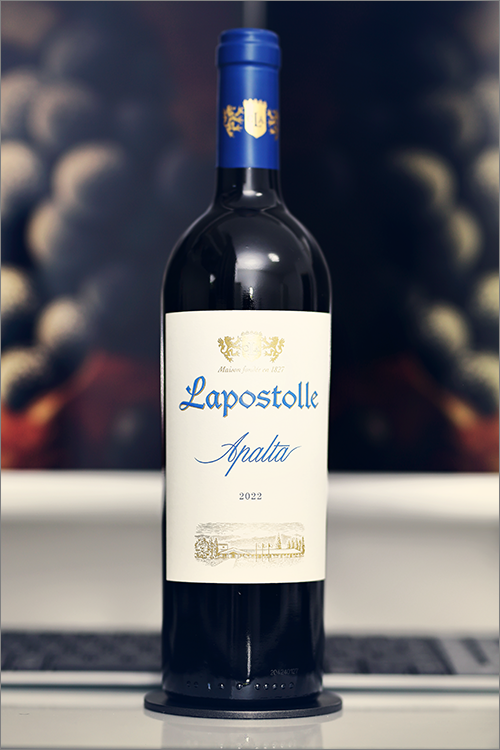
LAPOSTOLLE | Apalta | 2022
cabernet sauvignon | carmenère | syrah | merlot
 © We will be evaluating wines in no particular order on no particular schedule. Just stay tuned and you will never miss our reviews. If the wine is tasted more than once, the rating table will be updated so as to reflect all the new impressions and observations. We hope you will enjoy it!

Founded in 1994 by Alexandra Marnier Lapostolle, a descendant of the esteemed family behind the iconic Grand Marnier liqueur, and her husband Cyril, Lapostolle winery born with the vision to fuse french winemaking expertise with the unique terroir of the Apalta Valley. Under the leadership of Charles de Bournet, the son of the founders and a seventh-generation Bournet-Lapostolle family member, the winery continues its legacy today with a commitment to sustainable practices and meticulous vineyard management, with minimal intervention, shaping the vineyards parcel by parcel to magnify the exceptional terroir of the Apalta Valley. The wine that we are going to review today hardly requires any introduction, as this is one of the most recognizable wine labels from Chile – Apalta 2022 by Lapostolle. This wine is a modern, Bordeaux-style blend made of cabernet sauvignon (60%), carmenère (32%), syrah (5%) and merlot (3%), where cabernet sauvignon forms the wine’s main body and structure, carmenère lends its signature spicy character and some softness on the mouthfeel, syrah adds color depth and the peppery nuance, while merlot delivers up-front richness and roundness on the palate.
The grapes for this wine were sourced from the estate’s vineyards in the Apalta Valley (a relatively cool terroir, located between the Coastal Mountain Range and the Pacific Ocean in the famous Colchagua Valley), planted on clay-rich soil. In order to soften the tannins and add a layer of extra complexity to the final blend, 70% of the wine has been aged for 8 months in used french oak barriques (second & third use), with the remaining 30% matures in stainless steel tanks, preserving its fresh fruit character, with additional bottle ageing time before it was deemed ready for the market release.
The 2022 growing season was marked by cooler conditions for a second consecutive year, with a dry winter punctuated by late August rains. The summer maintained cooler average temperatures but saw a consistent rise in sunlight, requiring careful irrigation and canopy management. This allowed for optimal phenolic maturity of the grapes, resulting in wines that are capable to truly express Apalta’s unique terroir, delivering expressivity, nuance, vibrancy, and a good aging potential.

The Colchagua Valley is nestled between the Andes Mountains and the coastal ranges, benefiting from cooling maritime influences and a mediterranean climate with warm, dry summers and cool, wet winters. The valley’s varied soils range from clay and sandy loam in the lower areas to granitic and volcanic deposits in the foothills of the Andes, offering ideal conditions for cultivating international red grape varieties such as Cabernet Sauvignon, Merlot, and Carmenère. These elements combine to produce wines with rich, ripe flavours, balanced by natural acidity and the distinct earthy character that chilean wines are known for. The Apalta Valley is characterized by a warm, dry mediterranean climate and a sheltered location surrounded by the coastal mountains. Its soils are predominantly composed of clay, sand, and weathered granite with abundant quartz, providing excellent drainage and encouraging deep root systems. The combination of warm days and cool nights allows the grapes to reach full phenolic ripeness while preserving vibrant acidity and developing concentrated flavours, producing some of Chile’s most structured and elegant wines.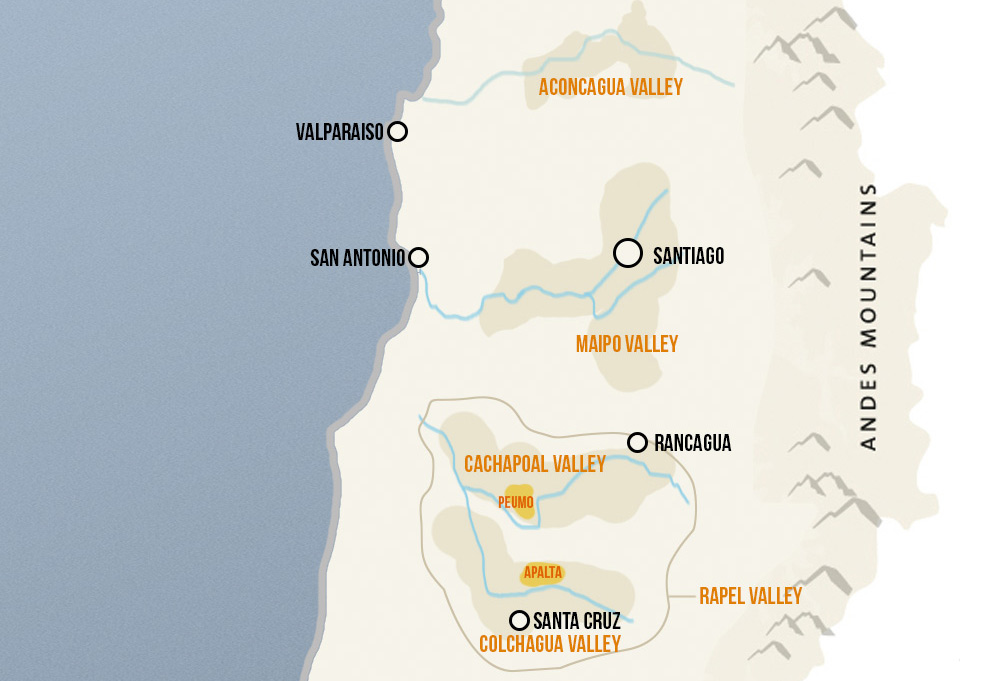

color: deep & opaque ruby color
clarity: hazy & bright purple shades
In the glass, the wine presents a deep and opaque ruby color, hinting at concentrated flavors, with hazy purple shades towards the rim of the glass, hinting at the wine’s youthfulness.

intensity: rich & savory-delicate
fruit character: ripe & vibrant
The aromatic profile reveals a rich and savory-delicate nose with a ripe fruit character. The foreground is dominated by an alluring array of dark fruits, including blue plum, blackberry, wild bitter cherry, blackcurrant, blueberry, and aronia berry, beautifully intertwined with intriguing savory notes of old leather, iron, iodine, and brown olive. Elegant hints of dried herbs and delicate violets add further aromatic intrigue. As the aroma unfolds, the background unveils a complex earthy dimension with notes of dust, marl, loam, clay, pencil lead, and slate, harmoniously blending with spicy-oaky nuances of cloves, peppercorn, tobacco, anise, toasted oakwood, and nutmeg. A subtle touch of barnyard and rustic gamey hints provides an authentic, old-world allure to the already complex aromatic profile.

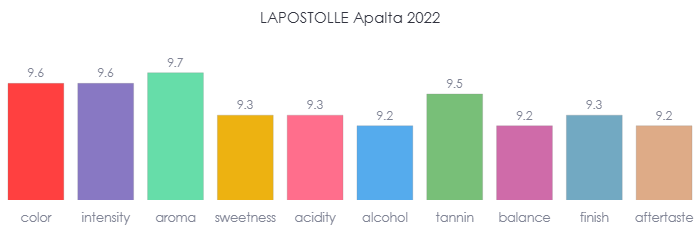
sweetness: dry | acidity: high | alcohol: high | tannin: high | balance: good
finish: medium+ | aftertaste: bitter-seedy
On the palate, this wine presents an initial impression of a slightly astringent and rough texture, yet revealing a crisp and bitter-seedy mouthfeel that speaks to its terroir-driven nature. While the nose is rich and savory-delicate, the palate showcases a touch of untamed youthfulness. The wine has a nuanced old-world character, with a firm yet delicate palate, with an ample and astringent mouthfeel. It tastes dry, invigorated by exuberant acidity, while a nicely integrated touch of alcoholic warmth adds to its body. The astringent tannins provide a robust backbone, leading to a long and persistent bitter-seedy aftertaste that embodies the wine’s rustic charm and distinctive chilean dustiness. In its current state, the wine is focused more on delicacy than nuance, lacking some of the harmony and elegance found in the other blends from the Apalta Valley.

maturity: still developing | needs more time | drink today or age for another 3 to 5 years
verdict: fine | an excellent wine | a wine of premium quality with good ageing potential
Overall, this is a textbook, terroir-driven chilean wine blend that, while still youthful, delivers a nuanced savory-delicate aromatic profile and a palate marked by a slightly unpolished and untamed tannins. It feels firm, with a delicate and rustic nuance, embodying a genuine old-world appeal. Rich and voluptuous, with a savory-rustic accent, it currently prioritizes delicacy over structure While ample and astringent, its bitter-seedy character exhibits a sharpness that requires more time to fully integrate into the body. This is a wine with a good aging potential and promises to evolve into a more elegant and harmonious blend over the next 3 to 5 years, making it a worthy candidate for cellaring, though it can be enjoyed today by those who appreciate its assertive, youthful character, just keep in mind that, it is always better to drink a wine a year too soon, than a day too late.

Consider pairing this wine with dishes that can stand up to its firm and robust structure. We recommend grilled prime rib seasoned with aromatic herbs like rosemary and thyme, or a rich beef stew slow-cooked with root vegetables. The wine’s exuberant acidity will beautifully cut through the richness of the meat, while its firm and astringent tannins will complement the protein, creating a harmonious textural balance. The savory notes and earthy undertones in the wine will find a perfect echo in the savory elements of the dish, resulting in a delicate wine tasting experience. Cheers! LAPOSTOLLE | Apalta | 2022
variety: cabernet sauvignon | carmenère | syrah | merlot
country: Chile
region: Colchagua Valley | Apalta
rating: 93.9
Lapostolle was born with the idea to magnify the exceptional terroir of the Apalta Valley with benchmark french expertise. Today, Lapostolle is one of the most famous winery in Chile, recognized as ‘New World Winery of the Year’ by Wine Enthusiast. Guided by the Bournet-Lapostolle family, they aim to create wines that are french in essence, yet chilean by birth.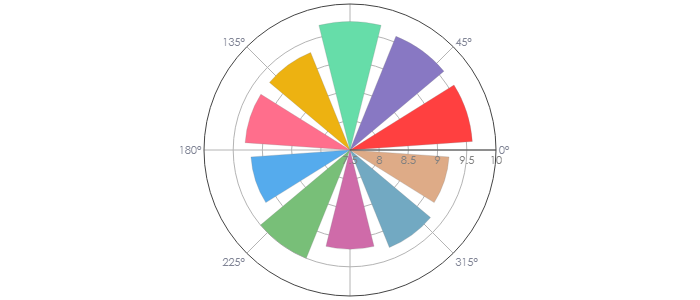
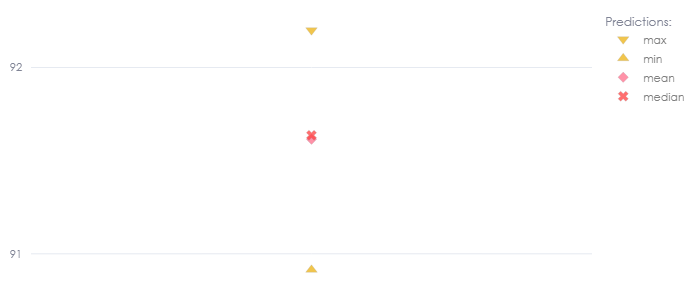
 © The WineStatistics ratings are based solely on our own knowledge of the world of wine and on our personal wine tastes, which may, or may not, differ from yours – the reader. Just remember that there are no absolutes of right and wrong in wine appreciation. Cheers!
Make a one-time donation
Make a monthly donation
Make a yearly donation
Choose an amount
Or enter a custom amount
WineStatistics is a non-profit community. We produce independent and highly detailed wine reviews.
By training ourselves to stop, take a breath, and pay attention to the subtle elements that distinguish one wine from any other, we learn an important lesson about life – that it’s worth taking the time to slow down and appreciate things that pleases us, from a glass of wine to a great work of art. It’s a simple way to learn to appreciate the little things in life that may in some small way enhance our enjoyment of every day.
In order to continue our work we need support from people like you. People who appreciate our contribution in spreading wine knowledge and raising wine awareness across the borders.
You may now support us by contributing with a one-time donation so that we can review even more wines.
WineStatistics is a non-profit community. We produce independent and highly detailed wine reviews.
By training ourselves to stop, take a breath, and pay attention to the subtle elements that distinguish one wine from any other, we learn an important lesson about life – that it’s worth taking the time to slow down and appreciate things that pleases us, from a glass of wine to a great work of art. It’s a simple way to learn to appreciate the little things in life that may in some small way enhance our enjoyment of every day.
In order to continue our work we need support from people like you. People who appreciate our contribution in spreading wine knowledge and raising wine awareness across the borders.
You may now support us by contributing with a monthly donation so that we can review even more wines.
WineStatistics is a non-profit community. We produce independent and highly detailed wine reviews.
By training ourselves to stop, take a breath, and pay attention to the subtle elements that distinguish one wine from any other, we learn an important lesson about life – that it’s worth taking the time to slow down and appreciate things that pleases us, from a glass of wine to a great work of art. It’s a simple way to learn to appreciate the little things in life that may in some small way enhance our enjoyment of every day.
In order to continue our work we need support from people like you. People who appreciate our contribution in spreading wine knowledge and raising wine awareness across the borders.
You may now support us by contributing with a yearly donation so that we can review even more wines.
