CRAMA OPRISOR | Chardonnay | 2022
chardonnay
 © We will be evaluating wines in no particular order on no particular schedule. Just stay tuned and you will never miss our reviews. If the wine is tasted more than once, the rating table will be updated so as to reflect all the new impressions and observations. We hope you will enjoy it!

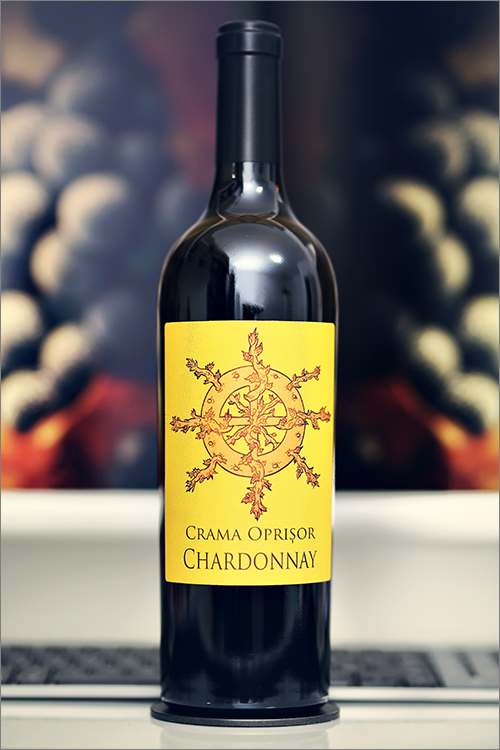
Crama Oprișor is a renowned name in romanian winemaking, nestled in the heart of Oltenia – a region deeply rooted in history and legend. Founded with a vision to blend ancient viticultural heritage with modern winemaking techniques, the winery has consistently produced wines that express the unique character of Oltenia’s terroir. With 250 hectares of vineyards, they cultivate both international and indigenous grape varieties. Their philosophy is centered around Profound Oltenia and Art & Wine, aiming to reveal the spirit of Oltenia’s rich cultural terroir while fostering a space where art and wine converge into originality. Today we are are going to review a single-varietal chardonnay wine from Dealurile Olteniei region of Romania, a wine known also as the ‘yellow label’ – Chardonnay 2022 by Crama Oprisor. Chardonnay is one of the world’s most famous grape varieties, regarded by many as the ‘Queen of Whites‘ and is prized for its flexibility and for the ability to produce top-notch wines in a wide range of climates and terroirs. Stylistically, there are two main styles of chardonnay wines: on one hand we have the classic, creamy and rich, oak-aged style, that is backed up by winemakers in Napa Valley and most of the Grand Cru in Bourgogne, whereas on the other hand there’s the crisp, zingy and citrusy, unoaked style, that is mainly promoted by the new-world producers and most of the winemakers in Chablis.
Today’s wine is a bit of both, as it has been partially aged in 400L french oak barrels, which means that the wine went through the malolactic conversion – a process where the crisp, malic acid in the wine is converted into a more softer, lactic acid, thus the wine becomes less tart and more silky, gaining more structure and complexity, rounding up the palate and enhancing its aromatic allure. During the oak ageing, the wine spent a few months on fine lees (the dead yeast cells that are left over from the fermentation process), with regular bâtonnage – a winemaking technique designed to enrich the wine’s aromatic complexity, gaining in body and developing an unctuous and luxurious texture on the mouthfeel.
This limited-edition yellow label Chardonnay is a notable addition to the estate’s flagship wine range, completing the legendary series of iconic labels: the red label Cabernet Sauvignon and the purple label Feteasca Neagra. The label features the folklore’s solar symbol – a powerful reflection of the heritage and enduring values deeply rooted in the people of Oltenia. The wine is part of the ‘Inmost Oltenia‘ wine collection, which covers Oltenia‘s most famous myths and legends. The grapes for today’s wine were sourced from the sunny slopes of Oltenia, rich in mineral-rich soils, where the grapes benefit from optimal ripening conditions.

Located in southwestern Romania between the Danube River, the Southern Carpathians and the Olt River, Oltenia embraces gentle hills with predominantly south and southeast-facing slopes. The climate here is temperate-continental with strong sun-exposure (around 2,100–2,200 hours annually), hot summers and mild winters. Soils vary from alluvial and sandy in the lower plains to clay-rich and loess terraces on the hillsides, often interspersed with reddish luvosols and gelisols. In this terroir, both traditional romanian varieties, such as Fetească Neagră and Tămâioasă Românească, and international grape varieties, like Cabernet Sauvignon, Merlot and Chardonnay thrive. The wines produced in these conditions combine the ripe fruit flavours and ample body with enough freshness and minerality to maintain the delicate balance, thus reflecting the region’s sun-lit climate, varied soils and emerging modern viticultural identity.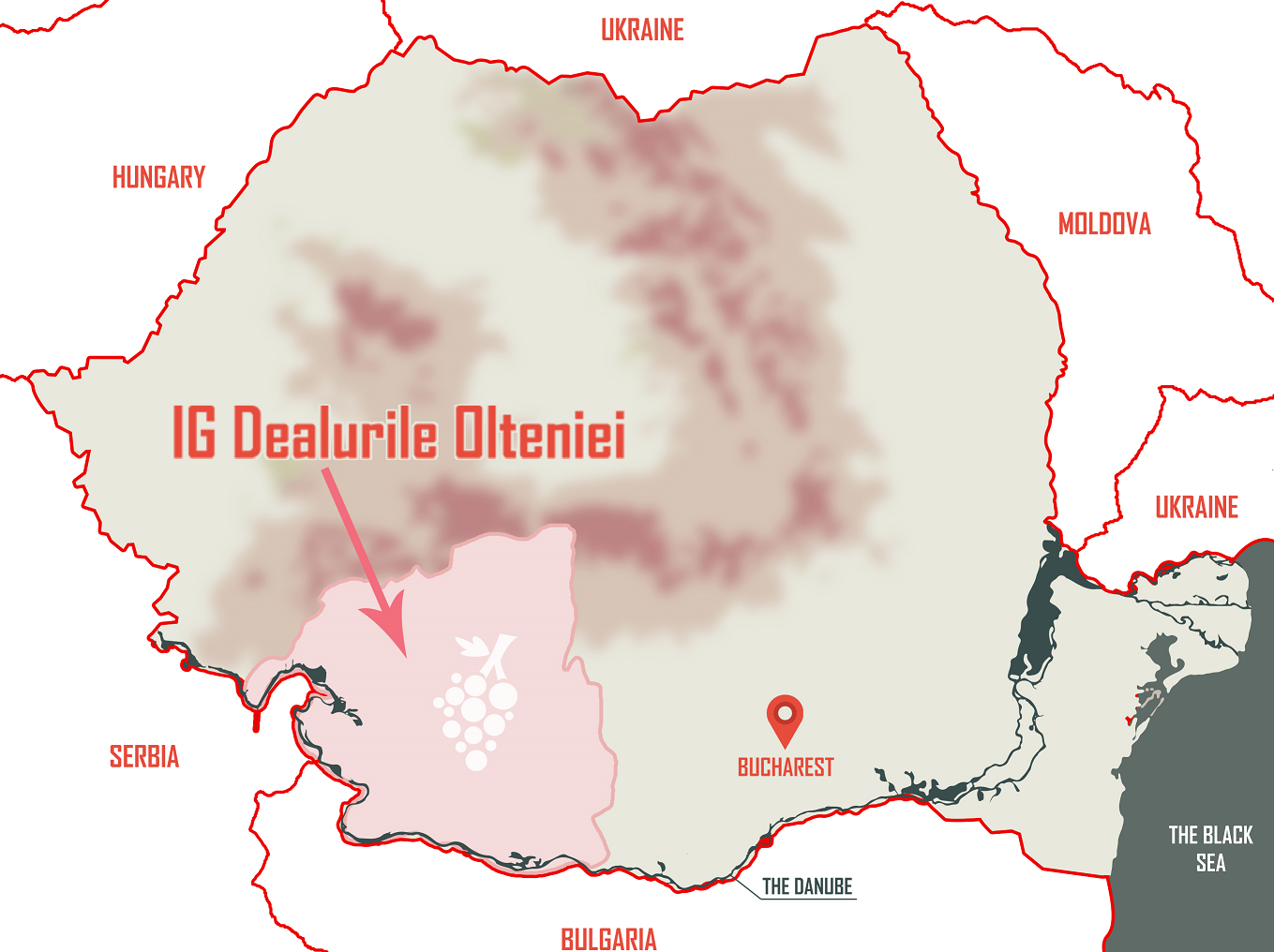

color: medium-deep yellow color
clarity: pale pastel-yellow hues
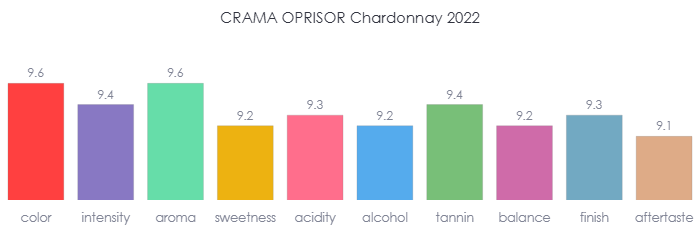
In the glass, the wine presents a medium-deep yellow color, with delicate pastel yellow shades at the rim of the glass, hinting at its vitality and youthful vibrancy.

intensity: rich & buttery
fruit character: ripe & underripe
The olfactory experience is defined by a rich and notably buttery nose, showcasing a fascinating interplay of ripe and underripe fruit aromas. In the foreground, vibrant citrusy notes of lemon and white grapefruit emerge, beautifully intertwined with prominent autolytic undertones. These are expressed through nuances of butter, brioche, baguette, and biscuit, suggesting a significant contribution from malolactic fermentation and lees contact. Subtle herbal hints of hay and straw grass add a rustic elegance to this complex bouquet. As the wine opens up, the background reveals a tapestry of orchard fruits, including yellow apple, quince, and asian pear. These layers are complemented by oak influences, such as sun-dried oakwood and vanilla, further enriched by touches of acacia blossom and the crème brûlée.

sweetness: dry | acidity: medium+ | alcohol: high | tannin: high | balance: fair
finish: medium | aftertaste: seedy-crisp
On the palate, the wine presents a crisp, lean, and slightly opulent texture, leading to a rather intriguing and pleasantly-seedy mouthfeel. The wine feels dry, with a crisp acidity that provides a lively backbone, though it is accompanied by a noticeable touch of alcoholic warmth and a pronounced phenolic bitterness. This combination contributes to a profile that is both heady and bitter-seedy. The overall structure is ample and broad, yet at times feels a tad austere. The finish is characterized by a seedy-crisp aftertaste, which, alongside the phenolic bitterness, creates a firm textural dimension. Despite its richness and structure, the wine currently feels a bit off-balance, primarily due to the assertive phenolic bitterness and the alcoholic headiness, which tend to overshadow the overall harmony.

maturity: developing | needs time | drink now or age for 2 to 3 more years
verdict: fine | excellent wine | a wine of premium quality with good ageing potential
Overall, this is a well-structured Chardonnay that, in its current state, feels ample, leesy, and somewhat wide on the palate. While it certainly highlights oak and malolactic complexity, it appears to prioritize these elements over a nuanced elegance or a profound sense of place. The wine currently exhibits a certain austerity and a slight imbalance, primarily due to a prominent phenolic bitterness and alcoholic warmth that contributes to a heady sensation, at times detracting from its overall harmony and finesse. This is a developing wine, still quite youthful, and undoubtedly possesses good aging potential. It needs more time to allow the oak, fruit, and autolytic characters to fully integrate and round out, potentially softening the edges and revealing greater complexity. We recommend cellaring it for another 2 to 3 years, hoping that further bottle aging will bring about a more refined balance and a more expressive varietal character.

Given the wine’s rich oak-influenced and that pronounced touch of phenolic bitterness, it calls for dishes that can both complement its texture and stand up to its intensity. A classic pairing would be roasted chicken or pan-seared pork loin served with a creamy mushroom sauce or a delicate béchamel. The wine’s acidity would beautifully cut through the richness of the cream, while its vanilla and oak notes would harmonize with the savory flavors of the meat and mushrooms. Alternatively, consider pairing it with smoked salmon tartare with crème fraîche and dill, so that the wine’s buttery notes would meld with the richness of the salmon. Cheers! CRAMA OPRISOR | Chardonnay | 2022
variety: chardonnay
country: Romania
region: Oltenia | Mehedinti-Corcova
rating: 93.3
This wine was crafted by Liviu Grigorica – a winemaker that is famous for his deep understanding of the Oltenia’s terroir and his ability to translate it into his elegant wines. For him, wine is much more than a beverage, it’s an emotion, an invitation to reflection, and a potent medium for sharing feelings and thoughts. Embracing wine as an intrinsic part of Romania’s culture, he strives to highlight the diverse cultural and educational values that intertwine with winemaking.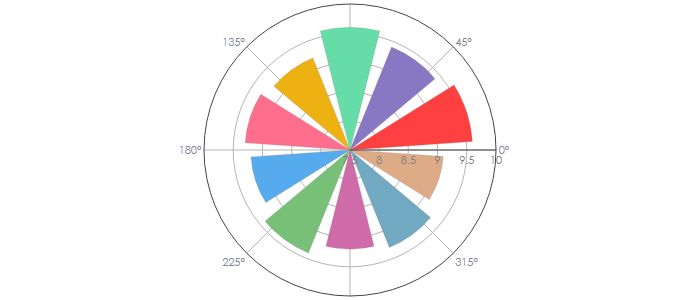
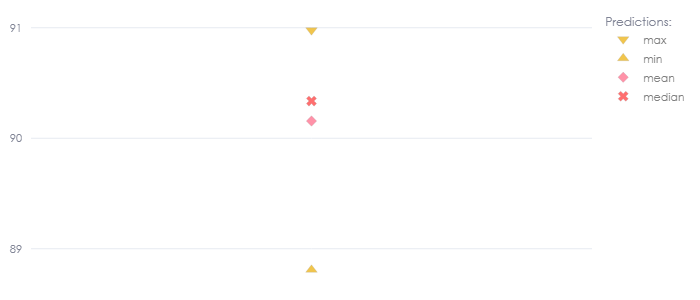
 © The WineStatistics ratings are based solely on our own knowledge of the world of wine and on our personal wine tastes, which may, or may not, differ from yours – the reader. Just remember that there are no absolutes of right and wrong in wine appreciation. Cheers!
Make a one-time donation
Make a monthly donation
Make a yearly donation
Choose an amount
Or enter a custom amount
WineStatistics is a non-profit community. We produce independent and highly detailed wine reviews.
By training ourselves to stop, take a breath, and pay attention to the subtle elements that distinguish one wine from any other, we learn an important lesson about life – that it’s worth taking the time to slow down and appreciate things that pleases us, from a glass of wine to a great work of art. It’s a simple way to learn to appreciate the little things in life that may in some small way enhance our enjoyment of every day.
In order to continue our work we need support from people like you. People who appreciate our contribution in spreading wine knowledge and raising wine awareness across the borders.
You may now support us by contributing with a one-time donation so that we can review even more wines.
WineStatistics is a non-profit community. We produce independent and highly detailed wine reviews.
By training ourselves to stop, take a breath, and pay attention to the subtle elements that distinguish one wine from any other, we learn an important lesson about life – that it’s worth taking the time to slow down and appreciate things that pleases us, from a glass of wine to a great work of art. It’s a simple way to learn to appreciate the little things in life that may in some small way enhance our enjoyment of every day.
In order to continue our work we need support from people like you. People who appreciate our contribution in spreading wine knowledge and raising wine awareness across the borders.
You may now support us by contributing with a monthly donation so that we can review even more wines.
WineStatistics is a non-profit community. We produce independent and highly detailed wine reviews.
By training ourselves to stop, take a breath, and pay attention to the subtle elements that distinguish one wine from any other, we learn an important lesson about life – that it’s worth taking the time to slow down and appreciate things that pleases us, from a glass of wine to a great work of art. It’s a simple way to learn to appreciate the little things in life that may in some small way enhance our enjoyment of every day.
In order to continue our work we need support from people like you. People who appreciate our contribution in spreading wine knowledge and raising wine awareness across the borders.
You may now support us by contributing with a yearly donation so that we can review even more wines.
