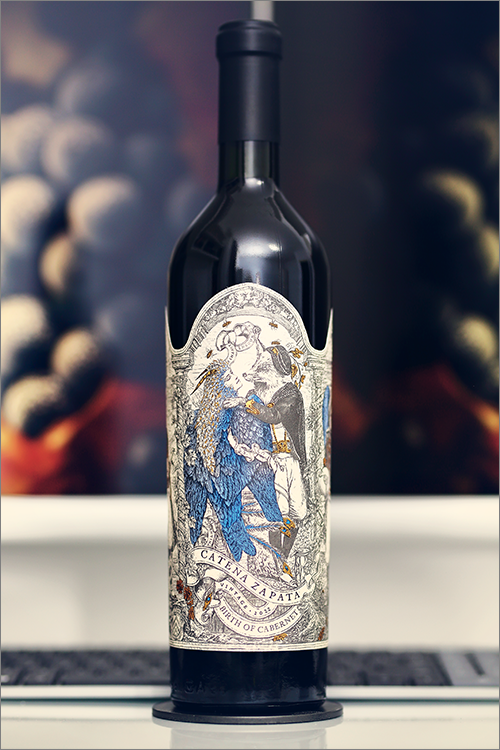
CATENA ZAPATA | Birth of Cabernet | Cabernet Sauvignon | 2022
cabernet sauvignon | cabernet franc
 © We will be evaluating wines in no particular order on no particular schedule. Just stay tuned and you will never miss our reviews. If the wine is tasted more than once, the rating table will be updated so as to reflect all the new impressions and observations. We hope you will enjoy it!

The story of Catena Zapata is the story of modern argentinian wine. Founded in 1902 by Italian immigrant Nicola Catena, the winery was revolutionized generations later by his grandson, Nicolás Catena Zapata. Often hailed as the pioneer of high-altitude viticulture in Argentina, Nicolás dedicated himself to proving that Mendoza could produce wines that can rival the world’s finest reds. He focused on identifying the ideal microclimates for the Malbec grape variety, planting vineyards at soaring elevations where others thought grapes couldn’t ripen. This relentless pursuit of quality culminated in a global renaissance for argentinian wine. Today, under the guidance of the fourth generation, Dr. Laura Catena, the winery continues its legacy of research and innovation.
Today we are going to review a wine that requires no introduction, as this is a true classic – an iconic, high-altitude cabernet sauvignon wine from Mendoza, which is Argentina‘s flagship wine region – Birth of Cabernet 2022 by Catena Zapata. Cabernet Sauvignon is the world’s most recognized grape variety that can be found all over the world in a wide range of climates and regions. Originating in Bordeaux as a natural cross between Cabernet Franc and Sauvignon Blanc, it has spread to every wine-producing area, adapting to an extraordinary range of climates, producing wines of remarkable structure and longevity. Cabernet Sauvignon is also a late ripening grape variety, which means that it is best suited for warm climates, where it is capable to produce wines that can reach into realms of perfection, where they are rarely followed. It serves as the backbone of the famous Bordeaux blends, while also offering some of the world’s finest single-varietal wines, especially popular in regions such as Napa Valley, Coonawarra, Margaret River, Maipo Valley, Stellenbosch, and Bolgheri. Powerful yet refined, Cabernet Sauvignon has earned its reputation as the undisputed king of noble red grape varieties.
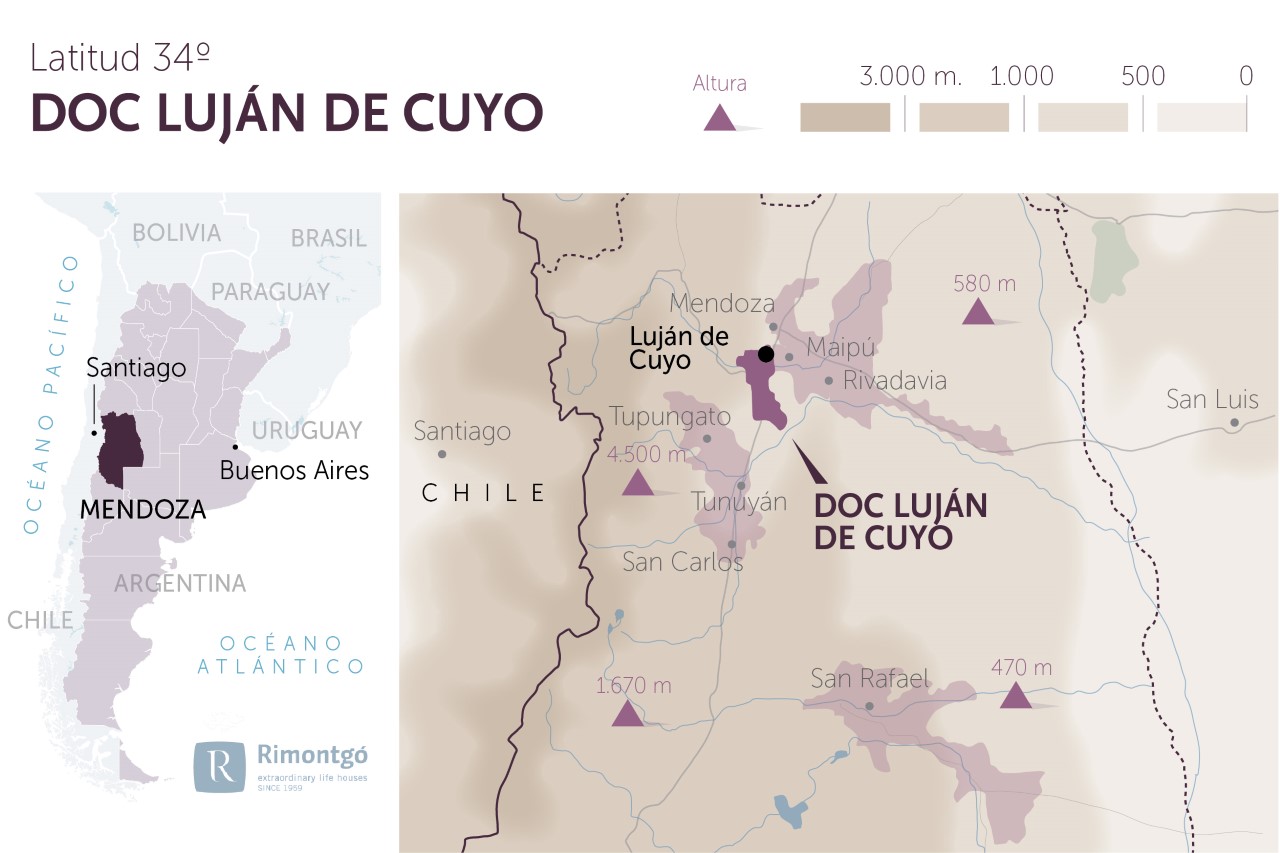
This wine is a pure expression of the two cabernet grape varieties (therefore technically a wine blend) – cabernet sauvignon (90%) and cabernet franc (10%) – where cabernet sauvignon forms the wine’s main body and structure, whereas cabernet franc lends that vibrant dark fruits character and some softness on the palate. Sourced from the two of the family’s most distinguished high-altitude vineyards: La Pirámide vineyard in Agrelo (Luján de Cuyo), and Angélica Sur + Paraje El Cepillo in San Carlos (Uco Valley), the grapes were fermented partly in concrete eggs, partly in small stainless-steel tanks and partly in french oak roll-fermentors, then the final wine is blended and is aged in small french oak barriques (225L & 500L) for a period of 18 to 24 months in first-, second- and third-fill barrels, with additional bottle ageing before it was deemed ready for the market release. The combination of these two micro-regions is what creates the wine’s exceptional complexity, balancing the voluptuous depth of the Luján de Cuyo terroir with the vibrant elegance of the Uco Valley micro-region, thus creating a perfect footprint of Mendoza’s high-altitude terroir.

Situated just southeast of the city of Mendoza, at around 600–800 m elevation, Maipú is one of the oldest and most historic wine regions in Argentina. It’s marked by a continental, semi-arid climate, with intense sunlight, warm days, and cold mountain-cooled nights that create a wide diurnal temperature range, which is ideal for slow, balanced grape ripening and vibrant acidity. Soils here are deep, stony, sandy‑loam alluvial deposits rich in gravel and low in organic matter, just perfect for restricting vigor and yielding deeply flavored, well-structured wines with concentrated color and tannins. This sub-region of Mendoza is famous for its malbec wines, but is also well suited for cabernet sauvignon, merlot and chardonnay, producing bold, fruit-forward and complex wines with solid structure and amazing freshness.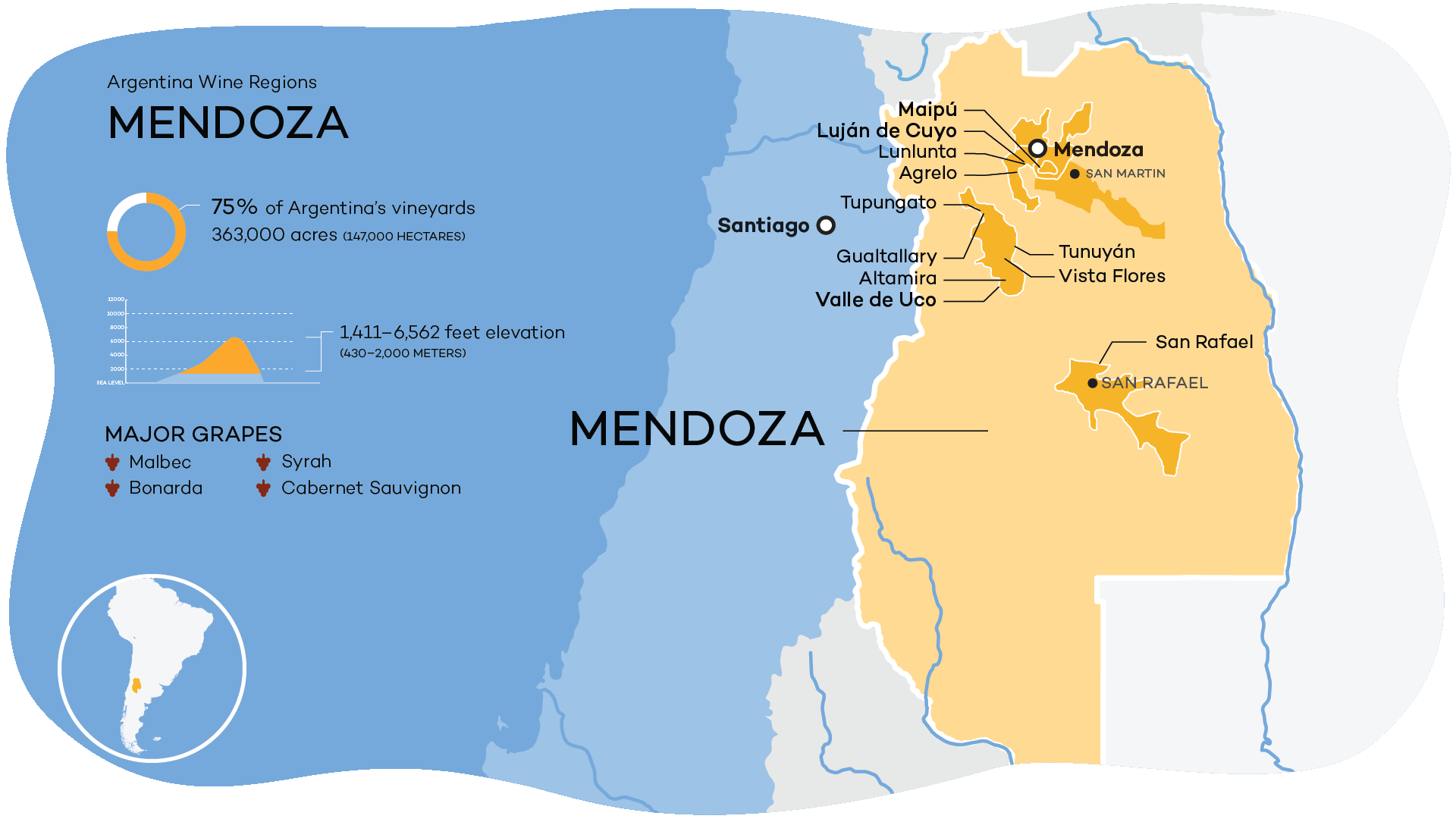 The unique geographical conditions of the Uco Valley contribute significantly to the distinctiveness of most of the malbec wines produced here. The arid climate coupled with the high-altitudes is ideal for viticulture, promoting the production of high-quality grapes. The vineyards planted at high-altitudes benefit from abundant sunlight during the day and cool temperatures at night, thus creating a high diurnal range, which preserves natural acidity and develops aromatic complexity in the healthy grapes. The soil is predominantly alluvial, rich in sand and loam, with good drainage that supports deep root growth. Compared with many traditional vineyards in lower-elevation of Mendoza, Uco Valley wines often display greater aromatic precision, vibrant acidity, and a more pronounced mineral character. Its diverse high-altitude terroirs allow the production of fresh, structured, and complex wines with considerable ageing potential.
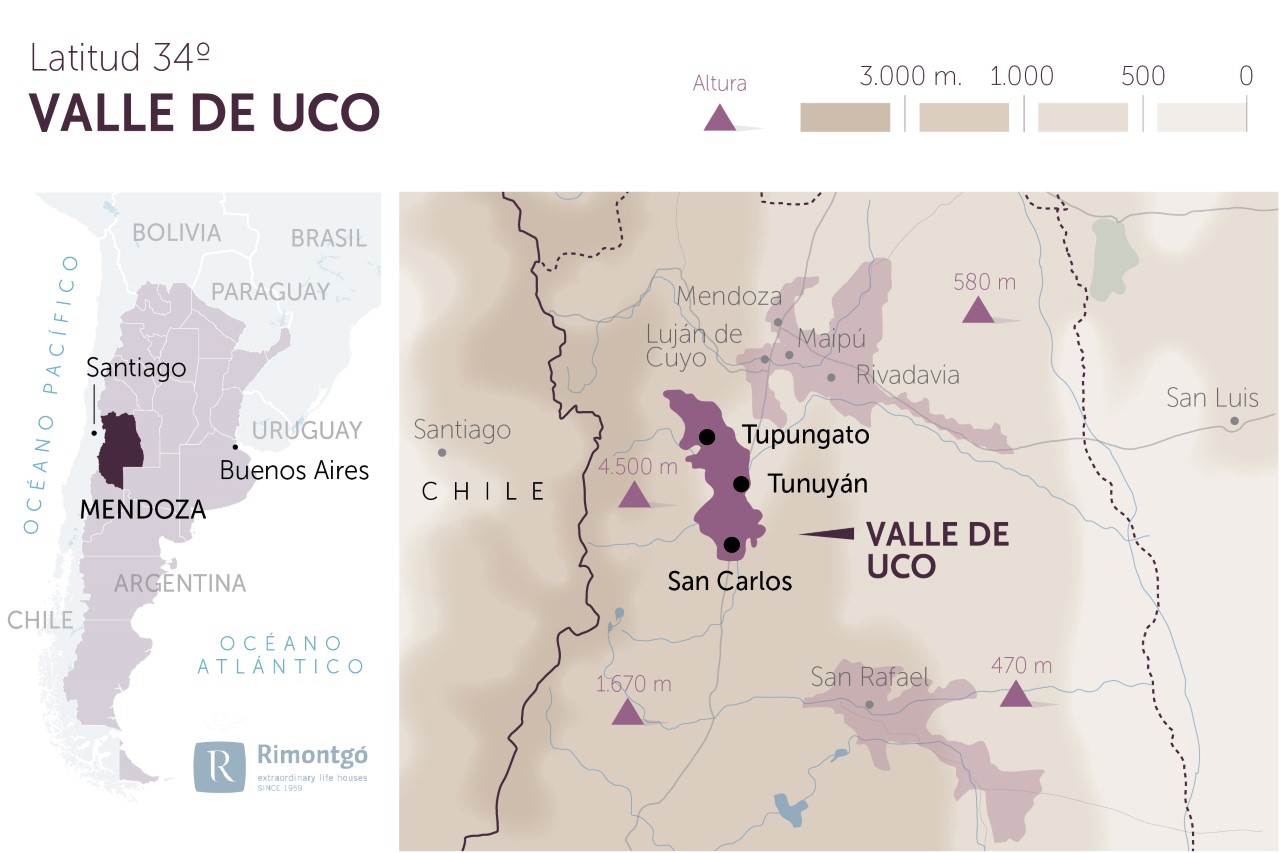 Luján de Cuyo, situated just south of Mendoza city, is one of Argentina’s most historic and prestigious wine-producing areas, widely regarded as the birthplace of modern malbec. Its vineyards are generally planted between 800 and 1,100 masl, under a continental, semi-arid climate characterized by intense sunshine, dry summers, limited rainfall, and cool nights influenced by the nearby Andes Mountains. The Mendoza River has played an important role in shaping the region’s terroir, depositing alluvial soils composed of sand, clay, gravel, and stones, with varying proportions of limestone and other mineral materials. These well-drained soils, combined with the region’s high altitude and significant day-night temperature variation, allow grapes to develop concentrated flavours while retaining freshness and balanced acidity. Luján de Cuyo is particularly celebrated for its old-vine malbec vineyards and its ability to produce elegant, concentrated, and age-worthy cabernet sauvignon and cabernet franc wines with great ageing potential.

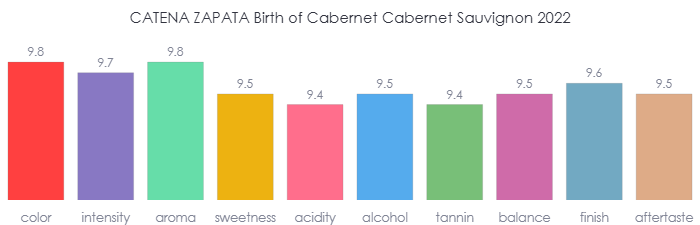
color: deep & opaque purple color
clarity: noble crimson shades at the rim
In the glass, the wine commands immediate attention with its very deep and opaque purple color, almost impenetrable at its core. This profound intensity is gracefully edged by alluring crimson shades at the rim of the glass, which speak volumes of both its youthful vigor and promising depth.

intensity: pronounced & fruity-vibrant
fruit character: ripe
The wine’s aromatic profile is pronounced and fruity-vibrant, with a nuanced savory appeal and a distinctly ripe fruit character. It presents a multi-layered and complex bouquet that balances the exuberance of fruit with a delicate, terroir-driven intrigue. The foreground bursts with a symphony of dark fruits: notes of cassis, bitter cherry, prune, blackberry, black mulberry, and aronia, beautifully interwoven with a tapestry of spicy undertones including crushed peppercorn, nutmeg, juniper, anise, and a touch of red pepper. These are complemented by vibrant touches of blueberry and blue plum, and lifted by elegant hints of dark violets that add an ethereal floral dimension. As the wine breathes and opens up, the background reveals beautifully integrated oaky tones of sweet tobacco, toasted oakwood, cloves, and a whisper of vanilla. These are supported by distinct earthy hints of pencil lead, crushed granite, wet slate, and a hint of dust, alongside subtle nuances of juniper and old leather, concluding with a faint touch of smoke and dried herbs. This intricate interplay creates an aromatic tapestry of remarkable depth, sophistication, and purebred varietal expression.

sweetness: dry | acidity: high | alcohol: medium+ | tannin: high | balance: fine
finish: lasting | aftertaste: crisp & vibrant
On the palate, the wine delivers a crisp, ample, and complex mouthfeel, defined by a pleasantly-seedy texture that imparts structure and finesse. It feels savory and elegant, showcasing a nuanced terroir-driven accent – a textbook representation of a high-altitude Cabernet Sauvignon. The wine tastes dry on the attack, propelled by an exuberant acidity that provides freshness and vitality, forming the vibrant backbone of the wine. A perfectly integrated touch of alcoholic warmth adds depth and body without any harshness, contributing seamlessly to its ample and voluptuous structure. The tannins are ripe and fine-grained, coating the mouth with a velvety texture that provides a firm yet refined grip, promising excellent aging potential. The wine ends with a crispy-vibrant, and pleasantly-seedy aftertaste that lingers beautifully, leaving a lasting impression of sophisticated dark fruit, savory minerality, elegant spice, and a true sense of place. This is truly a wine to remember, embodying both formidable power and refined finesse.

maturity: developing | needs more time | drink now or in the next 4 to 5 years
verdict: great | a benchmark wine | a wine that has all the traits to become legendary
Overall, this is an iconic wine – the epitome of modern, high-altitude Cabernet Sauvignon, that blends power with finesse – rich, elegant, and velvety – a tribute dedicated to the grape variety. It masterfully delivers the vibrancy of fruit harmoniously intertwined with a distinct local terroir footprint. This is a remarkably well-structured, voluptuous, and robust wine that maintains a crisp and pleasantly-seedy palate, showcasing an impressive balance. A pure-bred Cabernet Sauvignon vinified in a modern style, skillfully combining New World nuance with Old World appeal. It feels wonderfully harmonious and structured from start to finish, boasting a multi-layered and sophisticated aromatic profile, yet remaining quite restrained in its use of oak, ensuring fruit purity prevails. While still in its developing phase, it clearly needs more time to fully unleash its immense potential. It can be enjoyed today with decanting, but we highly recommend cellaring it for at least another 4 to 5 years, during which time its elements will integrate further, tannins will soften, and additional layers of complexity and finesse will emerge, promising an even more captivating and profound experience. This is a genuine tribute to the Cabernet Sauvignon grape variety – a truly iconic wine.

Given the wine’s profound fruity-vibrant structure and delicate savory-earthy tones, it demands a dish of equal stature. A good complementary pairing would be a slow-braised wild boar ragu served over pappardelle, garnished with fresh porcini mushrooms, a touch of juniper berries, and a sprinkle of aged parmigiano reggiano. The richness and inherent gaminess of the wild boar will be beautifully counterbalanced by the wine’s exuberant acidity, while its fine-grained tannins will meld seamlessly with the protein and fat in the dish, creating a harmonious textural experience. In the same key, the earthy notes of the mushrooms and the savory character of the ragu, especially with the subtle inclusion of juniper, will create a profound resonance with the wine’s earthy hints, elevating the entire dining experience to a new level of hedonistic pleasure. Enjoy! CATENA ZAPATA | Birth of Cabernet | Cabernet Sauvignon | 2022
variety: cabernet sauvignon
country: Argentina
region: Mendoza | Valle de Uco | Luján de Cuyo
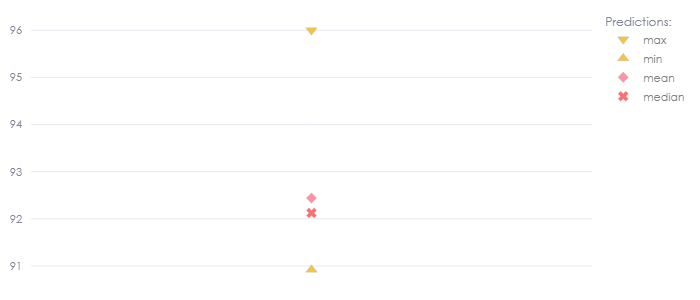
rating: 95.7
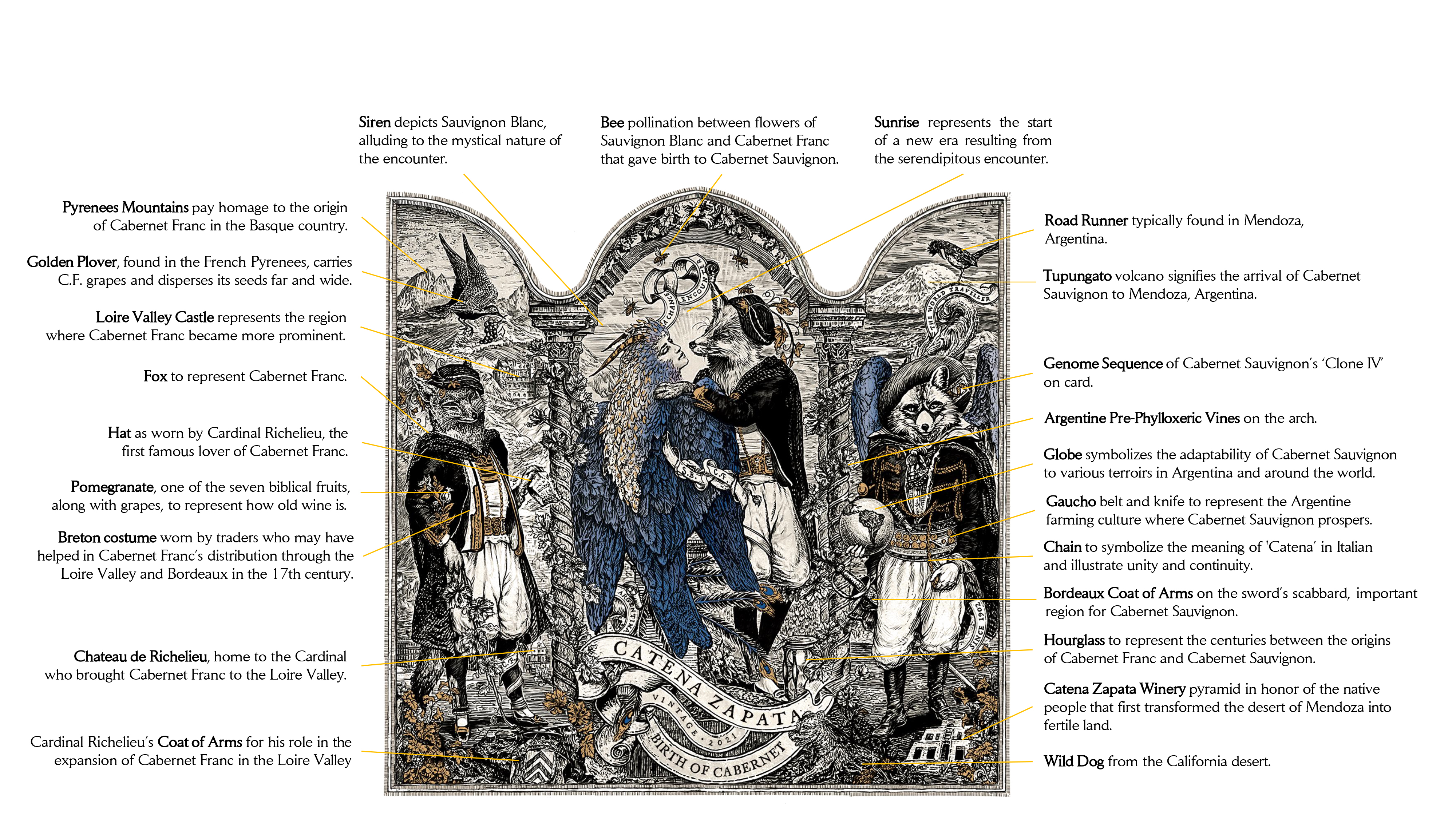
The wine’s iconic label narrates the epic saga of the Cabernet Sauvignon grape variety through three central allegorical figures. Cardinal Richelieu, depicted as a cunning fox, represents the historical origins of Cabernet Franc in the Old World, particularly its rise in France’s Loire Valley. The Mystical Siren (Sauvignon Blanc), accompanied by the Bees, in the arms of her lover (Cabernet Franc) symbolize the serendipitous natural encounter and cross-pollination between Cabernet Franc and Sauvignon Blanc grape varieties that, through an act of nature’s ingenuity, birthed Cabernet Sauvignon. Lastly, the courageous Gaucho (the Explorer) figure embodies the grape’s grand arrival in Mendoza, Argentina, and its triumphant establishment in the New World, particularly within the high-altitude vineyards of Mendoza. The grapes for this wine are tied to a rich heritage of innovation and a profound understanding of terroir, weaving together centuries of viticultural history and a journey through time and geography- a testament to Catena Zapata’s pioneering spirit.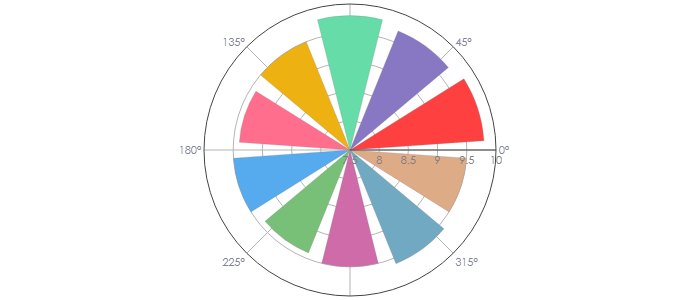
 © The WineStatistics ratings are based solely on our own knowledge of the world of wine and on our personal wine tastes, which may, or may not, differ from yours – the reader. Just remember that there are no absolutes of right and wrong in wine appreciation. Cheers!
Make a one-time donation
Make a monthly donation
Make a yearly donation
Choose an amount
Or enter a custom amount
WineStatistics is a non-profit community. We produce independent and highly detailed wine reviews.
By training ourselves to stop, take a breath, and pay attention to the subtle elements that distinguish one wine from any other, we learn an important lesson about life – that it’s worth taking the time to slow down and appreciate things that pleases us, from a glass of wine to a great work of art. It’s a simple way to learn to appreciate the little things in life that may in some small way enhance our enjoyment of every day.
In order to continue our work we need support from people like you. People who appreciate our contribution in spreading wine knowledge and raising wine awareness across the borders.
You may now support us by contributing with a one-time donation so that we can review even more wines.
WineStatistics is a non-profit community. We produce independent and highly detailed wine reviews.
By training ourselves to stop, take a breath, and pay attention to the subtle elements that distinguish one wine from any other, we learn an important lesson about life – that it’s worth taking the time to slow down and appreciate things that pleases us, from a glass of wine to a great work of art. It’s a simple way to learn to appreciate the little things in life that may in some small way enhance our enjoyment of every day.
In order to continue our work we need support from people like you. People who appreciate our contribution in spreading wine knowledge and raising wine awareness across the borders.
You may now support us by contributing with a monthly donation so that we can review even more wines.
WineStatistics is a non-profit community. We produce independent and highly detailed wine reviews.
By training ourselves to stop, take a breath, and pay attention to the subtle elements that distinguish one wine from any other, we learn an important lesson about life – that it’s worth taking the time to slow down and appreciate things that pleases us, from a glass of wine to a great work of art. It’s a simple way to learn to appreciate the little things in life that may in some small way enhance our enjoyment of every day.
In order to continue our work we need support from people like you. People who appreciate our contribution in spreading wine knowledge and raising wine awareness across the borders.
You may now support us by contributing with a yearly donation so that we can review even more wines.
