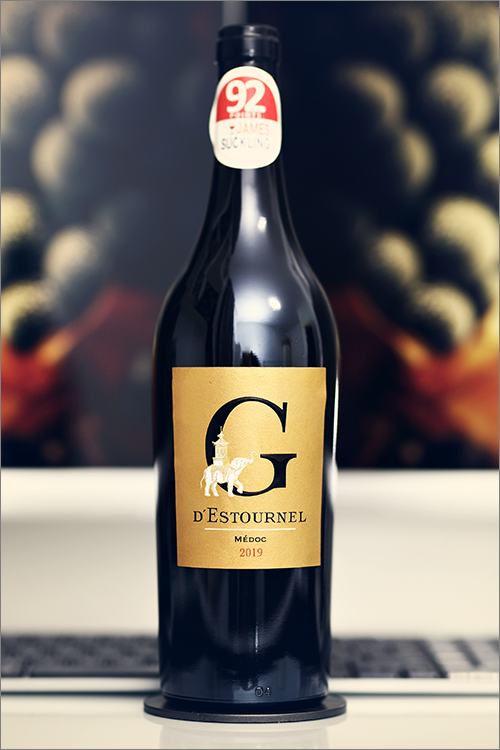
CHÂTEAU COS D’ESTOURNEL | G d’Estournel | Médoc | 2019
merlot | cabernet sauvignon | cabernet franc
 © We will be evaluating wines in no particular order on no particular schedule. Just stay tuned and you will never miss our reviews. If the wine is tasted more than once, the rating table will be updated so as to reflect all the new impressions and observations. We hope you will enjoy it!

The story of Château Cos d’Estournel begins in 1811 when Louis Gaspard d’Estournel inherited vineyards in Saint-Estèphe. He quickly recognized the exceptional potential of the deep gravel mound (or ‘cos’ in gascon dialect), overlooking the Gironde estuary. Rather than constructing a traditional château, he indulged into his passion for asian culture, adorning his cellars with exotic pagodas, intricately carved wooden doors from the Sultan of Zanzibar’s palace, and ornate bell towers. Despite lavish spending leading to debt and the eventual sale of the estate in 1852, his vision secured the estate’s reputation as a premium wine producer. Just three years later, Cos d’Estournel was classified as a Deuxième Cru Classé (second growth) in the revered 1855 Bordeaux Classification – the highest honor bestowed upon any Saint-Estèphe property. The estate’s legacy continued to evolve under figures like Bruno Prats, who managed Cos from 1970 to 1998, modernizing viticulture, increasing the proportion of Merlot in the blend and cementing its status as a leading ‘Super Second’.
Today we are going to review a true classic – a wine from the ‘left bank‘ – a genuine blend from the Médoc sub-region of the world’s famous Bordeaux appellation – G d’Estournel Médoc 2019 by Château Cos d’Estournel. This wine embodies the estate’s visionary approach, with its richer, spicier, and more opulent style than many of its ‘left bank‘ peers – a non-traditional blend for the cabernet-dominated Médoc, as it is made of 86% merlot (known locally as merlot noir), just 13% cabernet sauvignon and 1% cabernet franc, where merlot forms the wine’s main body and structure, cabernet sauvignon adds up-front richness and dark fruit notes, while cabernet franc contributes to a leaner mid-palate and a delivers a more dynamic finish. The well-drained gravel soils, typical of the Médoc region, force the vines’ roots deep in search of nutrients, resulting in highly concentrated grapes at harvest. The winemaking process is designed for precision and purity, utilizing a state-of-the-art gravity-fed winery that eliminates the need for pumping, safeguarding the delicate fruit. The final wine has been aged for 18 months in French oak barriques (mostly new oak), with additional bottle ageing time before it was ready for the market release.
The ‘left bank‘ of Bordeaux is defined by its gravel-rich soils, laid down over centuries by the Garonne River, which provides excellent drainage and retain the much-needed heat, making this region particularly well suited to Cabernet Sauvignon. This terroir is well suited for late-ripening grape varieties, therefore Cabernet Sauvignon, Merlot, Cabernet Franc, and Petit Verdot are the main varieties planted here. The Bordeaux‘s ‘left bank‘ is home to some of the world’s most prestigious appellations, including Médoc, Margaux, Saint-Julien, Pauillac, and Saint-Estèphe, each of them expressing the power and finesse of this delicate terroir.

Bordeaux is the world’s most influential wine region, defined by a temperate maritime climate with mild winters, moderate summers, and regular rainfall that supports long and even ripening. The region is shaped by the Gironde estuary and its tributaries, the Garonne and Dordogne rivers, which moderate temperatures and reduce frost risk. Bordeaux’s soils are highly varied, ranging from gravel, sand, and limestone, to clay-rich formations, allowing different grape varieties to thrive in distinct zones. Cabernet Sauvignon, Merlot, Cabernet Franc, Petit Verdot, and Malbec are all at home here, dominating red wine production, while Sauvignon Blanc, Sémillon, and Muscadelle form the backbone of the region’s whites.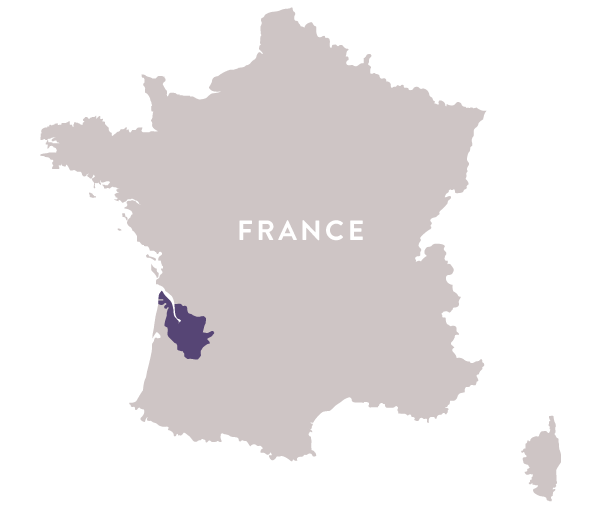 Bordeaux‘s ‘Left Bank‘ lies west of the Gironde and Garonne rivers and is best known for its gravel-dominated soils, which offer excellent drainage and heat retention, ideal for Cabernet Sauvignon. The maritime influence of the Atlantic Ocean tempers extreme heat and extends the growing season, allowing grapes to ripen slowly while retaining freshness. Wines from the Left Bank are typically well structured, with a nuanced tannic grip, with Cabernet Sauvignon playing the main role, supported by Merlot and smaller proportions of other grape varieties, creating age worthy wines of high precision and power.
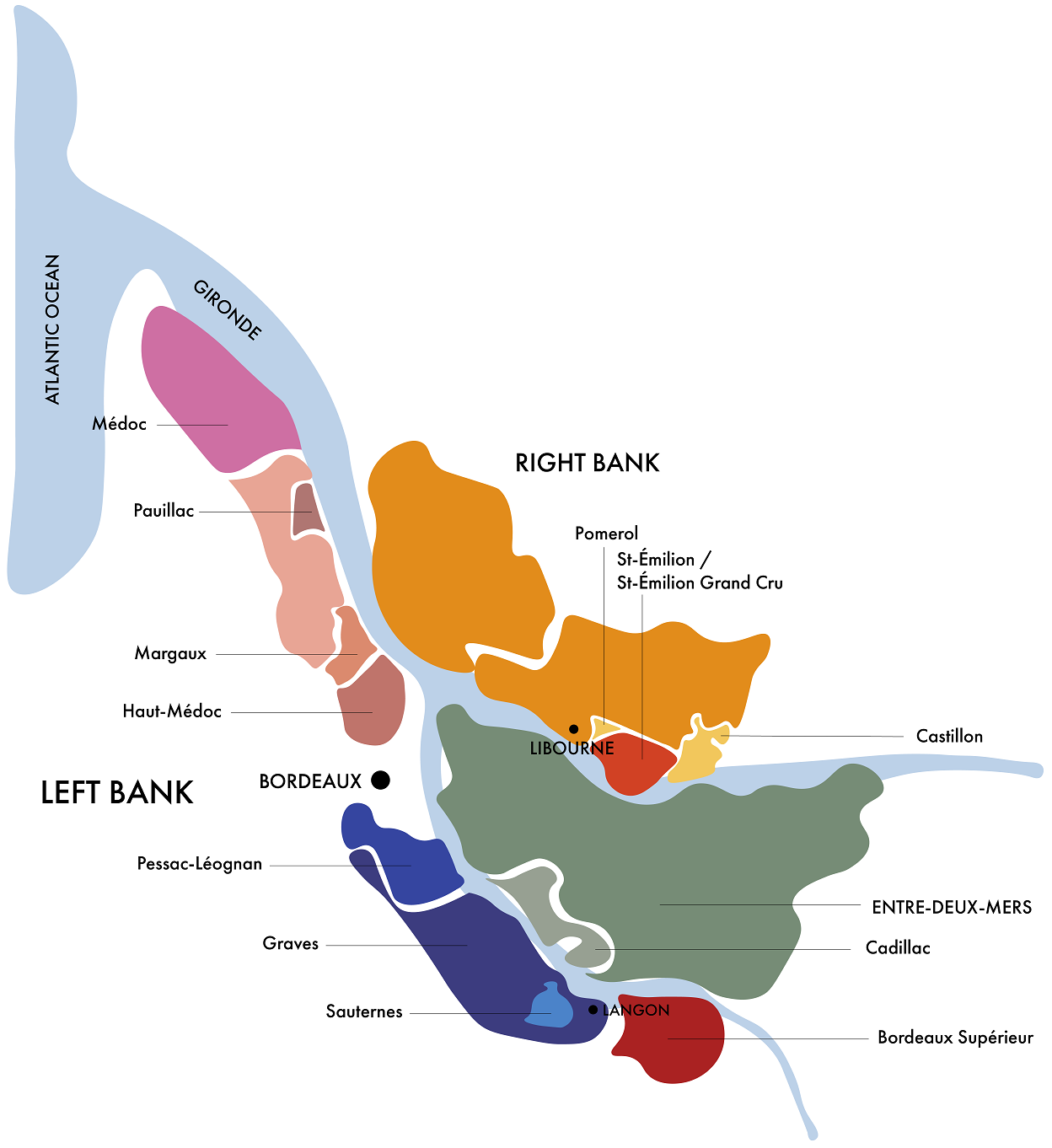 The Médoc sub-region, located north of the city of Bordeaux along the left bank of the Gironde estuary, is defined by its long strip of deep gravel terraces formed by ancient river deposits. These gravelly soils provide exceptional drainage and heat retention, creating ideal conditions for Cabernet Sauvignon, which dominates the blends here, supported by Merlot, Cabernet Franc, and small amounts of Petit Verdot. The proximity to the Gironde river moderates temperature extremes, reducing frost risk and extending the ripening season, which allows grapes to reach full phenolic maturity while preserving freshness. The wines of Médoc are well structured, powerful, and bold – all of them wines with a great ageing potential. Within Médoc lie some of Bordeaux’s most prestigious appellations, including Pauillac, Margaux, Saint-Julien, and Saint-Estèphe, each offering its own expression of this iconic terroir.

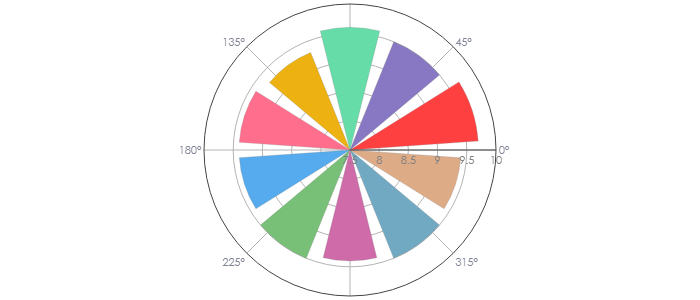
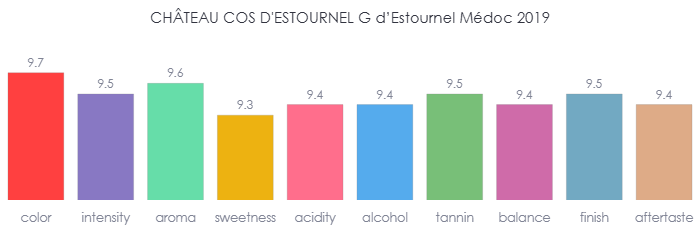
color: deep & opaque garnet color
clarity: noble copper shades at the rim
In the glass, the wine presents a deep and opaque garnet color – a textbook appearance for a developing Bordeaux blend, with hazy copper shades at the rim.

intensity: rich & vibrant
fruit character: ripe & dehydrated
The aromatic profile is remarkably rich and fruity-vibrant, offering a very delicate accent and a fruit character that ranges from ripe to subtly dehydrated. It delivers a multi-layered and complex bouquet, balancing the lively vibrancy of fruit with an intriguing earthy delicacy. In the foreground, a prominent wave of ripe black fruits dominates, featuring notes of black cherry, blackberry, blackcurrant, dark plum, and aronia berry. These bright fruit notes intertwine seamlessly with a pronounced earthy foundation, revealing distinct hints of pencil lead, crushed granite, slate, and a whisper of dust. Delicate oak-derived notes of tobacco and cloves add an extra layer of sophistication and depth. As the wine breathes and opens up further, a complex array of spicy undertones emerges in the background: peppercorn, nutmeg, anise, and a touch of juniper. These are beautifully complemented by a touch of mediterranean herbs, with subtle nuances of dehydrated fruits and delicate hints of violets completing this intricate aromatic tapestry, making for a truly captivating olfactory experience.

sweetness: dry | acidity: high | alcohol: medium+ | tannin: high | balance: good
finish: long | aftertaste: bitter-seedy
On the palate, the wine unfolds with a dry and pleasantly-seedy character, supported by a delicate and astringent mouthfeel. This is a well structured wine – a textbook representation of a Bordeaux blend focused on varietal expression and the unique footprint of its terroir. The mouthfeel is dry, invigorated by a bright, vibrant acidity that provides a refreshing lift, harmonizing beautifully with the other elements. A well-integrated touch of alcoholic warmth adds depth and body without ever becoming overpowering. The tannins are prominent, providing a seedy and astringent grip that creates a firm and elegant frame for the wine. This structured tannic presence, while assertive in its youth, contributes significantly to the wine’s age-worthiness. The finish is persistent and refined, leading to a pleasant bitter-seedy aftertaste that lingers gracefully, reinforcing its terroir-driven identity and leaving a lasting impression of savory complexity.

maturity: in its prime | drink now or within the next 3 years
verdict: great | a benchmark wine | a wine that has all the traits to become legendary
Overall, this is a modern Merlot-based Left Bank Bordeaux blend that masterfully showcases the synergy between nuanced fruit expression and the unmistakable footprint of the Médoc terroir. It is a wine of considerable power and delicacy, expertly focused around fruit expression and terroir, rather than emphasizing overt richness or opulence. This is a wine that delivers both strength and grace, presenting a savory, delicate, and distinctly seedy profile with just the right touch of tannic austerity. With its firm structure and terroir-driven footprint, it perhaps lacks some of the ethereal elegance and intricate finesse that might be found in the top-tier Premier Cru Classé wine blends. The wine’s fine-grained tannins and vibrant acidity suggest it still has room to evolve within the next 3 year, which will allow its structural elements to integrate seamlessly, gaining further aromatic sophistication and complexity on the palate.

Given its firm yet pleasantly-seedy tannins, and a captivating savory-earthy profile, this wine calls for rich and flavorful dishes that can stand up to its intensity while complementing its nuanced character. Consider pairing it with a slow-braised short rib with a mushroom and herb ragu, so that the richness of the ribs would beautifully soften the wine’s firm tannins, while the deep umami of the mushrooms and aromatic herbs would harmonize with the wine’s earthy undertones. For a more regional pairing, pair it with a grilled duck breast with a cherry reduction, allowing the wine’s black fruit core to resonate with the sweetness of the cherry, while its tannins would cut through the fattiness of the duck. Santé! CHÂTEAU COS D’ESTOURNEL | G d’Estournel | Médoc | 2019
variety: merlot | cabernet sauvignon | cabernet franc
country: France
region: Bordeaux | Médoc
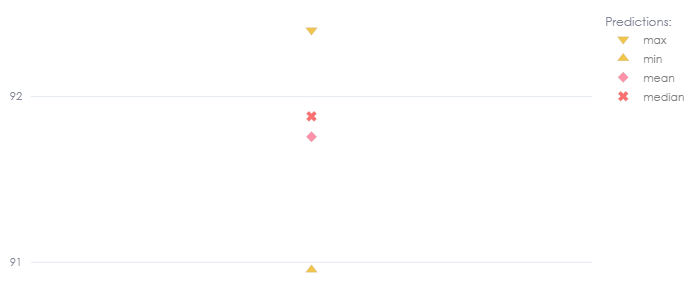
rating: 94.7
Louis Gaspard d’Estournel pioneered shipping his wines directly to British India and the Middle East, and a fascinating legend arose from this: barrels that returned unsold from the long sea voyage (‘retour des indes’) proved to have aged faster and developed smoother, more complex profiles, becoming highly prized collectors’ items. ‘Cos’ means ‘hill of pebbles’ in gascon dialect, referencing the estate’s distinctive gravel hill terroir, located just across a small stream from its famous Premier Cru neighbors, Château Lafite Rothschild and Château Mouton Rothschild. Despite sharing virtually the same gravel ridge as its legendary neighbors, Cos d’Estournel was ranked a Second Growth (Deuxième Cru) in 1855 and, because the classification has remained locked since Mouton Rothschild’s historic lone promotion in 1973, has never been officially elevated, earning its reputation as a quintessential “Super Second”.
 © The WineStatistics ratings are based solely on our own knowledge of the world of wine and on our personal wine tastes, which may, or may not, differ from yours – the reader. Just remember that there are no absolutes of right and wrong in wine appreciation. Cheers!
Make a one-time donation
Make a monthly donation
Make a yearly donation
Choose an amount
Or enter a custom amount
WineStatistics is a non-profit community. We produce independent and highly detailed wine reviews.
By training ourselves to stop, take a breath, and pay attention to the subtle elements that distinguish one wine from any other, we learn an important lesson about life – that it’s worth taking the time to slow down and appreciate things that pleases us, from a glass of wine to a great work of art. It’s a simple way to learn to appreciate the little things in life that may in some small way enhance our enjoyment of every day.
In order to continue our work we need support from people like you. People who appreciate our contribution in spreading wine knowledge and raising wine awareness across the borders.
You may now support us by contributing with a one-time donation so that we can review even more wines.
WineStatistics is a non-profit community. We produce independent and highly detailed wine reviews.
By training ourselves to stop, take a breath, and pay attention to the subtle elements that distinguish one wine from any other, we learn an important lesson about life – that it’s worth taking the time to slow down and appreciate things that pleases us, from a glass of wine to a great work of art. It’s a simple way to learn to appreciate the little things in life that may in some small way enhance our enjoyment of every day.
In order to continue our work we need support from people like you. People who appreciate our contribution in spreading wine knowledge and raising wine awareness across the borders.
You may now support us by contributing with a monthly donation so that we can review even more wines.
WineStatistics is a non-profit community. We produce independent and highly detailed wine reviews.
By training ourselves to stop, take a breath, and pay attention to the subtle elements that distinguish one wine from any other, we learn an important lesson about life – that it’s worth taking the time to slow down and appreciate things that pleases us, from a glass of wine to a great work of art. It’s a simple way to learn to appreciate the little things in life that may in some small way enhance our enjoyment of every day.
In order to continue our work we need support from people like you. People who appreciate our contribution in spreading wine knowledge and raising wine awareness across the borders.
You may now support us by contributing with a yearly donation so that we can review even more wines.
