DAVINO | Brumar | Dealu Mare – Ceptura | 2023
feteasca neagra | cabernet sauvignon | merlot
 © We will be evaluating wines in no particular order on no particular schedule. Just stay tuned and you will never miss our reviews. If the wine is tasted more than once, the rating table will be updated so as to reflect all the new impressions and observations. We hope you will enjoy it!

The story of Davino is one of pioneering spirit and a relentless pursuit of excellence within Romania’s esteemed Dealu Mare region. Since its inception, Davino has been committed to crafting wines that authentically express their unique terroir. This dedication to terroir-driven winemaking has led them to the strategic partnership with Athanasse Fakorelis – a world-renowned french wine consultant. Fakorelis introduced a revolutionary viticultural philosophy at Davino, fundamentally transforming all their agricultural and winemaking procedures. This partnership underpins Davino’s vision to produce wines of unparalleled quality with a local touch.
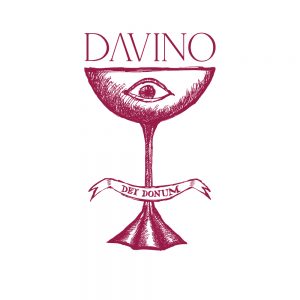 Today we are going to review a quite intriguing wine from Ceptura – a sub-region of the famous Dealu Mare wine region of Romania – Brumar Dealu Mare – Ceptura 2023 by Davino. This wine is a classic Dealu Mare blend, made of the region’s three main grape varieties: feteasca neagra, cabernet sauvignon and merlot, where feteasca neagra forms the wine’s main body and enriches the flavor profile with black fruit notes, cabernet sauvignon enhances the wine’s structure and depth, thus adding more overall complexity, whereas merlot is all about up-front richness and contributes to a more refined mid-palate and a velvety texture. The wine is vinified in a modern style, with moderate use of oak, where the emphasis is on varietal characteristics rather than power and nuance.
The grapes are cultivated across the diverse terroir of the Dealu Mare region, within the Ceptura sub-region, benefiting from a temperate continental climate that ripens them perfectly. The winemaking journey involved careful aging in used french oak barrels, a choice that respects the fruit’s integrity by imparting subtle, rather than overpowering, oak notes. This was followed by a period of bottle ageing, ensuring the wine had ample time to integrate and harmonize before its market release.

The Dealu Mare region, often dubbed the ‘Bordeaux of Romania‘, is a sprawling viticultural area renowned for its red wines, largely owing to its unique and highly favorable terroir. Its has a temperate continental climate, marked by cold winters and hot summers. Located in a hilly landscape, the Dealu Mare region’s varied altitudes and endless slopes foster excellent drainage and aeration necessary for vine health. The region benefits from a combination of geographical advantages that define its unique terroir. Its close proximity of the Carpathian Mountains moderates temperature extremes, allowing for a longer growing season, shielding vineyards from harsh cold currents, while simultaneously allowing warm, Mediterranean air masses to penetrate from the South and Southwest. Its terroir is characterized by limestone-rich soils and a favorable microclimate defined by warm sunny days and cool nights. The elevation aids in preserving natural acidity while allowing the grapes to ripen fully. These natural elements combine to create wines that allows for the full expression of each grape variety with vibrant and complex aromas. This remarkable heterogeneity in soil and consistent sun exposure across rolling hills ensures optimal ripening for the grapes and contributes to the distinct character of Dealu Mare wines, setting them apart from those grown in cooler climates or on less diverse geological foundations, where the same grape varieties yield lighter bodies, brighter acidity, or more austere tannic profiles in the resulting wines.
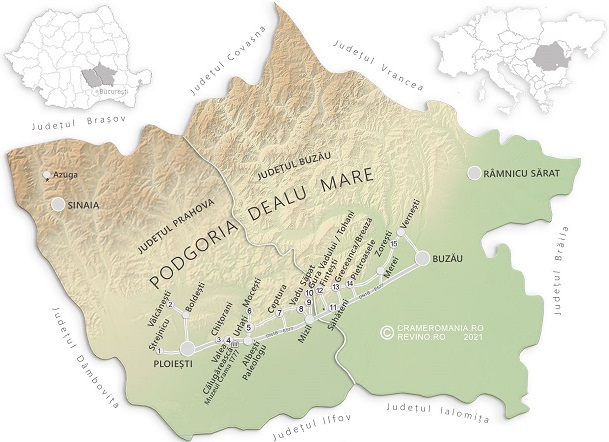 © Map credits: crameromania.ro

color: deep ruby color
clarity: hazy purple shades
In the glass, the wine displays a deep and noble ruby color that hints at its profound concentration. Towards the rim of the glass, hazy purple shades emerge, which is a tell-tale sign of the wine’s youthfulness.

intensity: rich & savory
fruit character: ripe
The olfactory journey begins with an expressive nose, characterized by a captivating richness and savory depth that might be considered atypical for some Dealu Mare wines. The foreground is dominated by earthy notes, reminiscent of pencil lead and black soil dust, intertwined with an array of ripe black fruits: dark cherry, black plum, and blackberry, further enriched by hints of blackcurrant and mulberry. As the aromas evolve, the background unveils more savory layers of old leather, brown olive, a hint of iron and iodine. These savory elements are beautifully complemented by subtle oaky nuances of sun-dried oakwood and tobacco, all uplifted by spicy layers of crushed peppercorn and anise, creating a compelling and multi-dimensional aromatic tapestry.

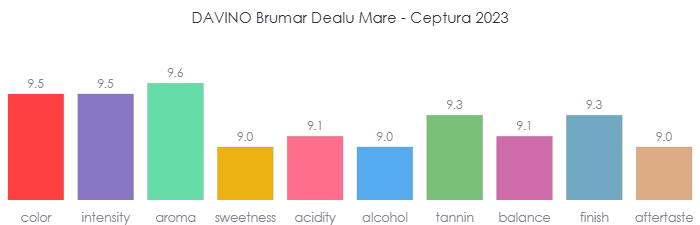
sweetness: dry | acidity: high | alcohol: high | tannin: high | balance: good
finish: medium+ | aftertaste: crisp & seedy
On the palate, the wine reveals itself as remarkably youthful, yet with an extracted and expressive fruity character. It offers a rich and seedy mouthfeel, a testament to its concentration and robust structure. The wine balances the richness of ripe fruit with delicate, savory-earthy undertones, creating a complex interplay that stimulates the senses. While the nose spoke of ripe fruit, the palate leans towards an overripe profile, contributing to a pleasantly seedy and crisp finish. This is a wine that exhibits a touch of sweetness and an exuberantly flamboyant nature, crafted to appeal to the masses. The palate is decidedly dry, yet invigorated by an exuberant acidity that provides remarkable freshness and lift. There’s a pronounced touch of alcoholic warmth, integrating seamlessly into the wine’s body. The tannins are seedy and firm, providing a fine, grippy texture. The harmony between these elements is nicely balanced, leading to a crispy-seedy aftertaste that leaves a lasting impression.

maturity: developing | drink now or within the next 2 to 3 years
verdict: fine | an excellent wine | a wine of premium quality with good potential
Overall, this is a fruity and rich wine blend, showcasing a firm, bold, and well structured mouthfeel. It is rich in texture, with a pronounced seediness that adds both character and grip, beautifully combining fruit nuances with delicate hints of terroir-driven complexity. What this wine currently lacks, perhaps, is a touch more finesse and elegance on the palate, as its youthfulness still leaves some edges feeling unpolished and intensely concentrated. The restrained use of oak ensures that the fruit and terroir expression remain unspoiled. This is a wine that is still developing and is currently too youthful to be fully appreciated, therefore, it is best cellared for at least another 2 to 3 years to allow its components to fully integrate and soften, revealing a more harmonious and refined profile.

Given its rich fruit and savory undertones, this wine is an ideal partner for rich and flavorful dishes. Consider pairing it with a classic Beef Tartare, where the richness of the raw beef will find a perfect counterpoint in the wine’s exuberant acidity and savory notes, creating a harmonious and refreshing experience. For a more classical option, pair it with Filet Mignon, seared to a blue-rare or rare finish and seasoned simply with cracked black pepper and a touch of sea salt. The wine’s firm tannins will beautifully cut through the tender richness of the steak, while its black fruit and earthy notes will resonate with the meaty savoriness. Noroc!
 DAVINO | Brumar | Dealu Mare – Ceptura | 2023
variety: feteasca neagra | cabernet sauvignon | merlot
country: Romania | Muntenia
region: Dealu Mare | Ceptura
rating: 92.4

Davino’s commitment to pushing boundaries is highlighted by their collaboration with Athanasse Fakorelis, who has fundamentally revolutionized their approach to winemaking. A key aspect of Fakorelis’s philosophy is the introduction of sustainable vineyard practices, such as row-greening with specific cover crops to foster deeper root systems, enhancing the vines’ resilience and ability to extract complex nutrients from the soil. They also employ lower vine-pruning methods, which naturally concentrate flavors in the grapes. Furthermore, their dedication to low-intervention winemaking techniques minimizes mechanical stress, chemical additions, and sulfur dioxide, allowing for a purer expression of the Dealu Mare terroir and the inherent quality of the grapes.
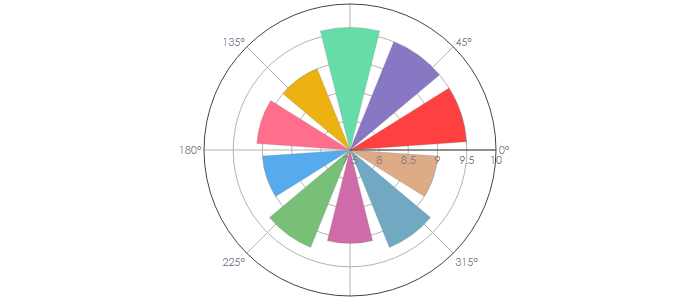

© The WineStatistics ratings are based solely on our own knowledge of the world of wine and on our personal wine tastes, which may, or may not, differ from yours – the reader. Just remember that there are no absolutes of right and wrong in wine appreciation. Cheers!
